Decades of typhoons and flooding in San Mateo have led two residents to see it as part of life—something they must survive over and over again.
EXPERIENCING TYPHOON Ondoy meant swimming against rushing waters that are “lampas tao” (above human height), watching a neighbor tie a casket to a mango tree, and returning to soggy furniture and a broken roof.
Among those who experienced these are Josie and Mabel*, who lived through more than fifteen years of experiencing typhoons in San Mateo, Rizal. After each year of receiving insufficient ayuda and passing by unfinished flood control projects, they have long accepted that they were both powerless against a corrupt government.
Memories of the storms
Josie, a 56-year-old housewife, resides in Barangay Malanday near the Marikina River with her husband and four kids. After surviving Typhoon Ondoy, which filled half of her first floor with river water, she has already redesigned her home’s sockets and light switches so they are now placed on the ceiling. In this way, she reduces her anxieties about their outlets being flooded once more.
“Naalala ko yung mga nangyari noon… yung mawawalan ka ng gamit. Tapos back to zero ka na naman. Buti na lang hindi tulad sa ibang lugar na may namamatay, (I remember what happened back then… when we lost our things. We were back to zero again. But we were fortunate that no one died in our area, unlike in other ones.)” she shares.
Living a few miles away from Josie is Mabel, a 59-year-old sari-sari store owner from Barangay Maly. With her devastating experience from Ondoy, preparedness comes in the form of constructing a second floor for her home.
“Wala na talaga kaming mapupuntahan [noon]. Umakyat na kami sa bubong namin, second floor. Buti kinaya nga ng bubong namin yung pitong pamilya, [lalo na’t] meron pa kaming apat na sanggol,” she says.
(We really couldn’t go anywhere [for safety]. We climbed up our roof to the second floor. We were fortunate that the roof was able to hold seven families, especially since four were babies.)
As Josie, Mabel, and their respective families have already been exposed to extreme vulnerabilities multiple times, the anticipation of flood waters reaching their waists is something they now feel numb to. For them, they consider themselves lucky if flooding reaches just that level instead of engulfing their entire home.
Along with this feeling of numbness, they have become sharper when responding to typhoons. The response is automatic: when hearing news about incoming typhoons, Josie and Mabel immediately bring their furniture upstairs with the help of their respective families. If they need to evacuate, Josie and her family climb uphill to the barangay center, while Mabel’s family follows a trail of broken concrete to a waiting shed.
Despite the repeated efforts to rebuild their homes for better survival, both Mabel and Josie accept a bitter reality that reveals itself once the dry season ends: while others find safety and comfort at home, theirs is the first place they must flee to survive heavy rain.
When the waters subside
After experiencing years of desperation to recover, Mabel says flood victims have been desensitized to a vicious cycle created by a government that neglects its duties.
She shares that rather than simmering in anger at the corruption, she chooses to hold on to the smallest bits of joy. For Mabel, this comes in the form of making jokes out of the experience while cleaning up their mudded homes with their neighbors. However, humor cannot entirely erase the struggles they have faced at the hands of the government.
Even when the flood subsides and Mabel’s family has made it to safety, they still need relief goods to curb their hunger. She shares that in their compound, they are often last to hear about relief goods being distributed by the local government. By the time they attempt to get some, the supply has already run out.
Josie also points out that the local government’s relief goods are not enough to live off after a storm, especially for families with no income. “Mahirap umasa sa LGU. Kung kaya, huwag nang umasa, (It is hard to rely on the LGU. If you can, do not depend on them),” she shares.
As such, even when they are just about to recover, her family already needs to continue working immediately to afford food and basic needs.
Given the lack of preventive measures and relief from the government, flood victims look for support wherever they can find it. For Mabel, she found this aid in a charity foundation she had volunteered for since 2012—the same community that helped her family when they were affected by habagat winds that same year.
Living with close family in their barangay, Josie has also found that she can turn to them for help whenever she needs. Past typhoons like Ondoy have shown that she can count on her husband’s side of the family when they need shelter or assistance in cleaning up their homes.
However, no matter how much their community helps them recover, it cannot stop the next flood from drowning them again.
Flood out of control
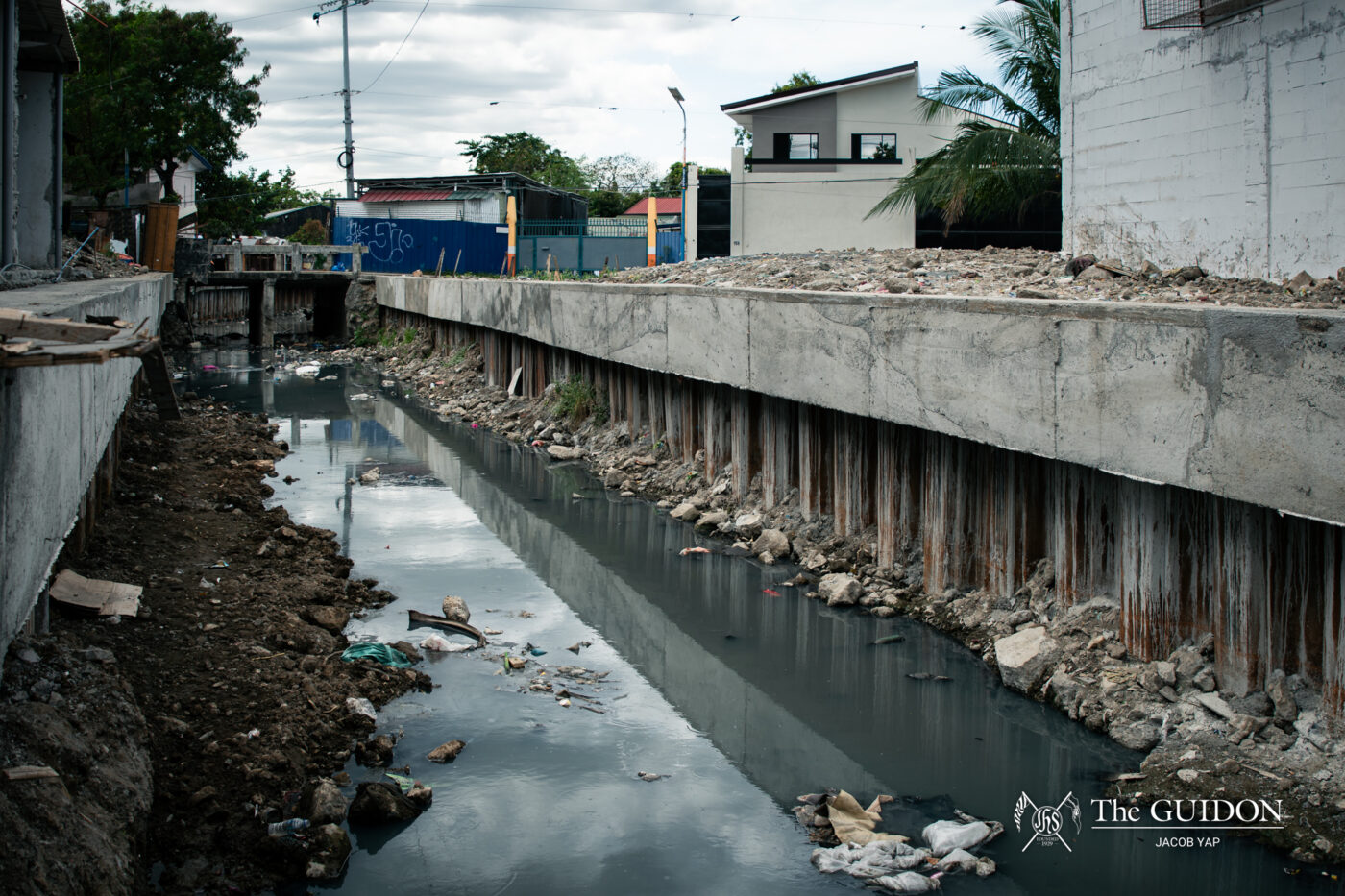
With both Josie and Mabel living in flood-prone areas of San Mateo, for them, flood control projects are crucial to their barangay’s survival. They share that their homes are always the first to flood once it rains, given that they reside in low areas near bodies of water and above what used to be a stream.
Though they once chalked this up to living in an inevitably flood-prone location, the corruption in ghost projects revealed a much deeper problem. Investigations found that Rizal was one of the top 20 provinces with the highest number of flood control projects.
“[Yung] budget [ng gobyerno], ang laki. Tapos walang nasimulang project. Kung meron man, palpak naman, (The government’s budget is very big, but they do not start any projects. Even if there are, they fail),” Josie expresses, adding how frustrated she is at the waste of taxpayers’ money.
Mabel feels the same anger, but in her case, it does not turn into anything more. At the end of the day, she does not believe any action can change a deeply broken and corrupt system that leeches even the smallest local governments.
Instead, she chooses to embody what the foundation she volunteers for has taught her: to be adaptable and self-sufficient. Ultimately, she believes that in the absence of effective flood-control projects, these lessons are all she can rely on when another storm arrives.
With no other choice but to continue fighting for survival, she expresses her anger at the completely different circumstances of corrupt officials. “Tayong mga mahihirap talagang nagpupursigi tayo. Tapos sila na mga mayayaman, may kaya na [pero] nakukulangan pa,” (We who are poor, we work really hard. Those who are rich have the means, yet they still want more.),” she exclaims.
As the cycle repeats itself with every rainy season, victims are forced into accepting a broken system where greed comes at the expense of their lives.
Exposing corrupt officials at the height of the issue might have opened up a small hope that they can be held accountable. However, almost a year after ghost projects first made the news, many involved still walk free, living lavish lifestyles that most people will not even come close to.
As the corruption in flood control projects gets buried by the government, the voices, dreams, and hopes of flood victims are once again forgotten and washed away.
*Editor’s note: The name of the interviewee has been changed to protect their identity and privacy.