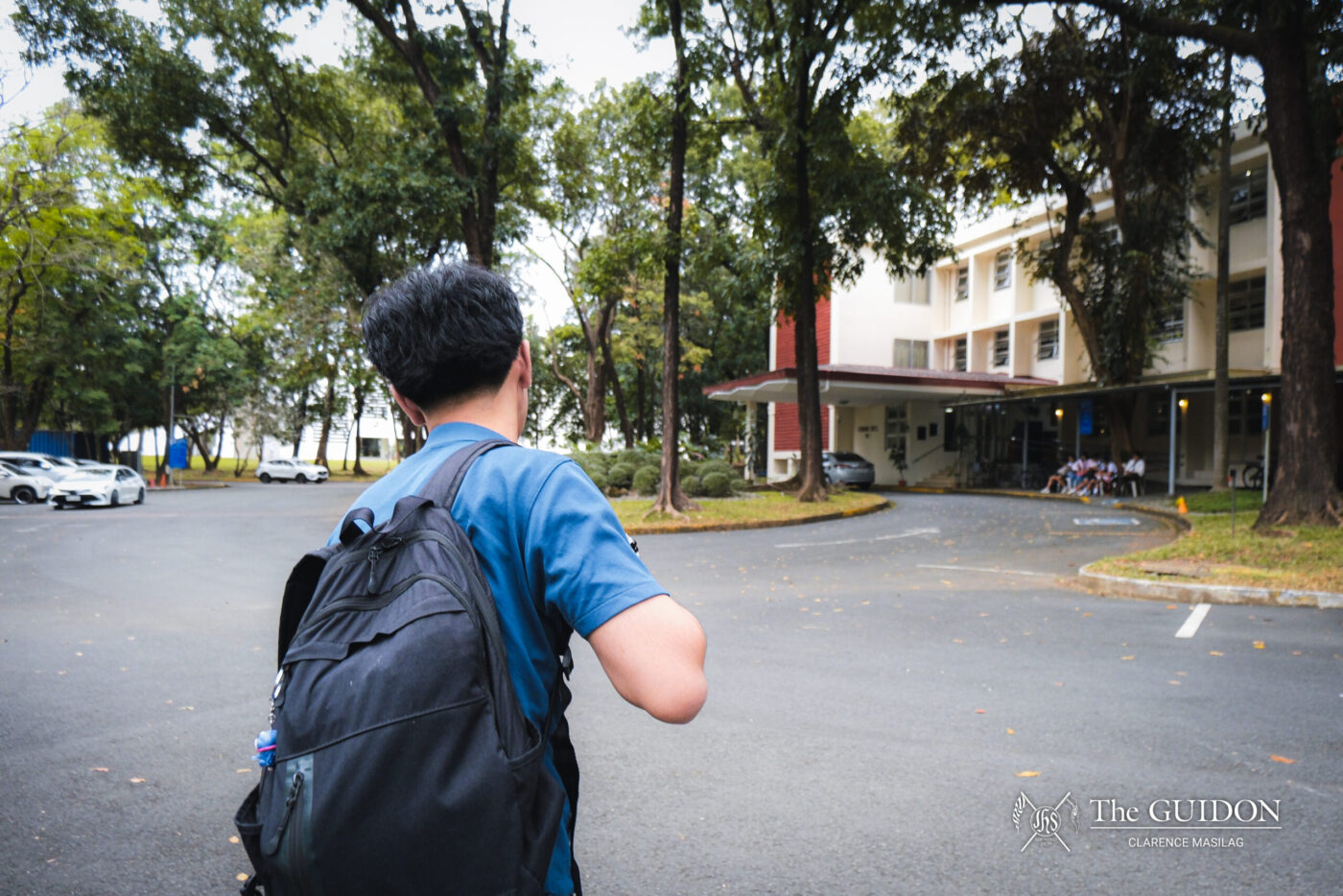
FOR MANY students, the University Residence Halls (URH) serve not only as accommodation, but also as homes where they can rest, study, and navigate their daily lives. Across seven halls with up to 1,300 students, these spaces are often marked by rushed mornings before class, errands before and after curfew, and sleep after late-night studying.
However, as renovations continue and new policies take effect, dormitory management proves to have significant implications for dormers’ well-being. As such, it is necessary to assess how the lives of URH residents are formed not only by the students who inhabit these spaces, but also by the governance structures that regulate them.
Work in progress
Since 2025, renovations began in staggered phases throughout the University Dormitory’s (UD) North and South Towers and Cervini Hall, focusing on improvements to dormitory facilities such as the URH Gym and the UD restrooms.
Keira* from UD South expresses relief hearing that the restroom on her floor is ready for use after a semester and a half of climbing stairs to use the restroom. Meanwhile, Ateneo Resident Students Association (ARSA) President Christian Ang observes that the Cervini façade looks cleaner after its repainting.
Despite visible improvements, however, concerns among dormers still persist. Keira points out that issues like unlockable cubicle doors and missing shower hooks remain unresolved after the renovation of the UD South ground floor restroom.
Similarly, Runi* from Eliazo Hall voices some concerns arising from the renovations. In particular, he notes that gym renovations were not announced until equipment was removed, causing many dormers to resort to off-campus gyms instead.
As renovations continue, Keira believes that the presence of construction workers affects her sense of privacy and comfort, especially in the all-girls dormitory.
URH Director Giancarlo Tuazon has since acknowledged these disruptions, stating that construction only runs from 9:00 AM to 5:00 PM. Ang also confirms that renovations will be reduced during midterms and finals seasons for a more conducive studying environment.
For Ang, he believes that ultimately, the dormer community is hopeful for a “better living space” post-renovation. Still, Runi insists that there is still room for improvement, particularly in implementing policies that account for dormer concerns.
Standardized systems
From the URH administration’s end, the new practices and approaches to dormitory governance are framed to be “mission-driven” and “consultative” based on an email correspondence with The GUIDON. Tuazon aims to balance the resident needs and University objectives through “standardizing” dormitory policies.
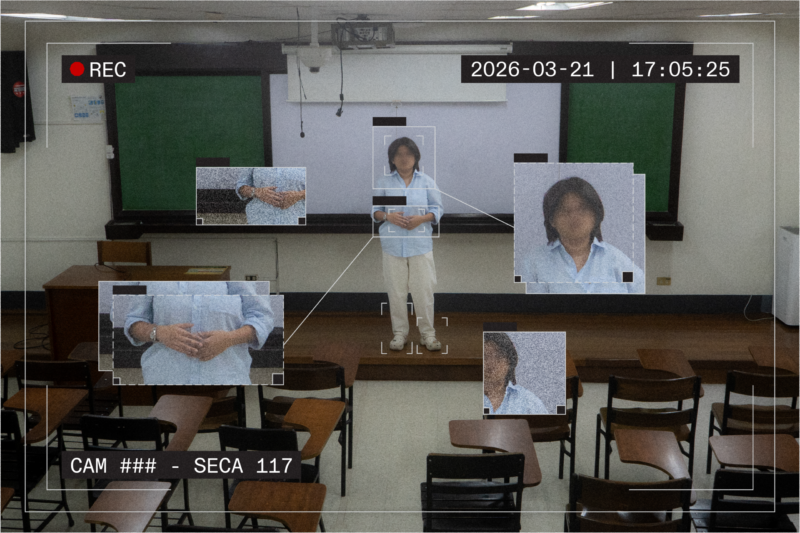
With the URH moving toward modernization, Tuazon mentions plans to install more security enhancements in the coming academic year. These additional layers of monitoring reflect the broader push toward stricter and more uniform implementation of policies and control within dormitory spaces.
At the end of the day, Tuazon stresses that behind every change or addition in regulations and policies lies an intent to create livable spaces that support students’ development. However, the intent of this standardization may not always align with the actual experiences of dormers.
For instance, as of October 2025, dormers must secure forms indicating their planned time of entry and exit during curfew hours. The forms must be signed in advance by the URH Office, with copies furnished to the office and the guard on duty upon exit.
Tuazon clarifies that these forms replace the “inconsistent” manual logbook system and streamline documentation efforts. However, Runi remarks that the new curfew form system can be a hurdle when there are spontaneous plans or emergencies.
“The hassle is when it’s spontaneous—like a sudden plan or an emergency where you need to leave. If you don’t have a form, you can’t go out past 12:00 AM, and it’s hard because forms are usually processed during office hours,” he describes.
For Ang, policies like these reflect a shift, especially since they are “more robust” compared to years immediately following the pandemic, with more rules being implemented compared to the past years.
However, Keira recounts inconsistencies in its enforcement. While the curfew forms stand as one initiative to standardize policies, she explains that some Resident Advisers defer responsibility for signing the form, while others agree to sign it on behalf of the URH administration. She believes that these lapses between formal procedure and lived practices make the system feel both “confusing” and “restrictive.”
Ang also recognizes that while the URH administration is proactive in updating its residents on expected changes in dormitory life, consultations tend to occur only after changes have already been presented, with dormers simply being informed of the updates through announcements.
Because of this, both Keira and Runi hope for more regular consultations or check-ins with the dormers before policies are implemented, in order to gauge the impact of the intended adjustments to dormer welfare.
At the center of these dormitory concerns is the larger question about the type of governance the URH practices—whether increased standardization strengthens student well-being or narrows the flexibility needed in living spaces.
Under the same roof
While dormers are aware that these changes in policies and infrastructure are being made for the development of the students’ living spaces, oversights persist in comfort, efficiency, and autonomy, as echoed by Keira and Runi.
These gaps underscore the need to foster and improve welfare for student dormers. As Keira explains, “[administrators] should be more attentive to how policy changes and facility renovations directly impact our daily lives as students.”
In navigating these shifts, ARSA makes use of forms such as Facilities Report, Escalation, and Enquiry forms and Dormer’s Online Grievance and Suggestions forms to relay dormer concerns.
Ang also appreciates that the administration initiated open forums prior to the full implementation of the new curfew form, which he welcomes as a “good recent development” on the URH administration’s end.
He further highlights the importance of mid-semester town halls where the URH administration directly engages in dialogue with dormers. However, he suggests that more frequent, informal conversations may help break down barriers for dormers to comfortably share their concerns directly with the URH administration.
Ang also admits that ARSA is still restricted to a reactive role, managing the effects of discrepancies rather than being involved in the actual solution. In consideration of this, Tuazon also reflects on the current needs of the URH governance.
“We have learned the importance of clear communication, transparency, sensitivity of lived spaces, and early engagements and consultations with our stakeholders,” he shares. Moreover, he assures that the URH will continue to be guided by these principles and goals aimed towards dormer welfare.
Ultimately, the development of policies and renovations should not come at the expense of the welfare of the students they are meant to serve. To recognize that dormitories are more than accommodation, governance must treat them more as lived spaces—shaped not merely by regulative policy, but by the personal, daily lives of the students that reside within them.
*Editor’s Note: The names of the interviewees have been changed to protect their identity and privacy.