SEEKING TO protect neglected marine ecosystems beyond national territories, the Global Guardians of the Sea and Earth Allies (SEA) urged the Philippine government to propose the South China Sea—part of the Asian High Seas—as an Asia Marine Peace Park on April 22.
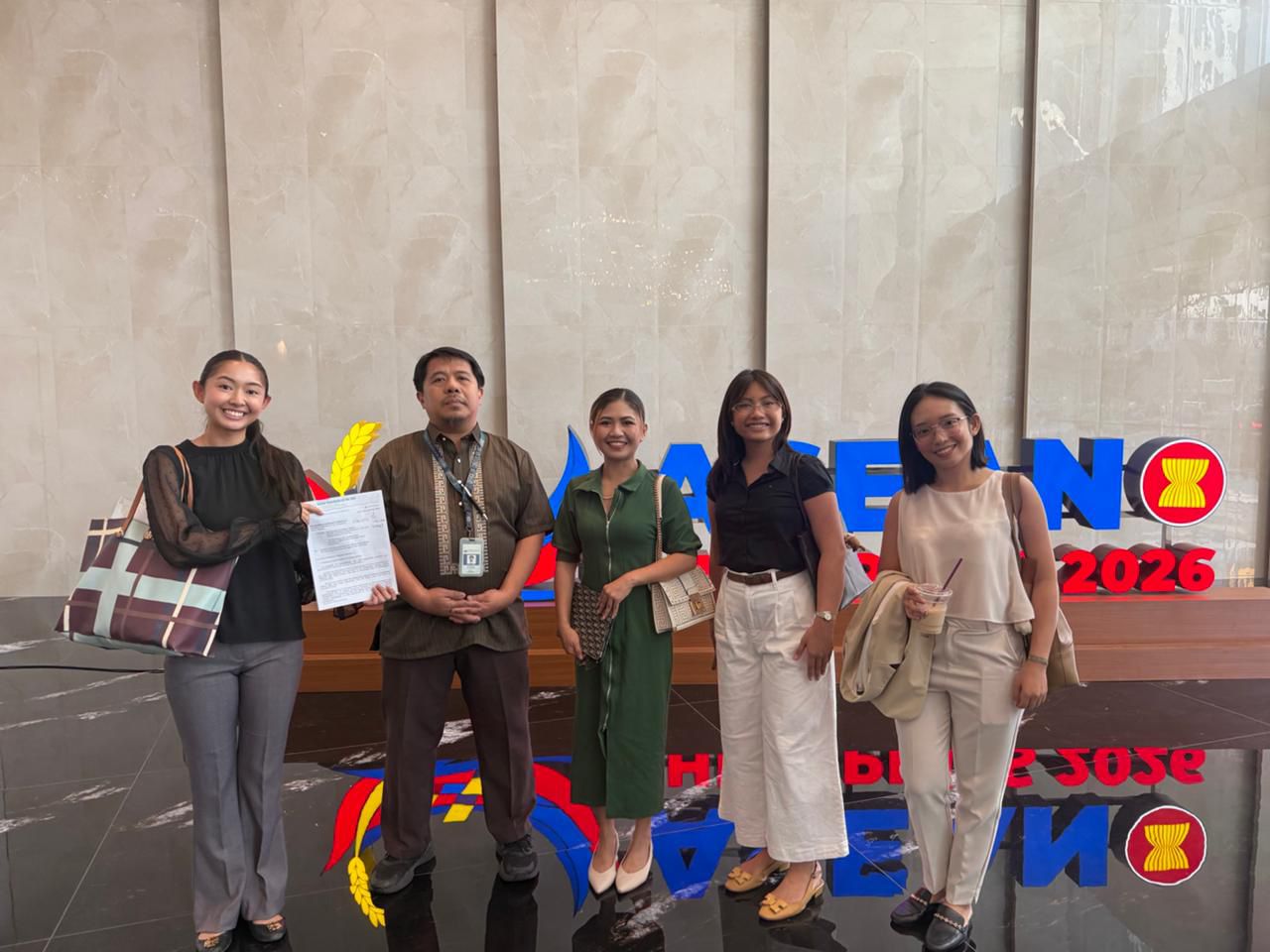
Their petition to “Establish Marine Reservations for Future Generations Throughout the High Seas” was simultaneously filed with the Philippine Mission to the United Nations (UN) in New York and the Department of Foreign Affairs in the City of Manila.
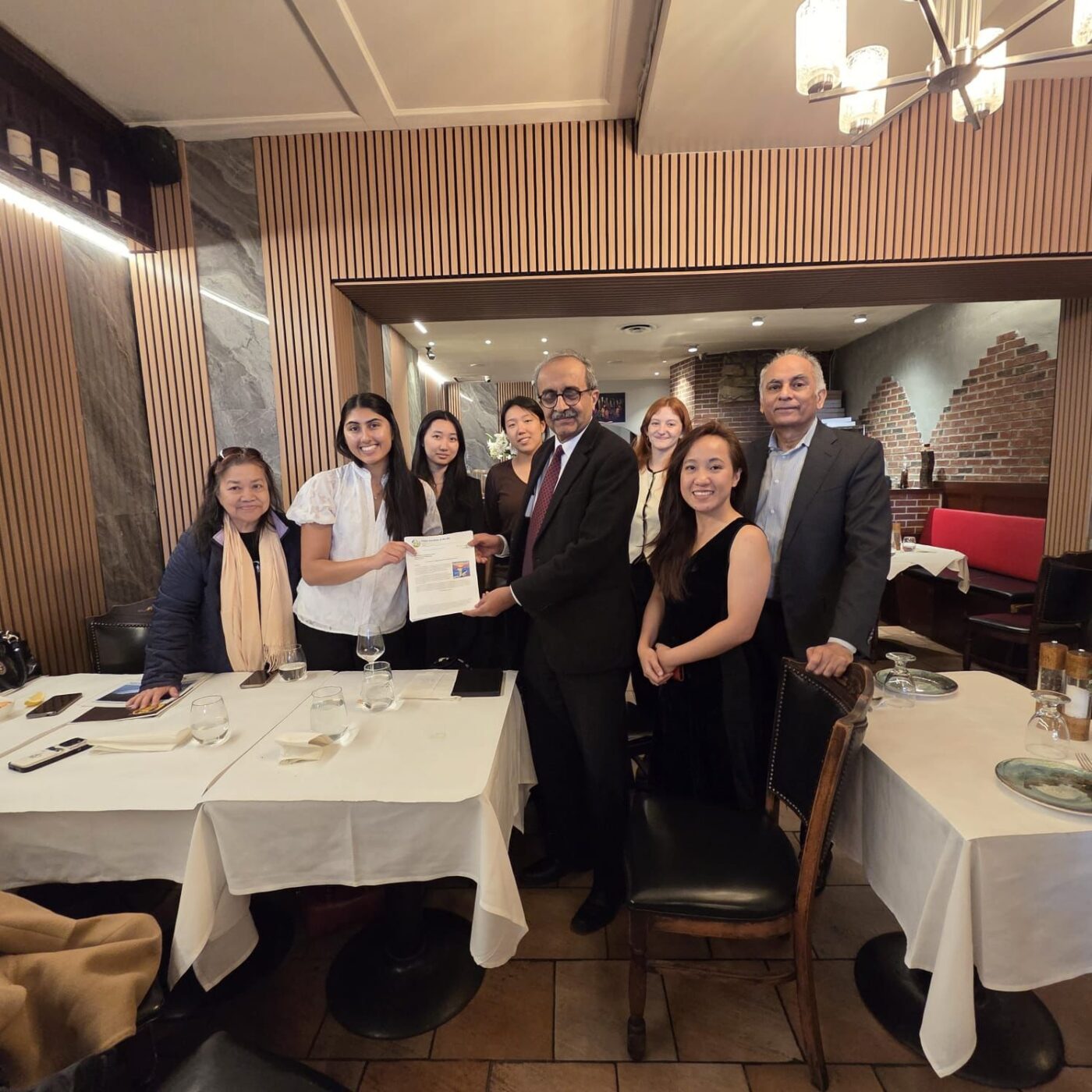
Currently with 325 signatories, the petition demonstrates the growing movement of youth, marine scientists, legal experts, fisherfolk communities, and concerned citizens in protecting international waters, which provide livelihood and play pivotal roles in combating climate change for future generations.
Protecting the high seas
Situated in the Asia High Seas, the Coral Triangle, which spans the Philippines and neighboring countries, hosts 76% of all known coral species. These biodiversity hotspots are critical spawning grounds for tuna and sardines that support Southeast Asian livelihoods, and also serve as migration routes for endangered megafauna.
Moreover, the petition calls on the Philippine government to fulfill its role as a state party to the UN Convention on the Law of the Sea (UNCLOS) and to the Conservation and Sustainable Use of Marine Biological Diversity of Areas Beyond National Jurisdiction (BBNJ) Treaty.
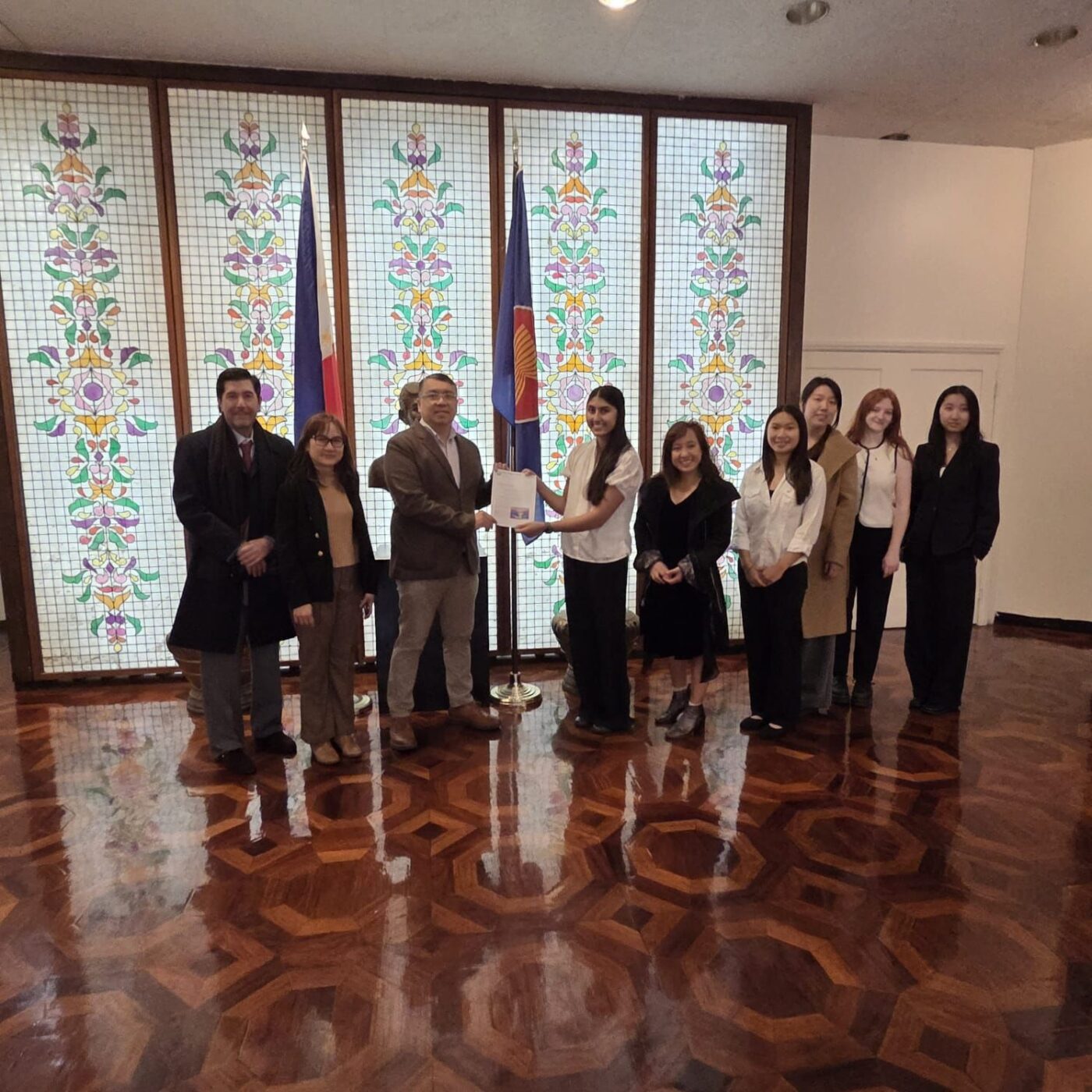
Explaining the importance of Philippine-led support, co-petitioner Alexa Derpo (AB Dip IR ‘24) emphasized that the country’s blue economy, filled with numerous island communities, is crucial to marine reservations.
In particular, the Global Guardians of the SEA calls to establish marine reservations as a national policy by designating the South China Sea as a Marine Protected Area (MPA) under the BBNJ Treaty.
As an MPA, the high seas will be evaluated through biodiversity assessments, legal analysis, stakeholder consultations, and management frameworks. In doing so, food security and market prices would be stabilized through the treaty provisions on area-based protection measures, possibly improving fish stocks that move into the Philippine waters from the high seas.
This progress would be sustained by capacity-building and technology transfer to improve marine scientific research in areas beyond national jurisdiction (ABNJ).
Moreover, the petition hinges on the history of peace parks established across international boundaries, having proven to promote regional cooperation, de-escalate tension, and protect biodiversity amid environmental changes.
From ownership to stewardship
The BBNJ treaty and the petition also seek to improve cooperative high seas protection from fragmented and reactive governance of regional bodies. The limited coordination between institutions results in compounding environmental threats to the high seas faster than the governance systems’ response.
With the lack of protection in shared waters, Derpo shared that the petition also responds to the rising cases of unregulated fishing, pollution, and deep-sea mining that continue to threaten the oceans.
Global Guardians of the SEA co-founder and co-petitioner Thea Laurel (BS LM ‘25) further described how marine threats affect livelihood, food security, and life underwater, emphasizing that the experiences of coastal communities must translate into informed policies by mobilizing non-government organizations and civic societies.
Responding to the exploitative ocean use, Derpo called on the national government to move away from territorial ownership, urging, “You don’t have to own [the waters] to protect it. [We must] shift [from] not about who owns it, but [to] ‘how do we protect it’.”
As maritime boundaries complicate access to marine resources, the petition further supports that regional and international cooperation through the peace park and the BBNJ Treaty would safeguard critical ecosystems and endangered species of the high seas.
In the long run, both Derpo and Laurel envision integrating marine reservations in institutional sustainability frameworks, patterned on how the UN encourages public policies and corporations to live by the principles of the Sustainable Development Goals (SDGs).
Shaping youth movement
As a youth-led initiative, the petition shows what Laurel recognizes as proactive empowerment that shapes environmental discussions. Facing exacerbated ecological challenges, the youth’s pro-environmental behavior is driven by their personal narratives and values.
For Laurel, her motivation to push for environmental sustainability is rooted in her experience of the 2009 Ondoy flooding, which informed her that disasters are not natural, but rather stem from human and industrial activities.
Despite being environmentally aware, she explained that young advocates often overlook their capabilities to push for change due to limited experience, discourse involvement, and mentorship. She asserted how youth are crucial in moving and holding institutions accountable, citing how the Pacific students’ movement prompted the UN to urge national climate change responses.
While youth involvement is crucial in institutional planning, there arises the need to scrutinize the authenticity of their inclusion. Instead of being reduced to performative branding, Derpo asserts that the youth deserve more than just a seat [at] the table, highlighting how their insights must be genuinely integrated into development projects as well as national and foreign policy decisions.
Derpo further recognized that civic societies are crucial in overcoming delayed government responses and amplifying the unseen lived realities, stating, “The end goal is for the civic pressure to come from coastal communities.”
From paper to practice
Despite the petition’s push for a Philippine government-led environmental sustainability initiative in the region, its primary apprehension, according to Derpo and Laurel, lies in the risk of one-sided enforcement.
In July 2016, the Permanent Court of Arbitration (PCA) ruled that China’s nine-dash line concerning the South China Sea has no legal basis under the UNCLOS. However, China remains assertive, launching a series of aggressive and dangerous actions towards Philippine vessels and local fisherfolk in the West Philippine Sea, even to the present.
Additionally, other countries like Malaysia and Taiwan also claim a portion and the entirety of the Kalayaan Island Group, respectively, which the Philippines also asserts ownership of.
Given these overlapping claims, Derpo recognized the unavoidable tension within the same region that the petition seeks to unite. Nevertheless, she emphasized the need to set priorities for environmental protection.
For Derpo and Laurel, the movement does not stop with the actual filing of the petition. Instead, it needs to be continued through persistent monitoring by various organizations and civic societies.
Furthering the petition’s youth stewardship, Laurel seeks for the organization to inspire other universities and organizations, both in the country and in our Southeast Asian neighbors, to conduct their own marine reservation efforts.