OFF-GRID AREAS in the Philippines have been grappling with long-standing energy insecurity brought about by unreliable electrification since the 1990s energy crisis.
As geographical isolation and implementation costs make connection to the main grid impractical, far-flung areas rely on autonomous electricity generation, primarily through diesel generators.
Grid-locked electricity
Diesel generators are commonly used to power the Small Power Utilities Group (SPUG) by the National Power Corporation (NPC). Under the Missionary Electrification Mandate, the agency provides electricity for over 1.2 million off-grid households through SPUGs.
In SPUG areas such as Calapan, Oriental Mindoro, the growing electricity demand has exceeded power generation capacity. Consequently, locals experience rotational outages due to load shedding, which successively cuts the electrical supply to prevent total grid failure.
Calapan resident Janieka Gan (3 BS LfSci) shared that the frequent brownouts in their locality can last from eight to 72 hours during calamities, and up to one to two hours daily during the dry season. Outside those periods, she noted that outages are less frequent, but can extend to four to five hours due to maintenance and repairs.
“[Outages] just affect everything in our daily life, where no one can really function. It’s also a waste of livelihood and money. Because for [my family], our work revolves around [electricity],” she shared.
To address frequent power interruptions, NPC Power Engineering Services Vice President Manuel Luis B. Plofino, JD, disclosed that they built fuel storage stocks in case of delayed fuel deliveries.
However, he explained that unlike the main grids in Luzon, Visayas, and Mindanao, off-grid power plants lack back-up generators, adding that outages force the use of aging generator sets (gensets) that are largely inefficient and fuel-intensive.
Explaining genset performance, power systems expert Alex* shared that diesel generators are not energy-efficient, often operating at 30% to 40% thermal efficiency. As diesel generators convert from chemical to mechanical energy, the fuel’s energy is lost as heat. Compared to gasoline engines with a maximum thermal efficiency at 30%, diesel generators operate with less heat wasted.
Priced transmission
Off-grid areas remain reliant on diesel for power generation—an issue reflected on a national level as the Philippines imports 73.3% of its diesel requirements. With the recent closure of the Strait of Hormuz stalling 98% of the nation’s crude oil, the ongoing oil crisis has escalated to a national energy emergency declared in March.
Historically, the 2022 fuel crisis following the Russia-Ukraine conflict exposed the country’s vulnerability to global energy market fluctuations. To sustain off-grid operations, Atty. Plofino expounded that rising diesel prices in mid-2022 had exhausted fuel procurement funds, forcing the NPC to seek alternative financing and loans.
As such, the country remains vulnerable to turbulent international affairs, which translates into increased electricity and living costs. Oil price surges have also raised the risks of prolonged outages and energy insecurity, particularly in remote areas.
Amid the fuel price hike, Atty. Plofino explained that their established budget yields much less fuel than projected, resulting in increased electrification operating costs. Based on NPC’s projections, their current budget for procuring diesel for off-grid operations lasts only until September.
Notably, NPC President Jericho Nograles pointed out that missionary areas’ diesel generators burn much more fuel than their main grid counterparts, as they consume one million liters of diesel daily.
However, the extensive costs are reflected in both off-grid and main-grid areas, as missionary electrification is funded by the Subsidized-Approved Generation Rate (SAGR) and Universal Charge on Missionary Electrification (UCME). The UCME subsidizes a portion of off-grid electricity costs, so residents are only required to pay the SAGR.
Spaces for renewable energy
Despite fuel usage vulnerabilities, off-grid areas continue to rely on diesel generators as renewable energy (RE) alternatives remain intermittent and storage is limited.
Alex emphasized that geography and resources limit RE accessibility. He added that solar energy and hydropower are more developed due to availability, while geothermal energy and liquefied natural gas are more complex to harness due to site-specificity and equipment availability, respectively.
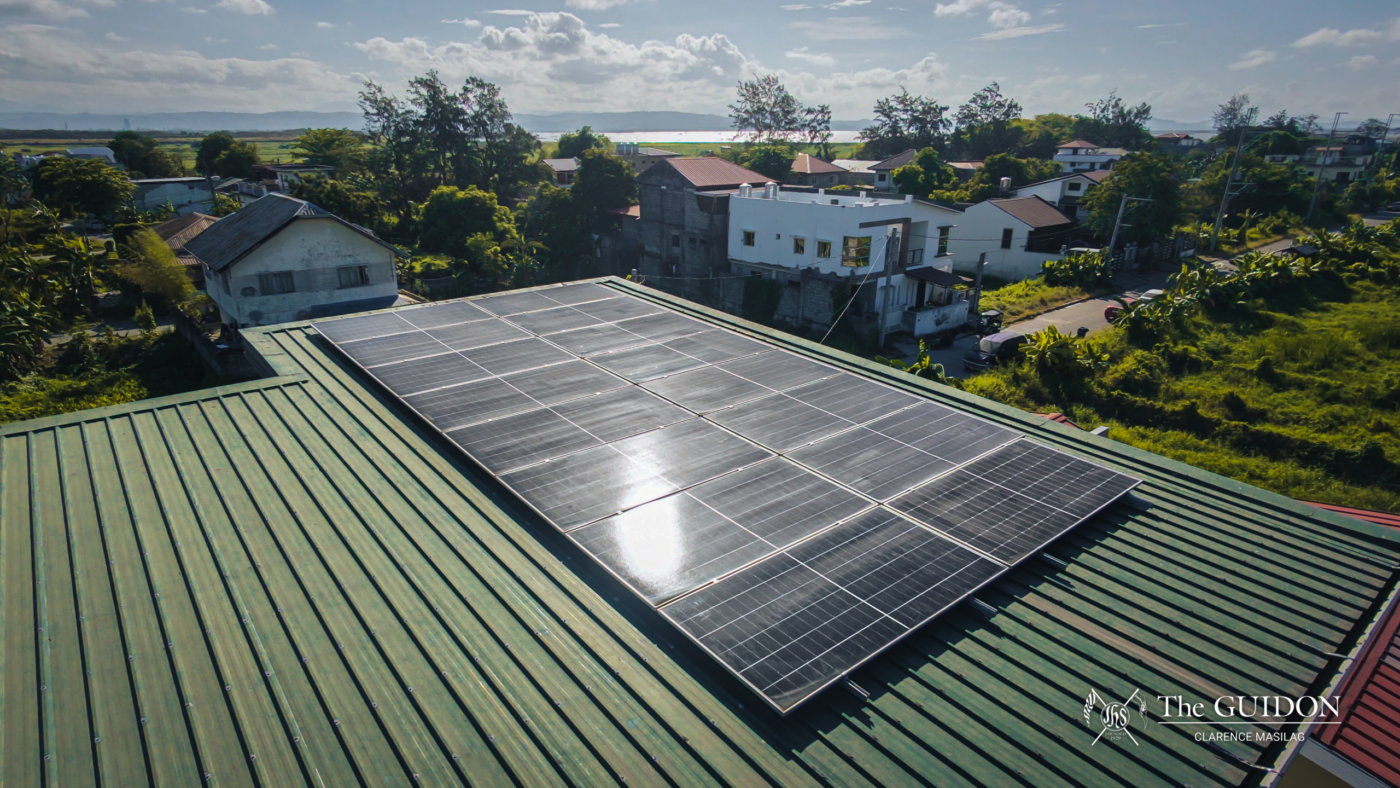
For remote areas, Atty. Plofino explained that the NPC currently implements hybrid power generation with diesel and solar components, which harnesses daytime solar energy and uses the diesel generator at night.
In an island-province and a protected area like Batanes, he cited that hybrid systems face challenges with limited land availability. Amid land disputes with the indigenous people and environmental concerns, he affirmed that NPC is exploring the viability of employing solar energy systems within existing infrastructure.
Coupled with hybrid developments, he shared that the lack of experts and upgraded equipment is a challenge to maintain hybrid and diesel power plants. Consequently, Alex traced the issue to hybrid system inverters that convert direct current (DC) to alternating current (AC).
While diesel generators usually supply electricity through readily usable and voltage-flexible AC, RE generators, such as photovoltaic systems, utilize DC for charging batteries needed to sustain electrification.
Moreover, the hybrid systems’ reliance on solar energy introduces climate-related vulnerabilities. While the dry season offers advantages for solar energy use, lower sunlight intensity significantly reduces power output amid the rainy season.
Despite these issues, Atty. Plofino stressed that the hybrid systems remain viable alternatives to diesel generators. He explained that a complete shift to RE is unlikely since diesel acts as a crucial backup for solar energy in off-grid areas lacking backup generators.
“It’s one thing to provide electricity. It’s another thing to provide reliable electricity,” he asserted.
While diesel generators have known detrimental environmental effects, Nograles claimed that NPC’s operations are carbon negative. As of November 2025, NPC’s diesel power plants emit 477,000 metric tons of carbon annually. The agency’s watershed systems offset 32.2 million metric tons of carbon dioxide emissions annually by sequestering it via photosynthesis and storing it in soil and biomass.
However, household RE adoption still faces systemic and financial issues. Gan pointed out that despite the local residents’ growing interest, the investment required to convert to RE sources poses a significant challenge.
Notably, a 5kW residential solar panel system can cost up to Php 350,000, excluding additional fees for inverters, batteries, and panel installation. Moreover, extensive regulation and limited incentives discourage many households from transitioning to RE and further prevent widespread solar power integration.
As off-grid areas continue to rely on diesel power plants, electricity remains a persistent source of uncertainty. Ultimately, electrification must move toward a more equitable system that values long-term resilience, harnesses local resources, and prioritizes marginalized communities.
Editor’s Note: The name of the interviewee has been changed to protect their identity and privacy.