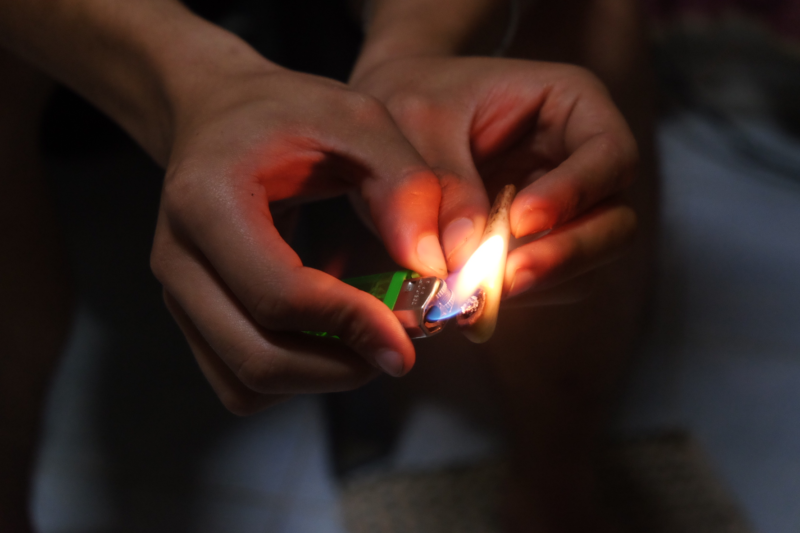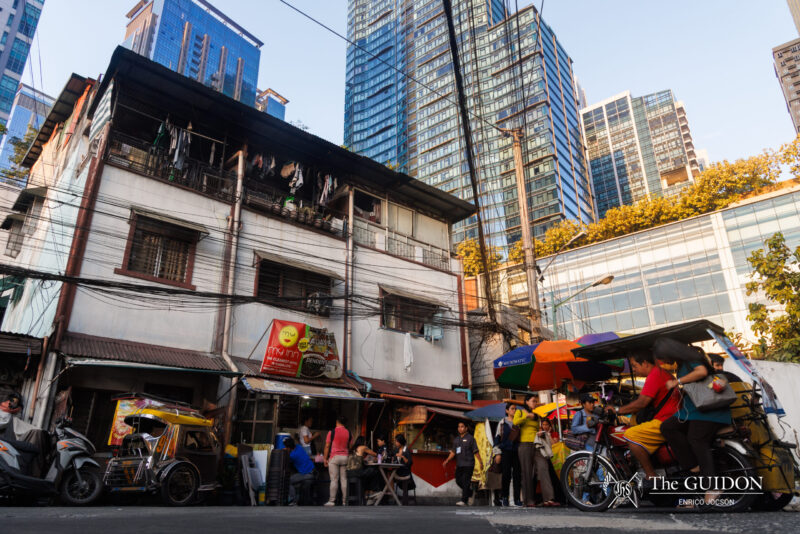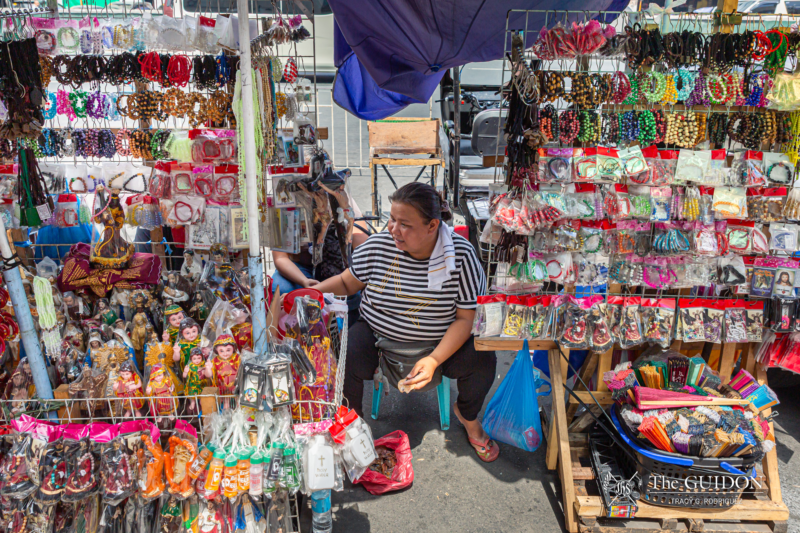
In the claws of a system that hunts them indiscriminately, two gamblers fall prey to the glare of screens, their small wagers swelling into desperate life-saving bids.
HOPE MEANT winning Php 10,000 when a breadwinner was paying for his partner’s hospital bills. It was a breath of air, reminding him that even as he sank under expenses, somehow, he would still live to walk the unforgiving streets of Metro Manila.
In a society where working odd jobs was unlikely to provide enough money for those conditions, it was tempting—if not logical—to risk a small amount of money for the chance of having it multiplied threefold.
Despite its ties to suicide and murder, e-gambling persists in the Philippines, with government-operated casinos and life-size billboards of famous Filipino celebrities promoting it.
However, for Noy* and Migs*, an end has already been delivered—changes in their lives brought by gambling that can no longer be undone.
Beginners’ luck
Noy, the youngest of five siblings, was a 22-year-old part-time waiter when he wanted to help his loved ones, as his two siblings were struggling with drug addiction. On his way home from work, he encountered a friend, a penoy vendor, who showed his winnings from an E-Sabong match.
When Noy first started gambling, only Php 500 from his savings was left to the mercy of the red “meron” and blue “wala” buttons of E-Sabong. Believing that he might win and help pay his girlfriend’s medical bills, he played more rounds, few enough not to make him feel ensnared.
Similarly, e-gambling was a harmless invitation for Migs, an Atenean who started when he was 20. To him, betting on National Basketball Association (NBA) games and League of Legends matches was fun, but earning Php 20,000 to 50,000 made it even more exciting.
Except, gambling is a patient hunter. Noy won more or less Php 10,000 in his first rounds of gambling, which helped him raise the Php 350,000 he needed as a breadwinner. Over time, the flickering hope turned into a habit, even after his girlfriend was discharged from the hospital.
The initial promise of easy money had blinded him, chaining him to millions of debt. He was glued to the phone, betting on roosters until it morphed into anything he could imagine: a round of poker, a basketball game, and an e-sports match.
Noy sold everything of value to continue gambling, from his personal belongings to a car plan from his sales job. He became irritable and destructive, leading to loss of contact with his family and girlfriend, who felt he was no longer the man they loved and trusted.
Looking back, he reflects, “Parang gulong lang. Minsan nasa baba ka, minsan nasa taas. Pero sa dulo ng daan, talo ka pa rin.” (It’s like a tire. Sometimes you’re at the bottom, sometimes you’re on top. But at the end of the road, you still lose).
Meanwhile, for Migs, it was emotionally draining to research the odds of NBA and Esports teams just to win his bets. What began as an enjoyable pastime turned into something that left him unlike himself, costing him semestral honors he used to achieve.
Despite coming from different socioeconomic classes, both gamblers restlessly chased the same emotional high of a win, leaving a college student feeling tethered to an unproductive version of himself and a man who tried to help his girlfriend, drowning in millions of debt at 27.
When the chips are down
Up to this day, gambling is still legal in various forms. Recently, President Ferdinand Marcos Jr. defended the exclusion of addressing online gambling in his State of the Nation Address by stating that a resolution like regulation is premature, as he is in talks with stakeholders about its effects on the younger demographic.
While several lawmakers discuss restricting or banning both legal and illegal online gambling platforms, operators have begun moving to encrypted messaging and e-commerce applications in search of a new audience to hound.
For gamblers like Migs, who claim they only gamble what they are comfortable losing, regulations can be enough to prevent them from believing that gambling could improve their finances. “I think one of the biggest faults [of online gambling promoters] is how it’s marketed as a get-rich-quick scam scheme,” he says.
Nonetheless, for Migs, gamblers must remain mindful of their own money and agency. Hence, they should be fully informed and held accountable for the risks and consequences of how much and how often they gamble.
Despite this, he believes that systemic change may not be fulfilled with shareholders and an economy that greatly profits from the Philippine gambling industry.
In contrast, Noy advocates for a ban, believing that there is no way to truly gamble responsibly. From his experience, setting limits only creates the illusion of control, as repeated gambling can still lead to addiction regardless of whether you have the means or not.
As many turn to suicide and self-harm to escape their debts, Noy, who has been diagnosed with Post-Traumatic Stress Disorder (PTSD), emphasizes the psychological dissonance financial trauma can cause. “Nang dahil sa pagsusugal nagiging makasarili ka dahil sa pansarili mong emotion, nakakalimutan mong may taong nagmamahal sayo, at [nakakaligtaan mong mahalin ang sarili mo],” he says.
(Because of gambling, you become selfish because of your own emotions, forget that there is someone who loves you, and overlook loving yourself.)
Despite the known human cost of gambling and the government’s attempts at checks and balances, the industry continues to hold its footing. The question of whether the industry’s profits outweigh the hard need for mitigation remains unanswered.
Winner takes it all
During the off-season for many sports betting games, the appetite of Migs for risk slowly wanes as he gains greater recognition of the toll it once took on his mental health and identity. “[My plan] is just to be more mindful of how it affects me. I don’t want to go back to how I was before,” he shares. For Migs, as long as he doesn’t lose beyond what’s comfortable, he has no reason to stop.
Meanwhile, Noy struggles to look past a future without his debts from credit cards, lending apps, and loan sharks. “Kung tatanungin mo future ko, ‘yun na yon: magbayad ng utang (If you ask [about] my future—that’s my future) in the next five years, 10 years,” he says.
As the billboards and public debates cast a shadow over their futures, Migs retreats to gambling in the privacy of his condo, where he continues to gamble in silence and in secret.
Noy, on the other hand, has begun to search for light, grounding his future in recovery even as he carries the weight of his debts. His journey, however, is one he does not face alone, as he draws strength from the forgiveness of his family and from his co-members in a gambling recovery group.
Though they were stacked against different odds in life, Noy and Migs both found themselves preyed on by the design of an interface meant to break anyone who dared to gain something greater. Their losses converge in the same hope for genuine self-growth as gambling sites and their operators continue to reap the winnings of Filipinos like them who want to make a change for themselves.
Their future now rests on a government willing to set aside personal and economic interests to protect the vulnerable who see gambling as a way out of financial problems.
As they wait for a reality that is not assured, the two gamblers are offered a choice every time the sun rises: to reinvent the hope that keeps them living. Much like the costs of uncertainty within gambling’s den, the only prize that Filipinos can truly claim for themselves is their hope.
*Editor’s Note: The name of the interviewee has been changed to protect their identity and privacy.