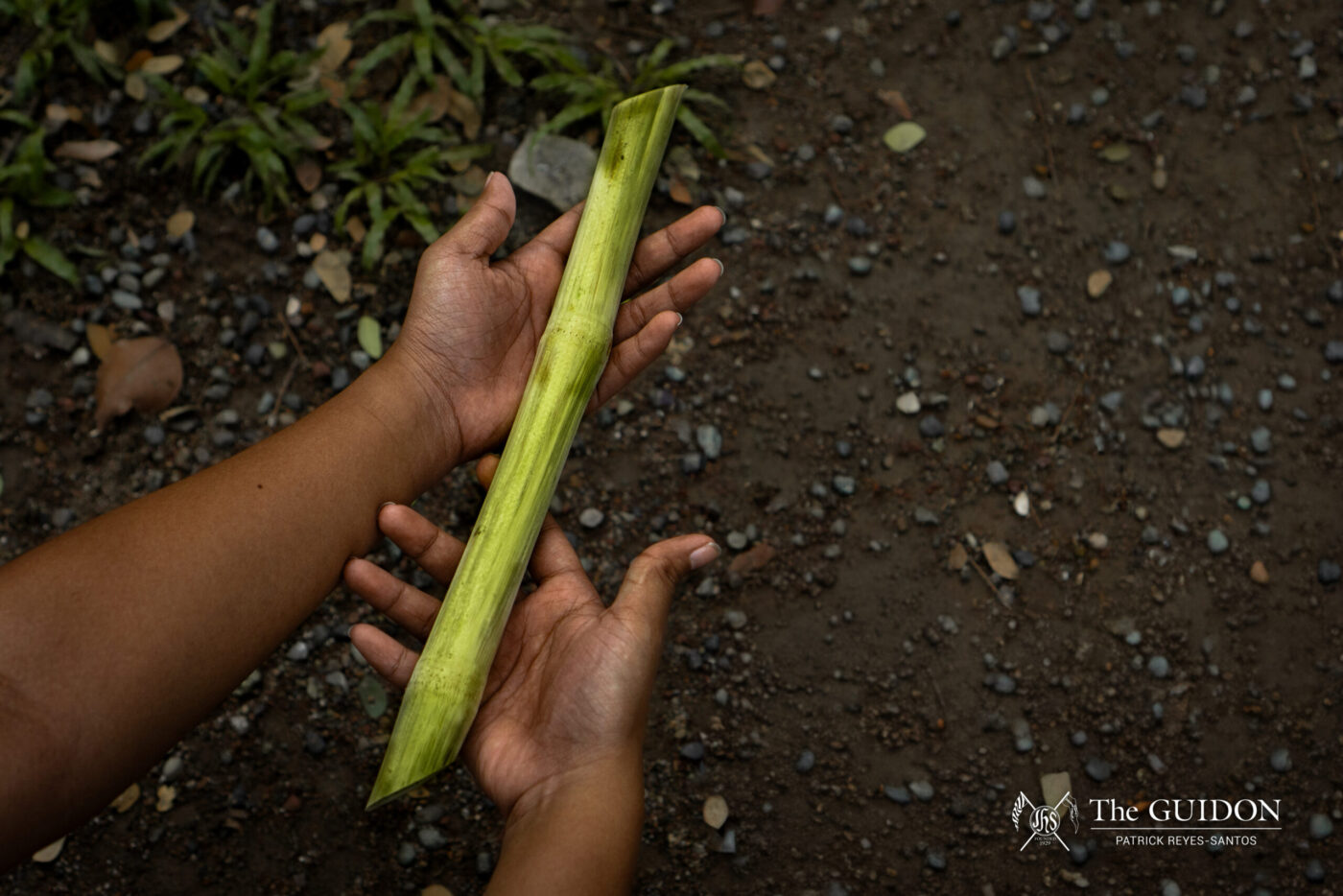
The sugarcane fields once bore witness to the cries of hunger during the Negros Famine of the 1980s. Yet, today, the collective identity of the small province is starved of its own history.
SUGAR IS the lifeblood of the Negros economy. Its fields, which once promised prosperity for generations, became the stage for one of the nation’s gravest humanitarian crises during Martial Law.
As sugar warehouses overflowed and markets collapsed in the mid-1980s, the island’s sweet industry turned bitter, the fields lay empty, and so did the stomachs and hopes of its people.
Today, decades later, the fields bear harvest, but the erasure of its memory leaves another kind of emptiness.
The years with no harvest
In the early 1980s, global sugar prices collapsed. Under Ferdinand Marcos Sr.’s control of the industry, hacienda workers suffered a decline in wages and overall employment due to the monopoly present in the island. Martial Law restrictions on the sugar industry tightened, and Negros faced not only barren harvests but widespread hunger, leading to famine.
Solomon Locsin, the Chairperson of the Negros Occidental Historical Council, explains that most of the island’s wealth came from sugar. “If something goes wrong with the sugar economy, people suffer. Different classes suffer,” he asserts.
The famine was tyrannous to various sectors of the community: families, workers, and the youth. It was harshest for farmers, working long hours under the sun for little pay and barely any food. Families starved as planters could not pay their salaries, given their debts.
Activists, no matter their age, were not an exception. Manong*, a Negrosanon activist during Martial Law, recalled the distressing case of a fellow prisoner that troubled him: a 16-year-old activist, tortured for his involvement in protests. He was forced into hiding in the mountains after his release, only to be captured and brutalized again. Stories of torture and injustice during these times, including his own, were far from isolated.
Manong himself lived through years of struggle under Martial Law. Born into a family of nine, he faced hardships due to poverty and the death of his brother at the military’s hands, a death that hardened his dissent towards a tyrannical regime. He continued his late sibling’s fight through activism and arms, eventually landing him behind bars.
While in prison, he met his wife—also detained—and together they endured torture. Upon their release, the couple married against the backdrop of an island in ruins. However, they were once again forced underground by 1977, spending years hiding from the military, separated from family, and surviving on scraps.
In the mountains, he sought refuge among Indigenous Peoples (IPs), believing that they were the only individuals who would provide them protection. In exchange, Manong’s troops would provide aid and education.
It was a boiling point for the island after years of devastation. For many, hunger brought political awakening. “Tungod sang kapigaduhon, gadalom na gid ang kapigaduhon nila. Samtang gadalom ila nga kapigaduhon, nagadalom man ang ila relasyon sa amon, nga kinanglan gid ya magrebolusyon, para maislan ang diktador,” he shares in his Native tongue, Hiligaynon.
(Because of poverty, [the IPs’] poverty deepened, while their sympathy with us also deepened—that we need to have a revolution to oust the dictator.)
Manong persisted in activism by organizing protests and joining underground movements. He believed in liberation and equality despite all the torture and manhunts. Among the acts of activism he took part in was one of the biggest protests in Negros: a people’s strike that ended in tragedy at Escalante, Negros Occidental.
Better known as the “Escalante Massacre,” the protest stemmed from the worsening hunger, landlessness, and state neglect under Marcos Sr., showing that under his regime, authorities recognized no limits in silencing the people.
On September 20, 1985, Nergrosanons organized a demonstration to dissent against the injustices: unfair wages, partisan militarization, and human rights violations. As the sun went down, however, Escalante’s fields were littered with bodies.
What started as a cry for help resulted in the brutality of government forces, who shot twenty demonstrators dead and wounded twenty-four. Instead of backing down in fear, the massacre transformed into a “social volcano,” as Locsin would say, as the citizens grew even stronger in their activism, and their morale heightened.
Smiles against the shadows
While images of emaciated bodies burned into memory, life eventually resumed. A new president was elected, yet the struggle of the poor continued. “In spite of Cory Aquino restoring democracy, she could not erase the poverty and atrocities born from that time,” Manong says. More than just aware of the wounds left by the sugar crisis, he felt that it ran far deeper than politics could ever heal.
From the shadows of famine and fear emerged unexpected acts of resistance and hope. Among them was the birth of the Maskara Festival in 1980, an event stemming not from abundance, but from desperation. Born at the height of the famine, it was conceived by struggling artists to help people confront the cruelty of the times, while giving them a space to gather, smile, and defy despair. With this, the festival became more than the smiles plastered on masks, serving as a reminder of resilience among Negrosanons.
Over time, the festival’s origins dimmed, and its bright colors overshadowed the tragedy that inspired them. The Negrosanons believed that the annual festival allowed them to put up smiling faces despite all the troubles.
Locsin shares how significant it is to remember the essence of the festival. “[The Maskara Festival] happened during Negros famine. […] It is commemorated, but kulang (is lacking) […] you have visible or tangible reminders of that time all over Negros. In the cathedral, you have a Don Juan commemoration. In Escalante, you have monuments of the massacre,” Locsin shares.
Amid efforts to remember the famine, Locsin only heard tales of it from his grandmother, noting how the narrative was absent from school lessons. Now, as Historical Council Chair, he serves as a keeper of these stories, working with artists, churches, and students in preserving the province’s memory. This constant effort to carry a significant historical memory reflects a greater advocacy: to keep speaking, because forgetting only allows silence to reshape history in the minds of people.
Sowing change
Despite stories of the Negros Famine and Escalante Massacre resurfacing during the 2022 Elections, the late dictator’s son still won the presidency.
“If we unfolded [the famine], it would awaken the problems that were not exposed during Martial Law. And, if you understood what happened during Martial Law, you would understand why [Rodrigo] Duterte is the way he is. You would understand why our government is what it is today,” Manong says.
For both Locsin and Manong, it is crucial to listen and retell these stories of struggle and resistance. The famine and massacre were not isolated events, but decade-long products of systemic neglect and exploitation.
Today, Manong continues to lobby for progressive candidates during the election season. With his efforts, he hopes that the Negros youth would also open their eyes to the widespread poverty around them and rally for the oppressed. For him, that is their role—the youth continuing to share narratives born from labor and love.
“We [should] examine history, not deny history. I think that is the message of the famine. Right now, I think we are challenged to repair not only our economy but also how we see the past,” Locsin elucidates.
For the island of Negros, it is through this recollection of history that their plight for liberation is remembered, especially as they navigate the issues of today and continue to chant, “Never again, never forget.” With these collective memories blooms hope—for justice and for those afflicted by the famine. While they are long gone, their story must persist.
*Editor’s Note: The name of the interviewee has been withheld to protect their identity and privacy.