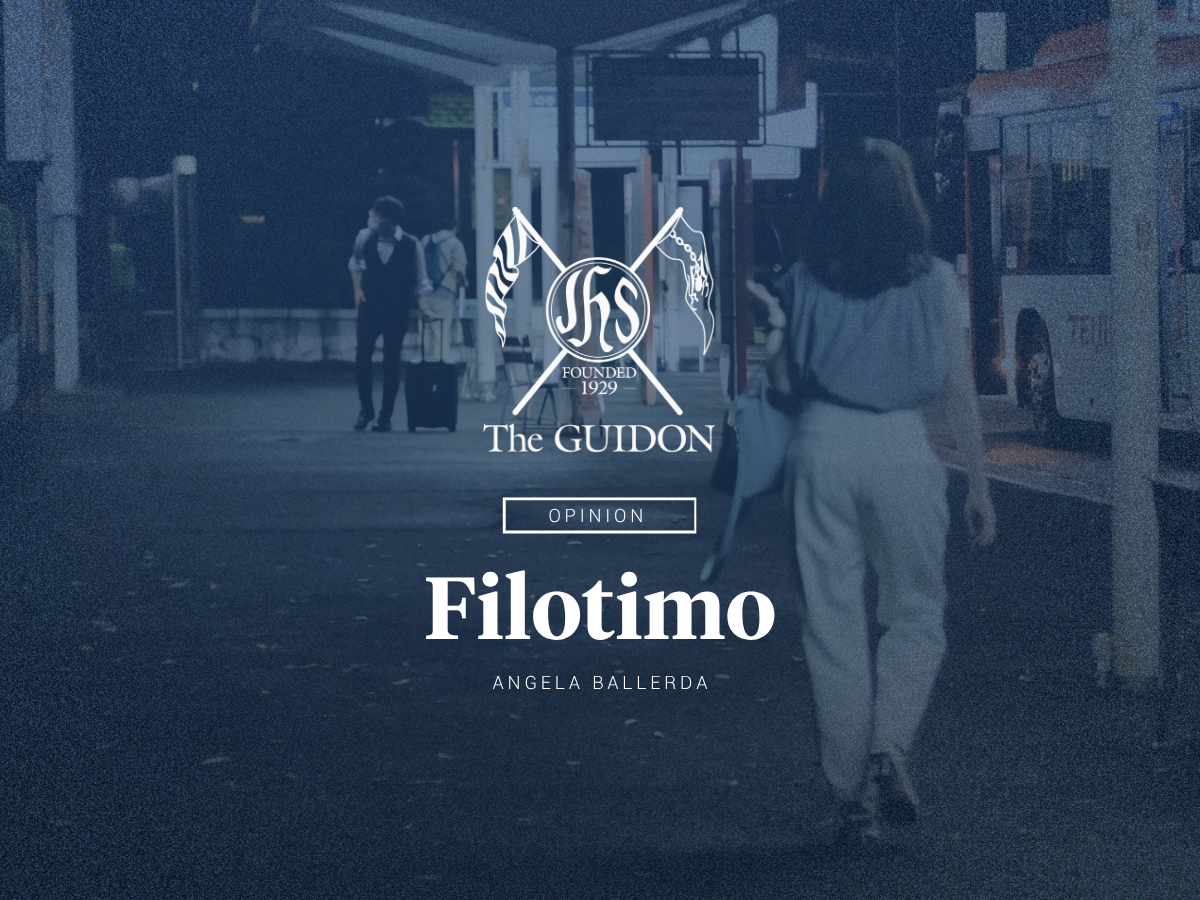
WHEN I walk on the streets, I find myself hyperaware of my surroundings, constantly checking whether someone is following me.
As I have come to notice, women are usually wary when navigating public transportation and spaces. They are often filled with fear and anxiety over the possibility of being targeted for harassment, as women are usually perceived as incapable of fighting back.
This fear reflects experiences of women commuters who have been subjected to catcalling, unwanted attention, groping, and other forms of harassment. Latest reports reveal that 58% of women have been physically harassed in public transport vehicles and sexually harassed in streets, major roads, and dark alleys.
One factor contributing to such harassment is the poor quality of public transportation, which is usually overcrowded and marked by long queues. Surveys have also found that 49% of women feel unsafe when walking alone at night, a concern exacerbated by the lack of streetlights and security officials.
Personally, I feel the need to wear jackets to prevent being sexually harassed. I also invent stories about who I am whenever drivers talk to me, just so I can prevent any possible attack. Among my female peers, I know some who bring safe defense equipment, such as pepper spray.
Behind the need to protect oneself, another factor why women consistently fear commuting alone is the normalization of disrespectful behavior from men. The culture of men consistently sexually harassing and making lewd remarks about women persists today, as evidenced by a recently posted profane caption from a Grab driver about his passenger’s body.
In response, women’s groups and advocates emphasized that treating disrespectful content about women as humorous is unacceptable. Objectifying women is never harmless, as it is a declaration of predatory desire that reduces women to properties of men. Women should be respected and not seen as commodities by men.
While there are some measures, such as the Safe Spaces Act or RA 11213, that penalize gender-based sexual harassment in public and online spaces, the lack of preventive measures and the difficulty of proving cases make the law insufficient.
Moreover, a lot of violence and harassment while commuting is underreported as victims are afraid to speak out due to victim-blaming and financial means. Oftentimes, women resort to posting their experiences of harassment to prove what happened and seek support.
Since there are few to no perpetrators accountable, women become constant targets of harassment in public spaces—which should not be the case. Women deserve to travel without fear. The normalization of manyak culture should be put to a stop, as women are not objects for public desire and consumption.
Unsafe commuting remains an issue the government has yet to fully address. Improving transport services, implementing gender-responsive solutions, and raising public awareness are necessary to ensure women’s safety in transport and mobility. Proving cases of harassment should be easier to report and prove, as this only leads women to continue being silent, which could only enable attackers.
Women should not need to endure sexist and disrespectful acts when using public transportation and walking around the streets. The culture of reducing women to objects should be denormalized. More importantly, better public transport services are needed so women would no longer need to fear commuting alone.
Angela is a fourth-year Communication student with a minor in Public Management at the Ateneo de Manila University. With her intense passion for broadcast journalism, she is devoted to enriching the lives of the marginalized by reporting truths that spark discourse and motivate action.
Editor’s Note: The views and opinions expressed by the opinion writer do not necessarily state or reflect those of the publication.