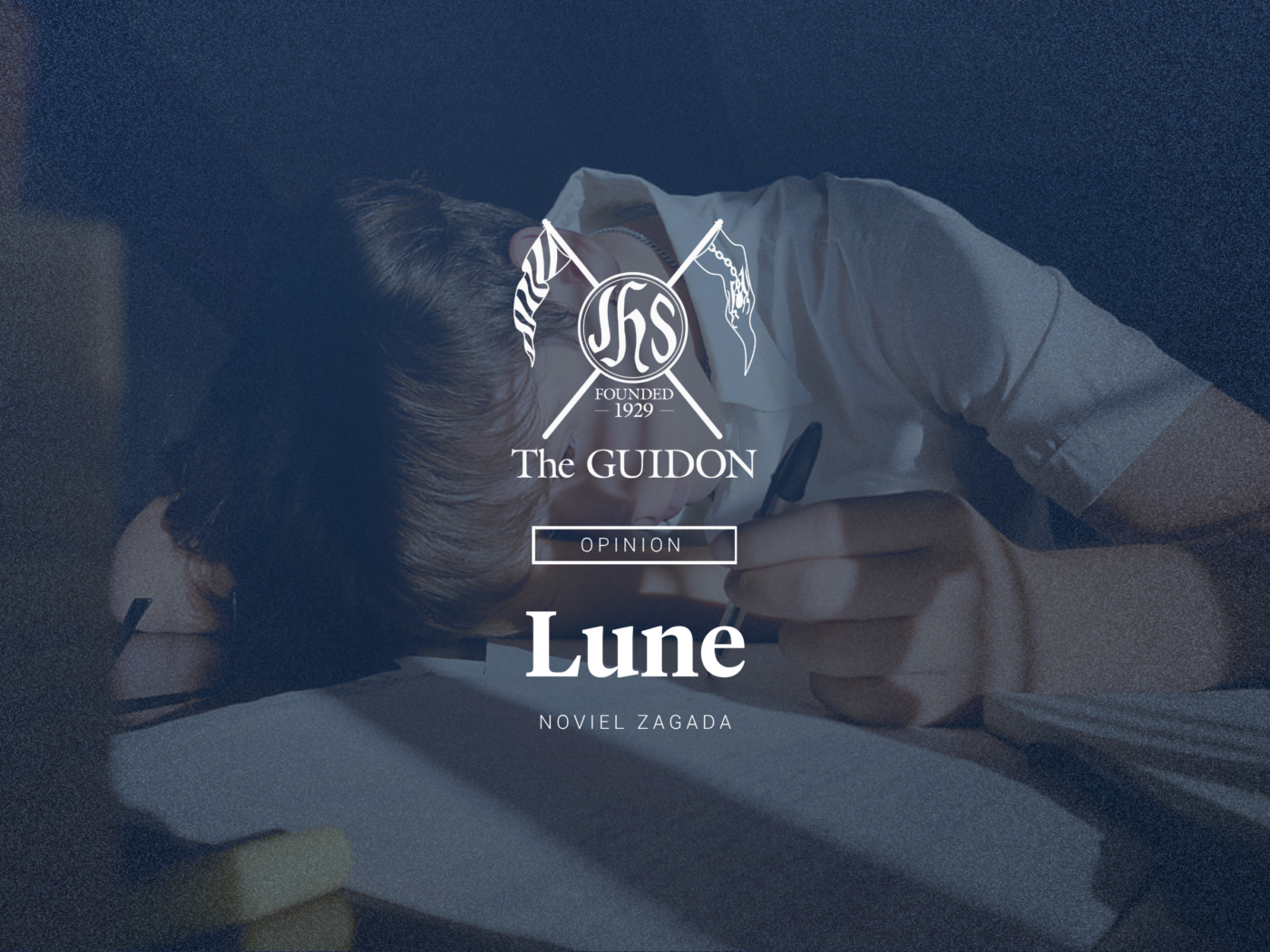
ON DAYS when the body is still, sometimes the mind refuses to settle. It searches for reasons to justify the discomfort of doing nothing. Rest then becomes something difficult to sustain, as if time spent without output must be defended.
With the current hustle culture, busyness has become a way of proving one’s place. The more visible the activity, the easier it is to equate it with value. Stillness offers nothing to prove, and what cannot be shown is easily read as lacking.
In spaces where productivity is constantly rewarded, the pressure to keep moving becomes internalized. Over time, psychological conditioning sets in, as behaviors tied to recognition are repeated until they begin to feel natural.
Productivity is met with recognition, while stillness is met with unease. Even without tasks or deadlines, there is now a pull to remain in motion, and stopping already feels like falling behind. The discomfort gradually becomes what people learn to escape.
Busyness begins to create a sense of structure, filling time in ways that keep questions about self-worth at a distance. As long as there is something to do, there is no need to confront what remains unresolved. But when movement pauses, those questions surface, with nothing left to contain them.
In the Philippine context, sipag (diligence) is often framed as a virtue. Hard work becomes a path to progress and a means of securing stability, while rest risks being seen as falling short of responsibility. Effort carries moral weight tied to obligation—especially for those expected to support their families.
However, in conditions where rest is a privilege and opportunities are rationed, diligence functions more as a survival demand.
Every hour is directed toward something larger than oneself, leaving little space that feels truly personal. Exhaustion becomes normalized, while anything less begins to feel insufficient.
Academic settings make this pressure especially visible. Students remain constantly engaged across overlapping demands, where grades function as the clearest currency of worth. Where everyone is expected to do more, doing less feels like failure. Achievement becomes a test of how much exhaustion one can endure, until even rest feels undeserved and time rarely belongs to oneself.
Hence, staying busy becomes a coping mechanism that avoids confrontation. Activity takes the place of reflection, and tasks fill the silence that stillness demands we sit through. In this way, the cycle reinforces itself—movement temporarily quiets the discomfort, making the urge to keep going harder to resist.
Indeed, the unease we feel in rest is learned—sustained by a culture where inactivity is quietly questioned. What we have been taught to call idleness is often just the absence of something to show—and that absence is what we have come to unconsciously fear.
To pause is to reveal a humanity made conditional in spaces that recognize us only when we are visible. Unsettling as it may be, we have yet to confront the system that made us believe our worth is only real when we are exhausted enough to prove it.
Noviel is a BS Psychology student with a minor in International Business at the Ateneo de Manila University, set to graduate in 2026. Aside from her advocacy for accessible healthcare and people-centric systems, she leverages her passion for storytelling by crafting multimedia narratives across multiple interests.
Editor’s Note: The views and opinions expressed by the opinion writer do not necessarily state or reflect those of the publication.