I did not vote, much less register to become an eligible voter for the 2019 Midterm elections last May. Apart from disappointed comments and sighs from friends who found out, the results were punishment enough.
The irony is that I had my list of candidates I wanted to vote for. I participated in school surveys that gauged the supposed “youth vote.” I followed the heated Senatorial Debates through social media and streams. I dutifully liked, shared, and retweeted campaign material to get the word out for my bets.
And in the end, I did not vote.
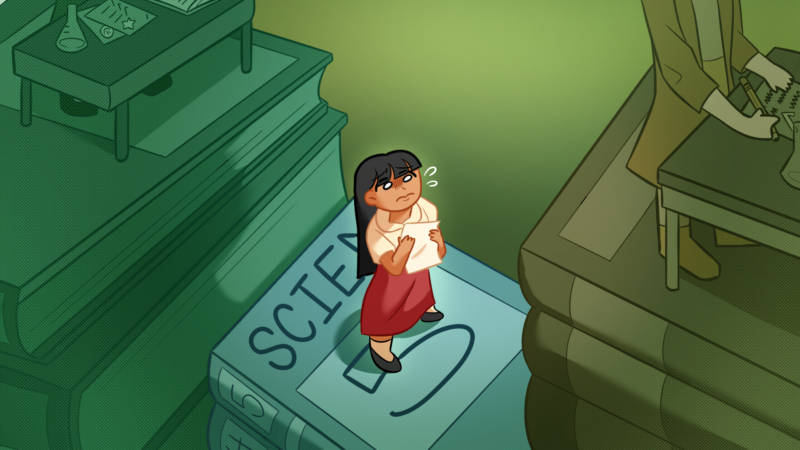
I always promised that I’d register later. There was always a later because my life is comfortable enough to make me think that registering for the elections was less important compared to my other responsibilities at that moment. It’s so easy to become apathetic when you are privileged. And the thing is, I am not the only one lucky enough to live this way.
I’m not discounting the many voters with an age and economic background similar to mine. In fact, so many of my own friends voted. But, the significant number of us who did not vote are equally responsible for the results of the last elections, too.
Just how responsible are we? Let’s put it into perspective with numbers.
International IDEA cites that as of 2019, a total of 65,771,984 Filipinos are of eligible voting age. Of that population, 61,843,771 are registered to vote. And of those who are registered, the official voter turnout dips to 46,314,800.
Between the 65 million eligible voters and the 46 million turnout is about 19 million people who, like me, could have made a difference.
I had hoped that candidates from the opposition would win, but none of my bets from Otso Diretso’s slate managed to nab a “Magic 12” seat in the Senate polls. The closest to the coveted spots was former Senator Paolo Benigno “Bam” Aquino IV at rank 14th. According to the official results released by the Philippine Commission on Elections, the margin between him and Senator Nancy Binay who was hanging at the 12th spot was a meager 360,013 votes, just a tiny fraction of the 19 million that did not vote–and it has made all the difference.
It’s useless to cry over wasted votes at this point. At the very least, I can be comforted by the fact that we are still a democracy and that it will not be the last elections held in the country.
As early as now, we can register to vote in the 2022 National elections where we will decide who our next President will be. The registration period started last August 1 and will end on September 30. After that, another registration period will open in 2020.
The only thing I need now is a valid ID and to finally stop saying later.