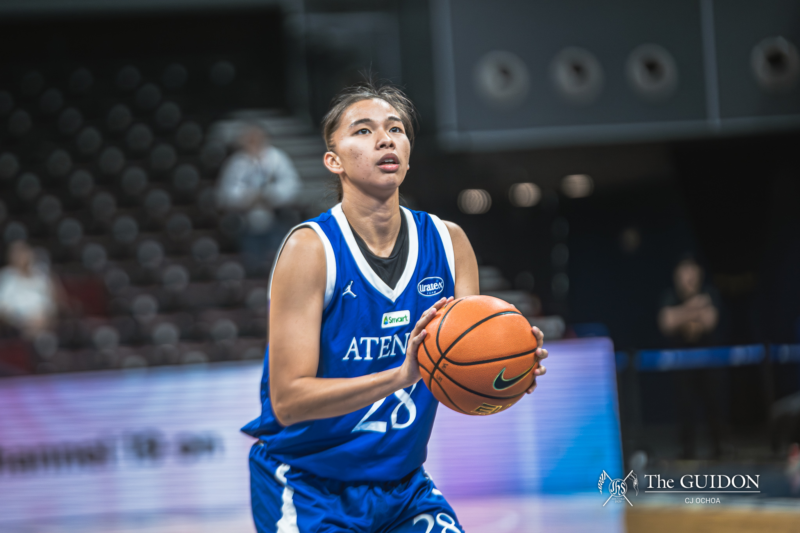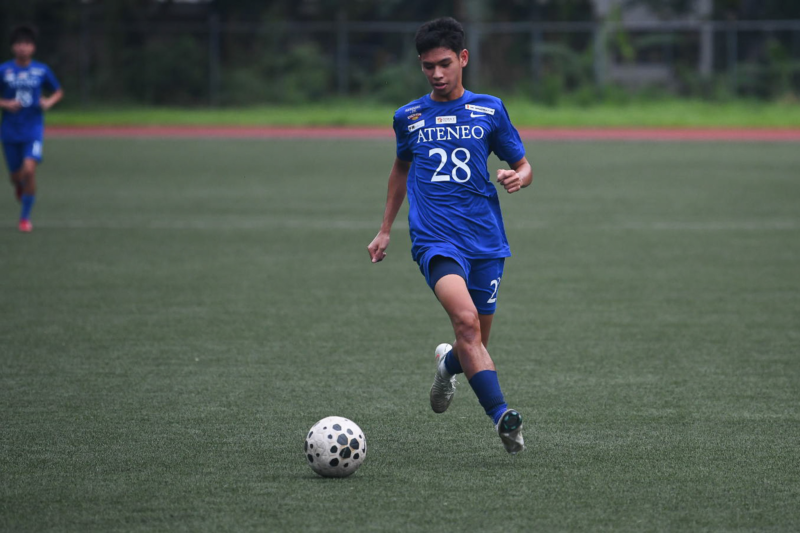
OUTSIDE THE arena, athletes carry a unique responsibility that extends beyond victory. Seen as national icons, they are also public figures who represent their country even off the field.
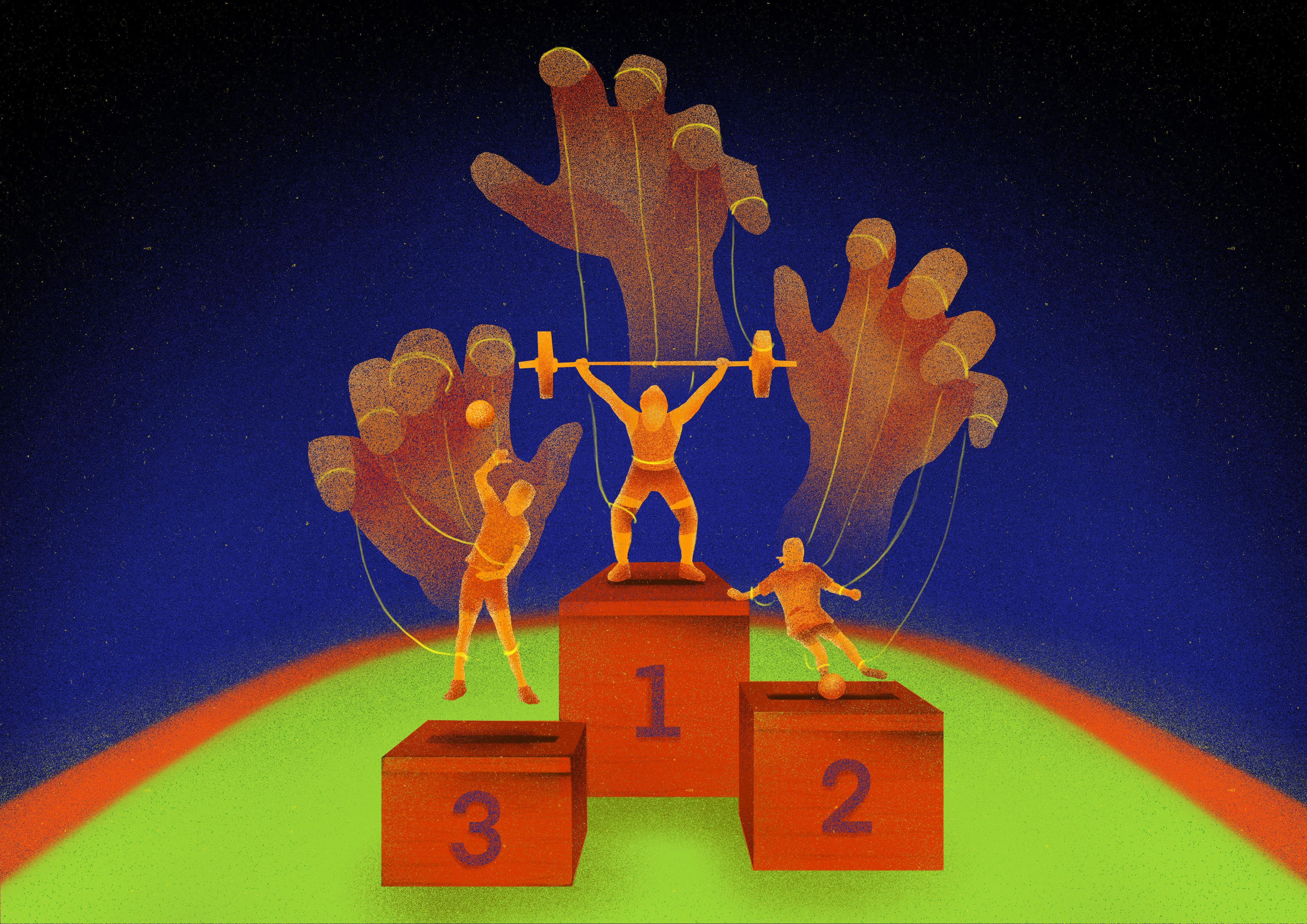
While athletes’ triumphs usually take the spotlight, they often draw attention away from the systems that sustain them. To carry the weight of national expectation both on and off the field, athletes rely on more than just personal discipline. Once the lights dim, they face a whole new game: seeking sustainable support from private entities and government institutions.
Adequate government funding directly influences athletes’ access to essential resources, such as quality training facilities, and opportunities like participation in international competitions. Hence, the success of a national athlete hinges on unyielding institutional and government support.
Setting the stage
Sports and politics have long gone hand in hand, and many examples throughout history have shown a productive effect. The National Academy of Sports, for instance, was established in 2020 to serve as the premier institution dedicated to nurturing Filipino student-athletes’ skills and talents.
Supporting the notion of beneficial sports-politics relationships, a highly-regarded coach, who requested anonymity, recalled an instance when the Senate intervened after select athletes lost their allowances. The coach emphasized that when the cause is for the betterment of everyone, sports leaders see its validity and will most likely listen to it.
Such collaborations underscore the government’s role in safeguarding athletes’ welfare. At the forefront of this is the Philippine Sports Commission (PSC), the country’s primary sports governing body. It has long provided support to national athletes while coordinating with all National Sports Associations (NSAs) in the country.
Detailing his experience in working with the PSC, First Vice President and Head of Sports at PLDT Jude Turcuato had nothing but praise for the commission, sharing that he considers his relationship with them to be “good” and “smooth.”
As several instances in the past have shown, these relationships, if done right, can benefit both parties. For athletes, these ties can propel their careers to new heights.
Connections game
While there are instances of successful partnerships between sports and politics, the complexities of the Philippine sports industry often lead to a disconnect between athletes and politicians.
A major source of disagreements between athletes and politicians lies in the rejection of sports-based projects. A number of initiatives proposed by athletes aimed at improving national sports infrastructure have been dismissed due to budget constraints and political priorities.
Speaking on the difficulties of national athletes, the coach details how his association has asked the government for an expansion of the Philippine National Games—but to no avail.
In an article from GMA News Online, President Ferdinand “Bongbong” Marcos Jr. stated that while the initiative was in good faith, he felt the bill would only duplicate existing efforts and waste government funds rather than improve the state of Philippine sports.
Giving his perspective on the matter, Turcuato argued that it is a hotly contested issue between athletes and politicians because of the budget having to be split among 55 NSAs.
He also noted that political support for athletes is a geographical issue. The PLDT Head of Sports argued that support is tied to location, expressing that politicians fund athletes and teams from their area to bolster their locality.
Another factor in the distribution of funding spotlighted by Turcuato is the concept of connections and networking. He noted that while it is not exclusive to the Philippines, major funding often depends heavily on government linkages.
Given these factors, athletes in Metro Manila are likely to hold an advantage, living in the center of both sports and politics. This centrality gives them better access to quality technology, coaches, and infrastructure—assets not equally available in rural or regional areas.
A fine line
With the 2025 midterm elections on the horizon, the question remains as to what the landscape of Philippine sports will look like after the polls, especially since a majority of the heads of federations and NSAs are politicians, according to Turcuato.
With this reality of politicians handling NSAs and the Philippine Olympic Committee being elected by these federations, the selection process can resemble popularity contests within party lines, calling for further examination of how such systems ultimately impact the country’s support toward Filipino athletes in the long run.
As the line between sports and politics remains blurry, both athletes and citizens must navigate a structure where influence often dictates opportunity. Yet, beyond the entanglements of patronage politics, there remains hope that future support for athletes will not just come from individual leaders, but from lasting systems built to uplift sports as a pillar of national development.