The day this opinion piece was due, I was talking to someone about mundane things. We sat outside the Rizal Library, on the chairs facing the fountain and the rest of the world. Everything was normal. People were walking in and out, and most, if not all, were rushing.
We were talking about life. We were neither ranting nor complaining, but instead, we were exchanging reflections about ourselves, our friends, family, and every now and then, sharing the silence. One of the things that we discussed was how foolish this idea seems: Meeting with an equally busy college student, and simply making time for the other with the intention of forming a genuine connection.
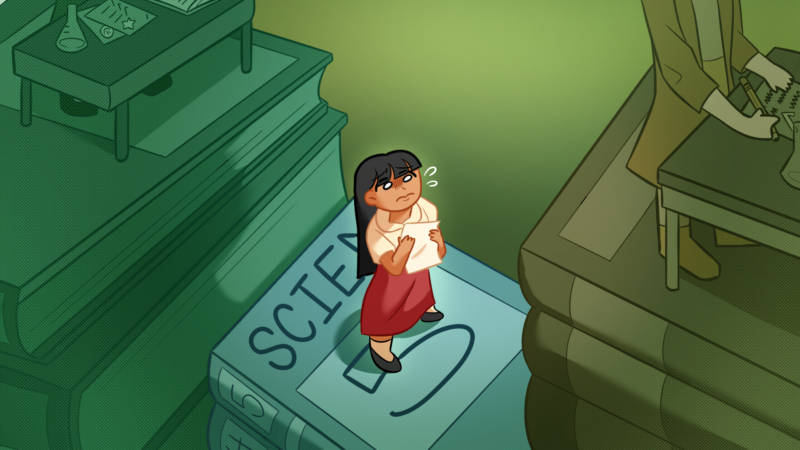
These kinds of interactions seem impractical. Spending time with someone in such a way is different from meeting with them to accomplish school or org work. As students, the latter is what connects us more commonly; our relationships with people are strengthened by shared suffering and responsibility. Whenever we make small talk with our acquaintances or friends, the conversations tend to revolve around varying degrees of stress levels. We protest against the many requirements we have to finish, but only after we establish our awareness of our inadequacy, and justify our mediocrity. Somehow this makes us more relatable, more Atenean.
There is something so utterly repetitive about how we communicate our tiredness. In the case where one is juggling three to four org-related activities on top of academic load—which is the case for a lot of the people I encounter—there is a cycle of starting passionately yet finishing poorly. It is not wrong to explore options and in effect, have a lot on our plate. However, it becomes a problem when we recognize growth only if we are busy—when it becomes tiring to interact and to focus. Passion can only do so much; there is nothing amazing about saying yes to everything if we are too tired to do our best.
In the same case, whenever we rationalize the often unwanted advice, “Don’t be too hard on yourself,” we have a count of how many times we have forgiven ourselves, and how many more times we can. Underperformance or feeling like we could have done better should make us hopeful, but after a while it becomes an annoying thought; we certainly know we could have done better, but we certainly did not.
Andy Puddicombe, a mindfulness expert, talks about the importance of being in the present. In his TED talk, he explained that meditation is a way to familiarize ourselves with what is happening around us. It is not about desperately trying to control or stop the thoughts that hinder us from functioning well, rather, it is “seeing the thought clearly…emotions coming and going without judgment, but with a relaxed, focused mind.”
Like Puddicombe’s reasoning, it is good practice to be more mindful. In being more deliberate with how we approach opportunities and things we are passionate about, we allow our best selves to manifest. In that same way, we give ourselves the permission to enjoy the silence within ourselves, and the silence we share with others.