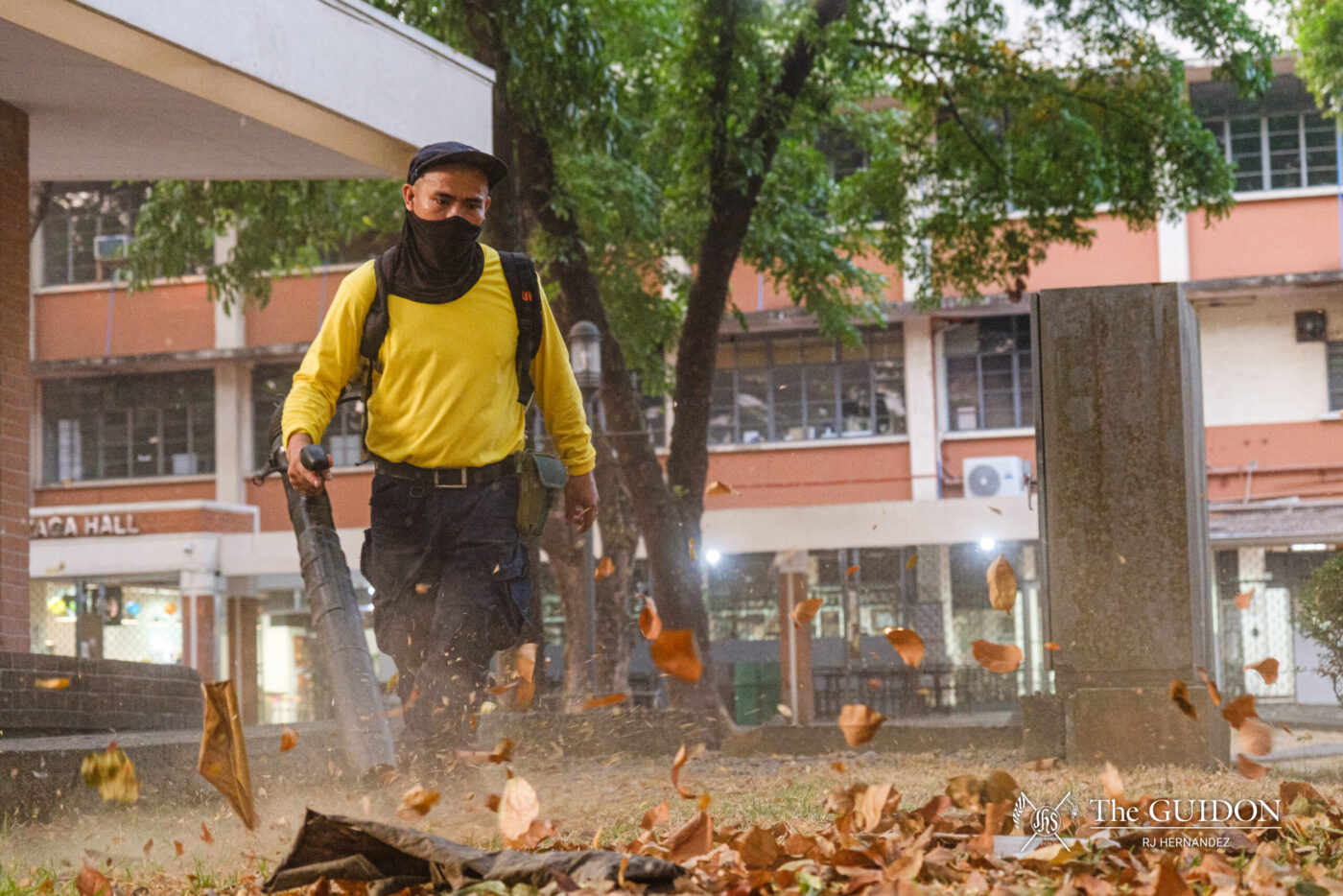
BEHIND THE ecological space of the Loyola Heights campus lies the quiet labor of the JSA Maintenance Staff, known as the “Yellow Boys,” whose daily work helps sustain and protect campus biodiversity.
Their work reflects a broader challenge cities face across the country: the need to preserve and expand green spaces through nature-forward urban planning. Within Ateneo, the efforts of the JSA Yellow Boys continue to keep the campus a dynamic green lung in Quezon City.
Day by day
As early as 4:00 AM, the Kuyas are already at work, equipped with blowers, gardening tools, and years of familiarity with the campus. They move through forested areas and common spaces—clearing fallen leaves, tending to plant beds, and monitoring the environment’s condition.
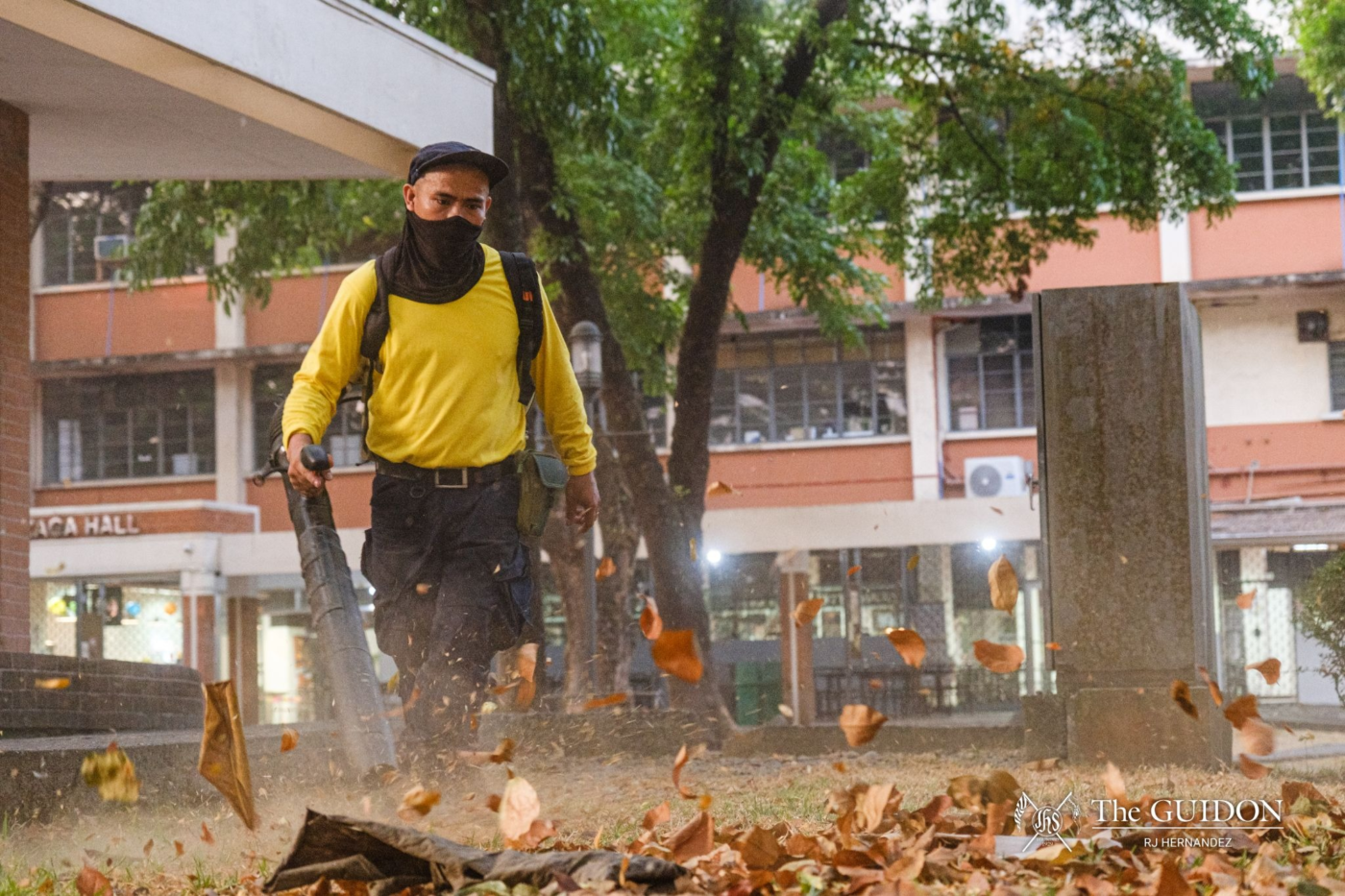
For years, the Yellow Boys have been a constant presence. Kuya Antonio De La Cruz has spent seven years on campus, while Kuya Jonel Rosales and Kuya Albert Lee have served for 12 and 17 years, respectively. Over time, their familiarity with routine maintenance had developed into an understanding of Ateneo’s biodiversity.
Wildlife encounters are now part of their daily work. While tending to plants or passing through quieter areas, they regularly run into birds, monitor lizards, snakes, insects, and other animals that inhabit the campus.
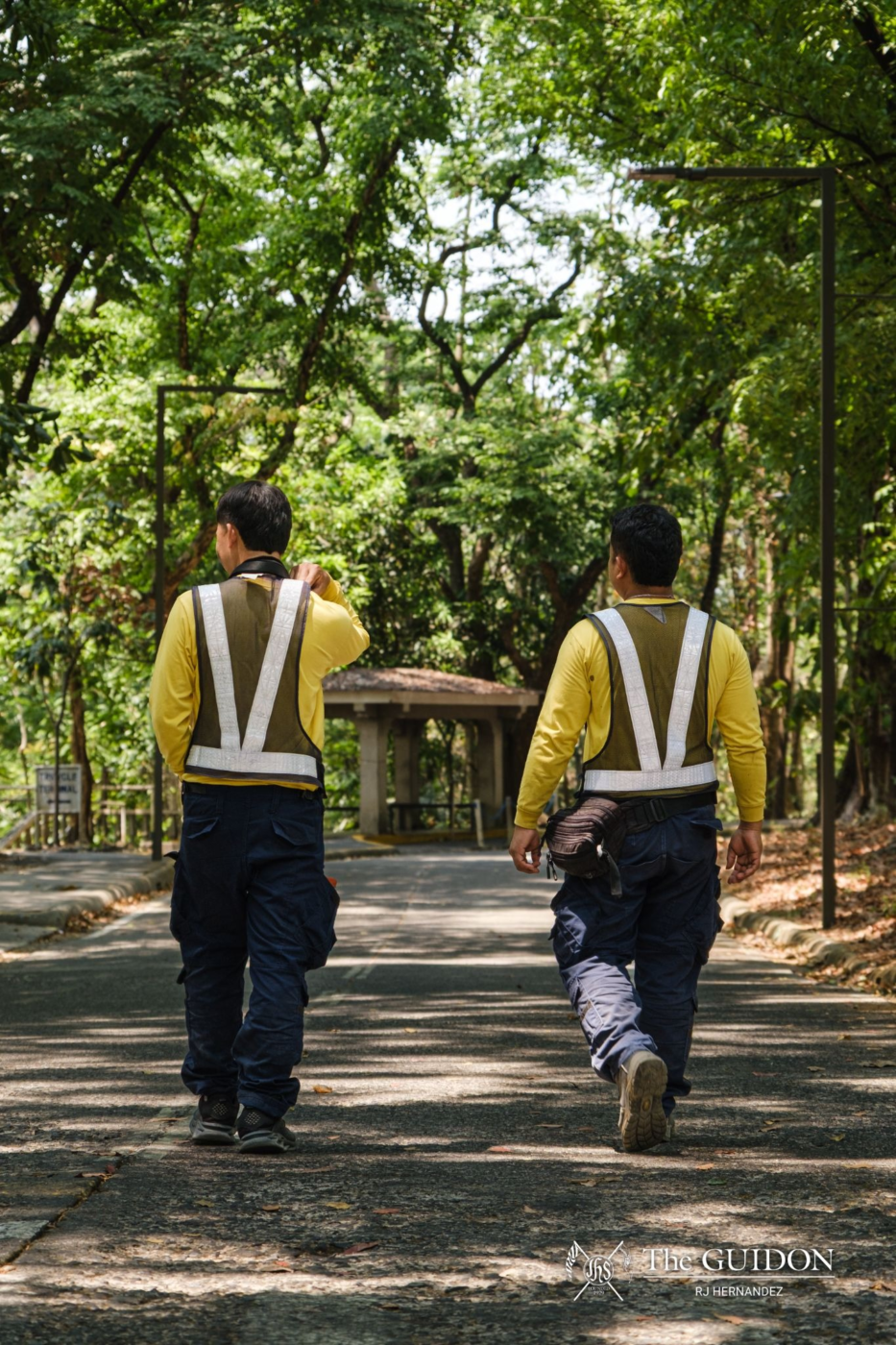
“Hanggat maaari po, hindi namin sila hinahawakan o tinatangkang hulihin,” Kuya Antonio shares. “Kung mayroon man kaming napapansin sa daanan, binubugaw na lang namin para makapunta sila sa safe na lugar.”
(As much as possible, we avoid touching or trying to capture them. If we encounter them along pathways, we simply guide them toward a safer area instead.)
Through years of working around the campus, the Kuyas have grown familiar with recurring wildlife sightings, making them some of the people who encounter Ateneo’s biodiversity most often.
Beyond the job description
Warned and trained in the event of wild animal encounters during their rounds, they recognize the value of preserving what little pockets of biodiversity exist within Ateneo. Kuya Albert mentions how even small organisms like grasshoppers, butterflies, and spiders have a large impact on the world through nutrient cycling.
This preservation also extends to how the Kuyas respond when campus wildlife needs attention. When encountering injured or unfamiliar wildlife, the JSA Yellow Boys report these to their office and coordinate with the Ateneo faculty, as well as The Ateneo Wild founders Maria Katrina Constantino, MS and Abigail Marie T. Favis, MSc.
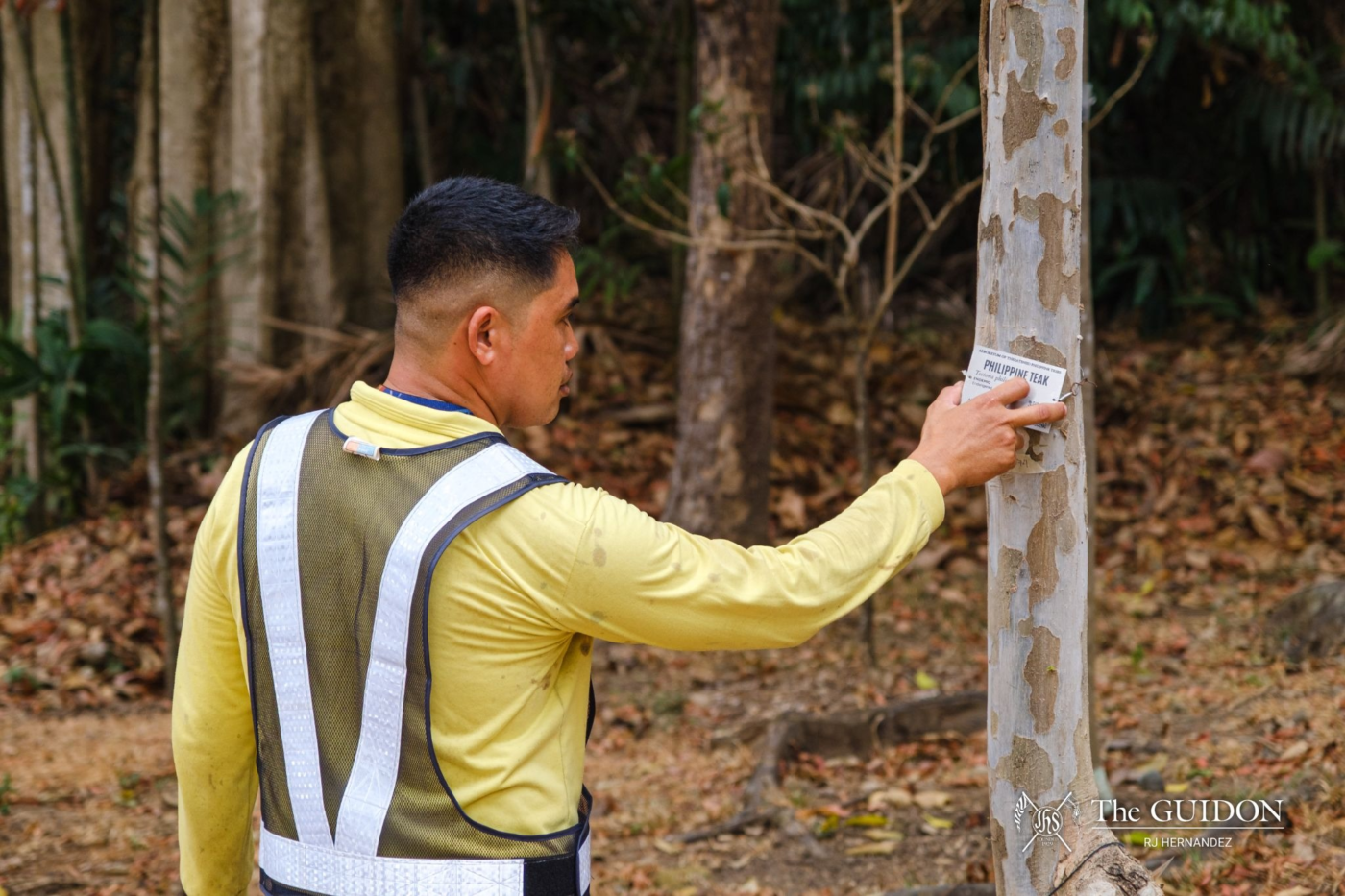
For the Kuyas, helping injured wildlife comes from personal concern, not just duty. Kuya Albert explains that no one orders them to rescue animals, but they help because they believe fauna also have lives worth protecting. They intervene only when necessary to avoid harming both the animals and themselves.
JSA Yellow Boys have also encountered the occasional danger of dealing with the likes of snakes and monitor lizards (bayawak). However, Kuya Jonel shares that their regular duties are often misunderstood as “inconveniences” because of equipment noise or ongoing management.
With these, the Kuyas ask for understanding from the Ateneo community, as they are equal stewards of the campus just as much as students or other staff are.
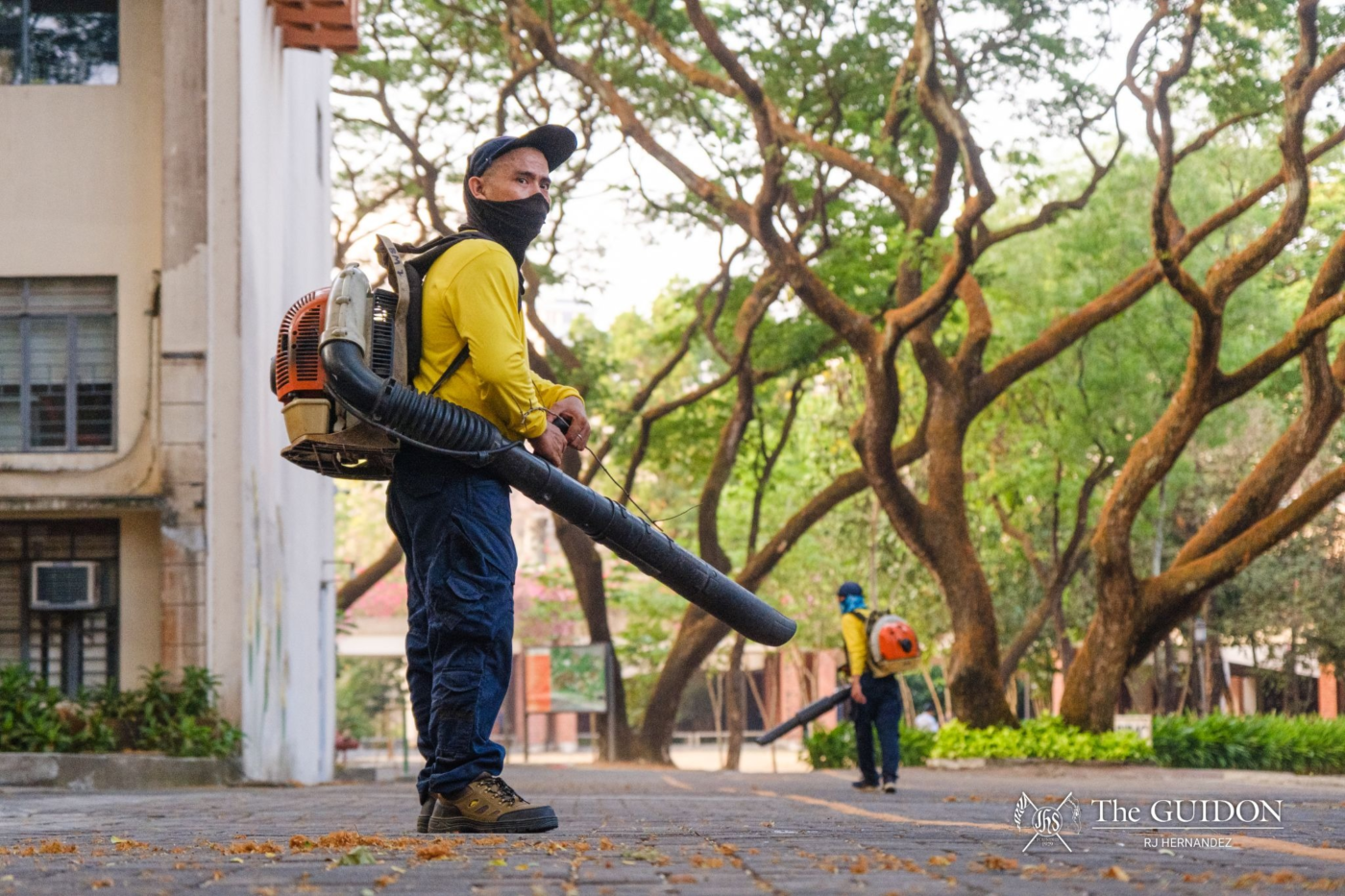
Beyond assigned maintenance work, the Kuyas continue to care for Ateneo’s environment in quieter ways. While walking through the different forested areas of Ateneo, the Kuyas pick up whatever litter they find. For the Kuyas, caring for campus wildlife has become part of their everyday responsibility, even when it goes beyond what is formally asked of them.
An innate advocacy
As campus development continues, the Kuyas have noticed fewer trees in some campus areas. Kuya Jonel shares that these changes make it harder to protect the habitats they help maintain.
Moreover, another difficulty lies in caring for green spaces that may later be repurposed, leaving the wildlife there with uncertain chances of survival. “Mahirap yung inaalagaan natin ‘yung kalikasan tapos [kapag] may time na gagamitin na ‘yung lugar, baka wala na tayong magawa. Talagang 50-50 kung mabubuhay pa sila,” Kuya Jonel voices out.
(It is difficult when we care for nature, but when the time comes that the space will be used, we may no longer be able to do anything. The chances of the wildlife surviving are really 50-50.)
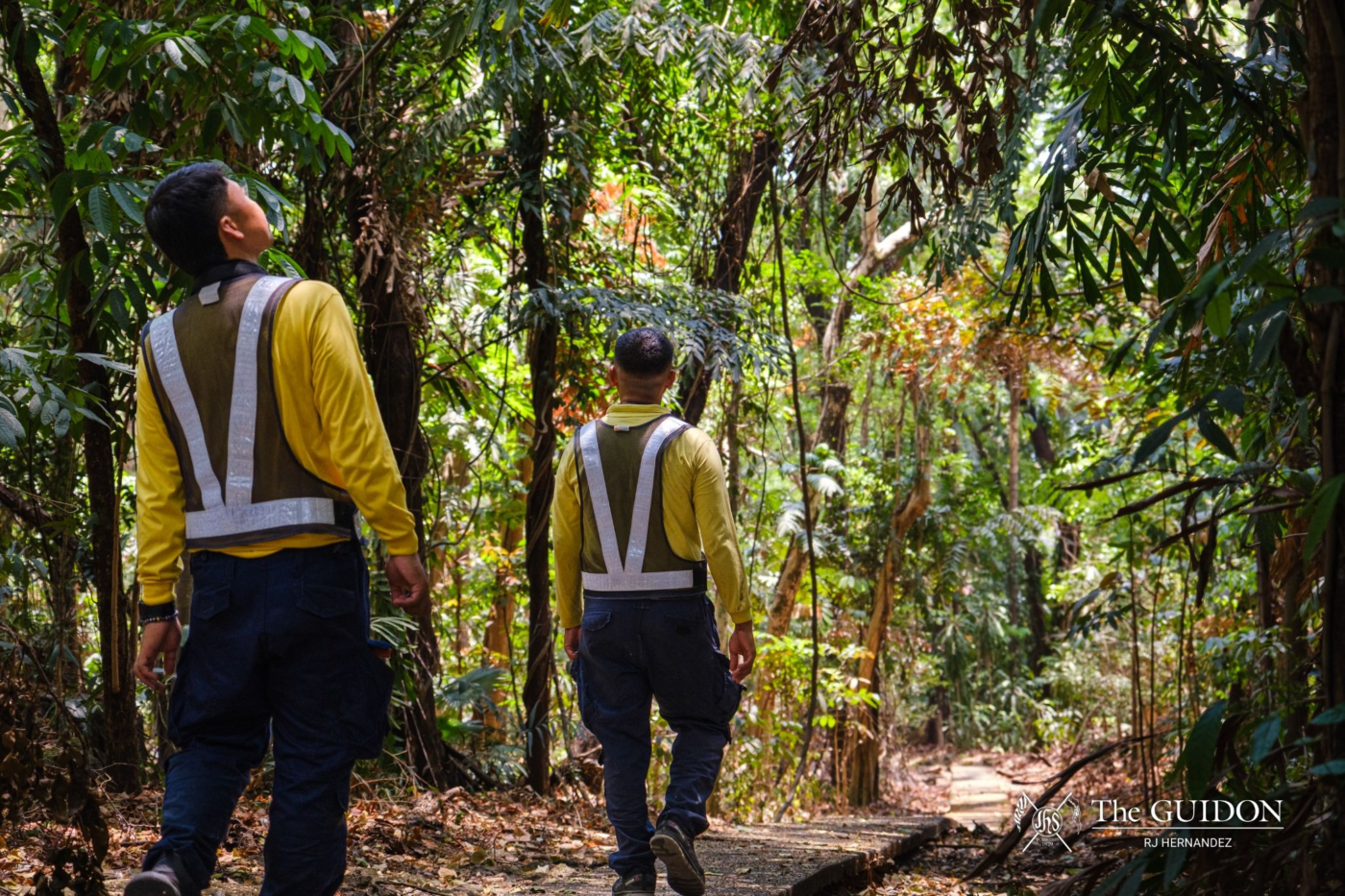
Over time, these encounters have made the Kuyas more attuned to what is at stake when campus green spaces are disturbed. Their concern is shaped not only by routine maintenance, but by the advocacy and care brought by wildlife and habitats they have come to know through years of tending Ateneo’s grounds.
Beyond their usual maintenance duties, Kuya Albert shared that what people often overlook is the passion behind their work. While their work supports their families, Kuya Jonel shared that it also gives them the chance to help care for the environment around them.
Outside institutional efforts, sustaining campus biodiversity depends on everyday actions. The work of the JSA Yellow Boys shows that conservation is not limited to research or large-scale programs; it also occurs through small, consistent acts of care.
As members of the Ateneo community move through its green spaces each day, much of what they encounter is sustained by the quiet, continuous labor of those who care for it one encounter at a time.