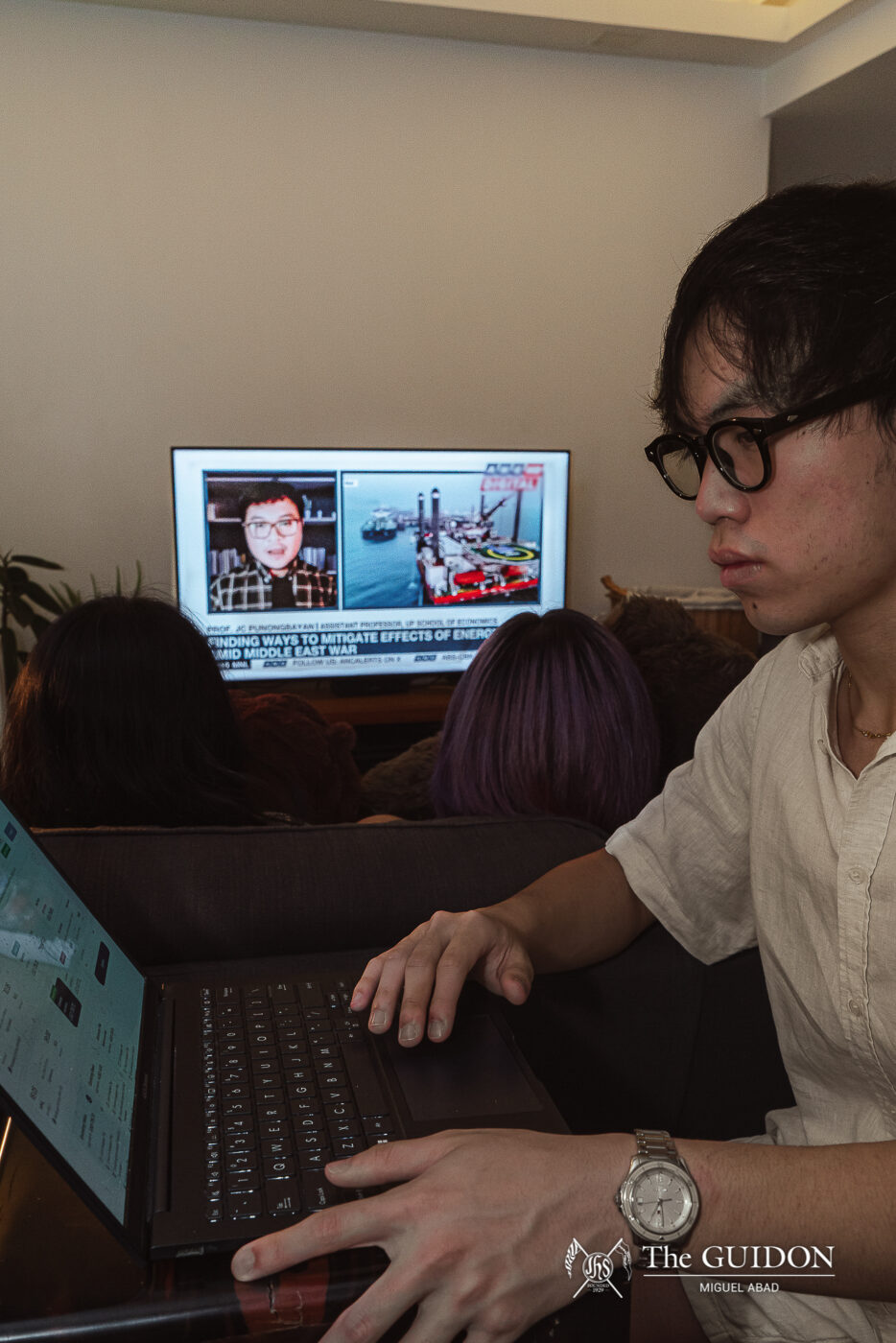
AS TENSIONS rise in West Asia, repatriated Overseas Filipino Workers (OFWs) face the dilemma of staying in their home country or returning to their livelihoods abroad.
According to the Department of Migrant Workers (DMW), approximately 96.4% of the 1.13 million OFWs in West Asia face indirect and direct risks from the conflict. Fatalities, including Filipina caregiver Mary Ann De Vera, have been reported, highlighting the severity of threats that migrant workers face in war zones.
Since the United States (US) attacked Iran on February 28, migrant workers in West Asia have endured escalating violence from both countries. The death toll of civilians has reached thousands, while tens of thousands have been injured. Several Iranian leaders, including Supreme Leader Ayatollah Ali Khamenei, have also been killed by US airstrikes.
As the conflict progressed, neighboring countries that host US military bases were affected by retaliatory strikes from Iran. These include missile and drone strikes in Qatar, Kuwait, and the United Arab Emirates. The continued strikes damaged civilian properties medical centers, schools, and oil facilities, limiting access to necessities such as food, water, electricity, and humanitarian supply chains.
Despite the two-week ceasefire declared by Trump on April 7, agreements remain temporary, making long-term peacebuilding uncertain. This is due to the US and Iran’s incompatible demands and longstanding distrust. In the absence of sustainable agreements, however, the safety of millions, including OFWs, remains at risk for displacement and heavy casualties.
Beyond immediate safety concerns, economic insecurity becomes another threat to OFWs. Job layoffs increase as more companies halt operations amid ongoing attacks. This drove thousands of OFWs to leave their host country and return home.
However, some OFWs experience repatriation dilemmas, as they would lose their primary source of income and later face scarce job opportunities in the Philippines. These circumstances cause risks of financial instability for their families, prompting livelihood uncertainties. According to DMW Secretary Hans Leo Cacdac, 84% of repatriated OFWs remain interested in overseas employment.
As of writing, around 9,732 Filipinos have returned from West Asia, with DMW funding the repatriation of 5,669 OFWs. Due to political uncertainties, DMW expects these numbers to significantly rise, leading to the growing demand of adequate financial and livelihood support for returning OFWs.
While the government promises job fairs and livelihood initiatives, historic accounts of high unemployment for returning OFWs cast doubt on a sustainable source of income. As a result, OFWs are caught between safety risks and uncertain livelihood outlook.
Such tension may underscore gaps in government assistance and the need to build public trust. The government, then, bears the responsibility of reassuring OFWs that no job abroad is worth more than a Filipino’s life.