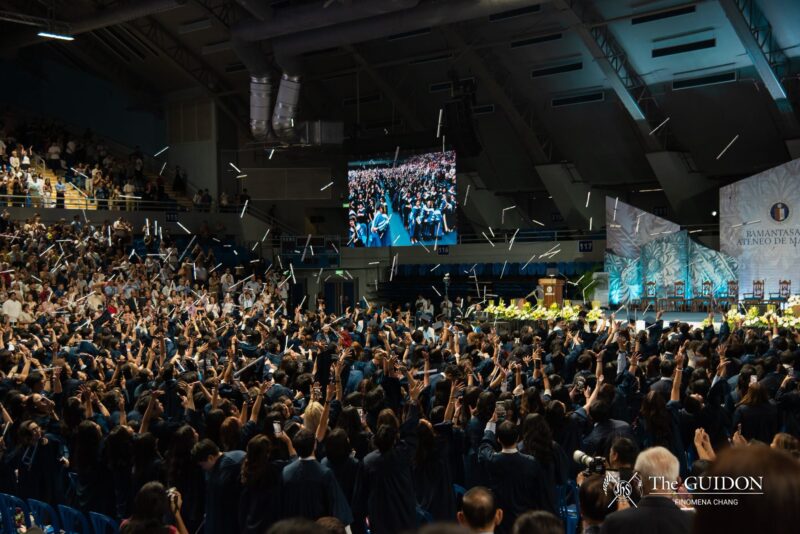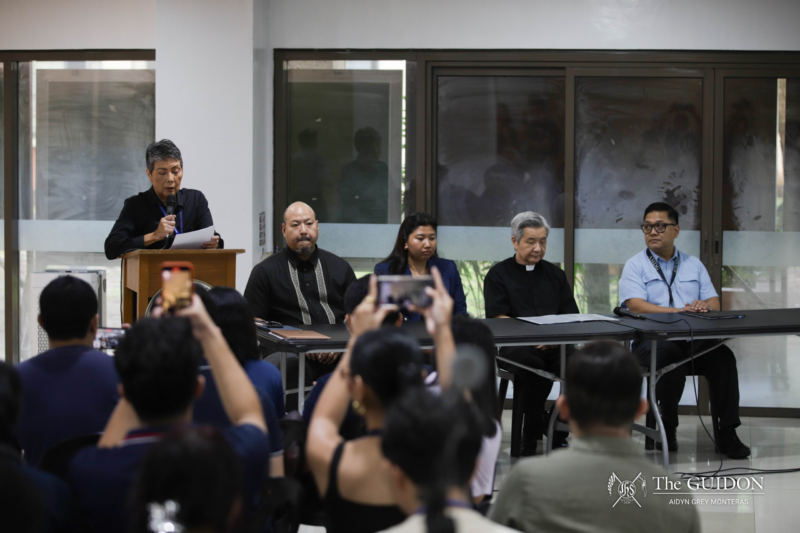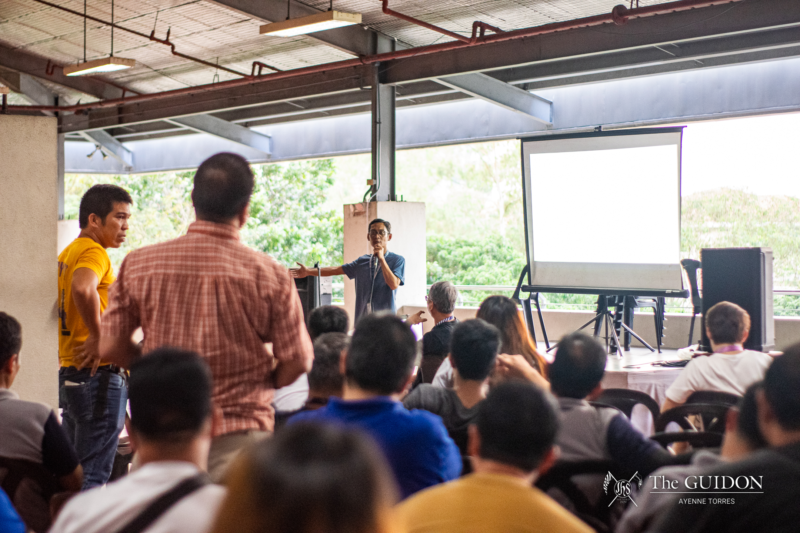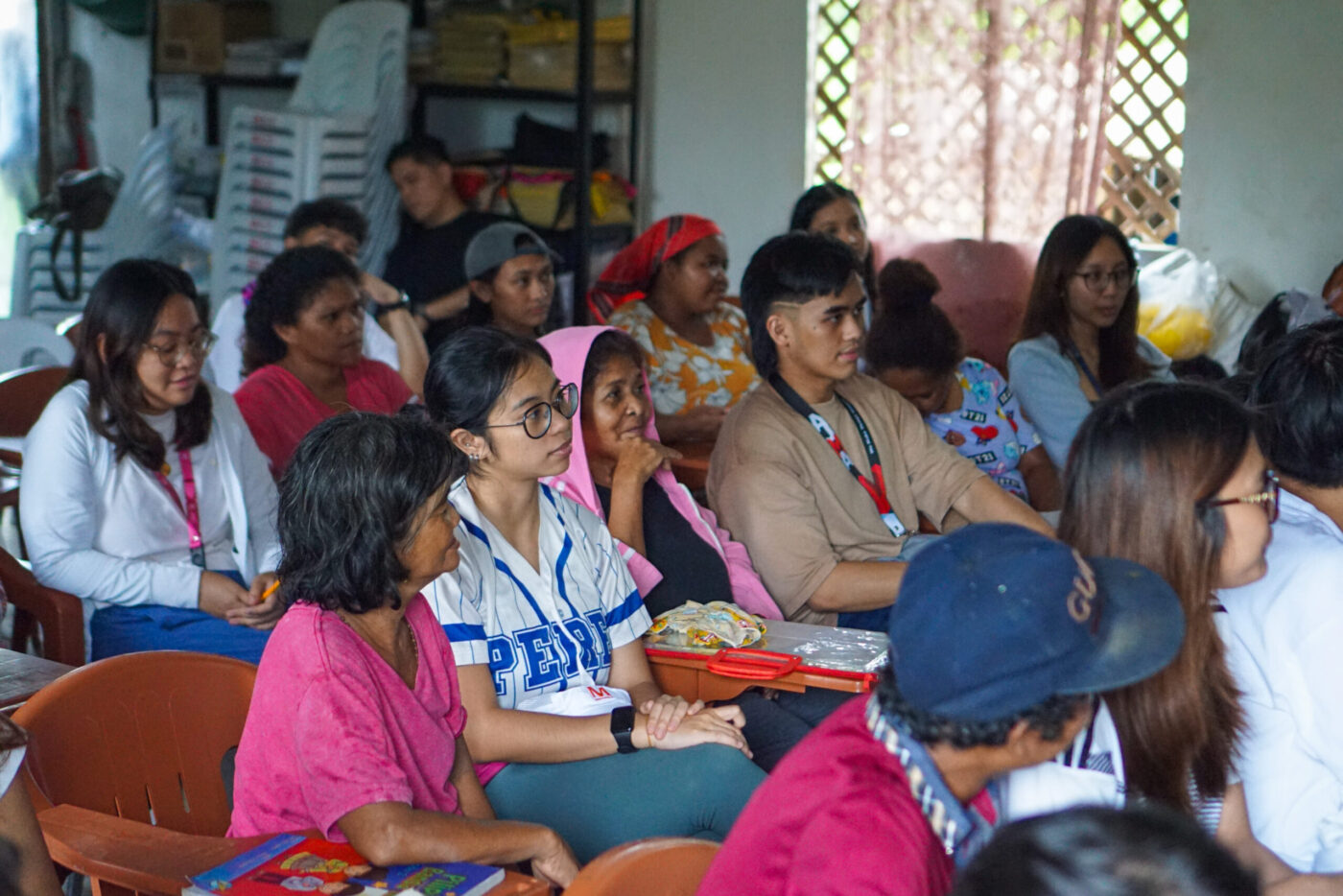
FOLLOWING THE Jesuit’s apostolic preferences, the Ateneo community held its annual Talakayang Alay sa Bayan (TALAB) from October 13 to 31, with the theme “Walking with the Excluded.”
Notably, this year’s celebration centered on Laudato Si’s “Cry of the Poor,” which complements last year’s theme of “Cry of the Earth.”
Visions for TALAB
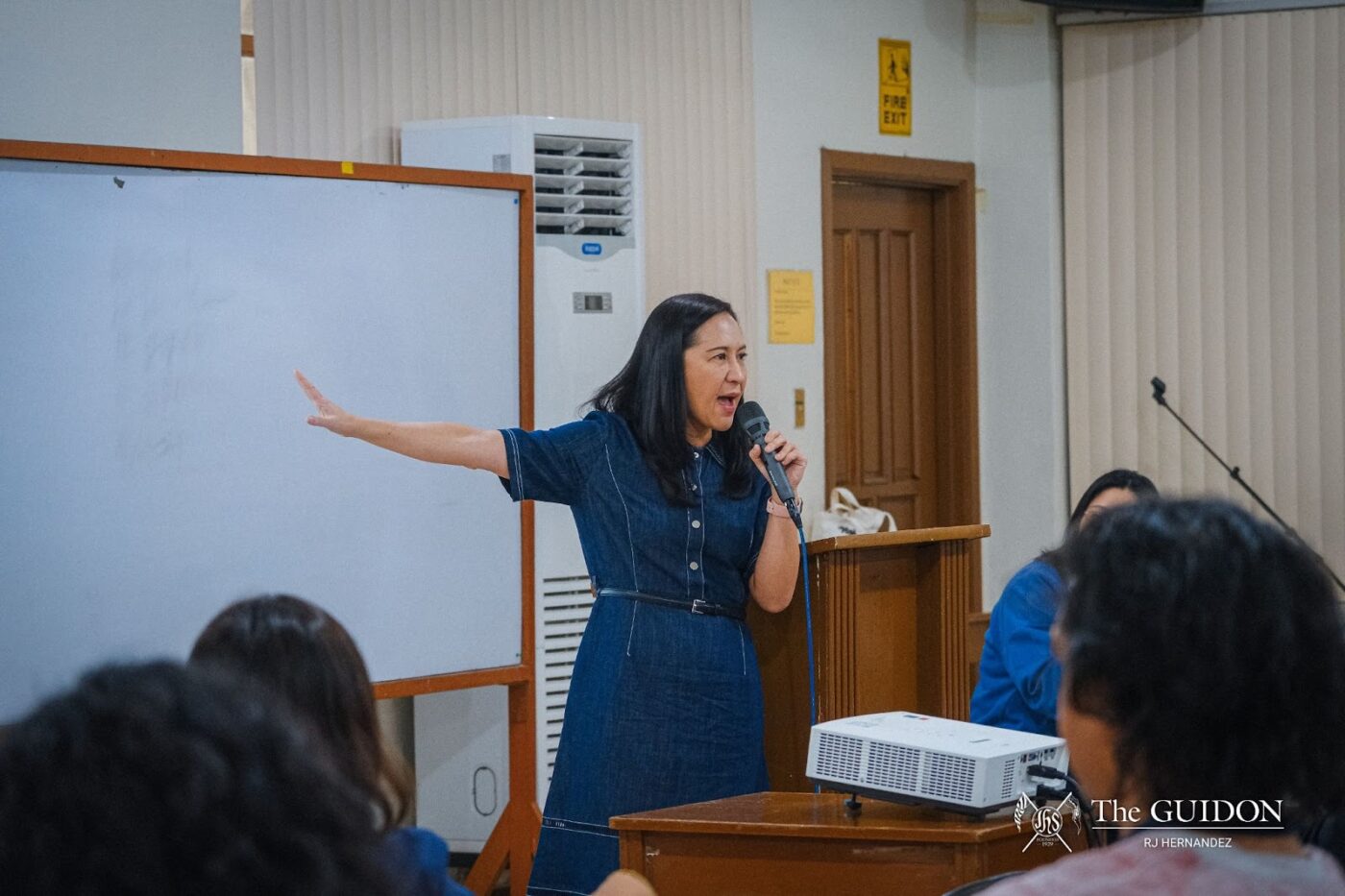
Explaining the theme’s rationale, Assistant Vice President for Social and Environmental Engagement for Development and Sustainability Leland Dela Cruz, PhD said that the current theme aimed to tackle exclusion beyond socioeconomic conditions, such as exclusion based on gender or physical disability.

Adding to this, Council of Organizations of the Ateneo – Manila President Cheska Saturnino shared that this year’s TALAB sought to emphasize the “humane and inclusive” nature of walking with the excluded, while inviting Ateneans to empathize and commit to serving others.
As of writing, Saturnino noted that there were a total of seven trips and 109 TALAB events—a number less than the previous year. In preparing for the events, she shared that there were fewer available venues due to ongoing campus renovations.
Meanwhile, Dela Cruz explained that this year’s TALAB improvements included an earlier trip enlistment than last year. This change was made to allow more time for the issuance of health clearances to participants of outdoor trips.
Walking with the excluded
Sharing his insights on TALAB this year, Lio Abanador (1 BS CTM) hoped that the activities would encourage the Ateneo community to promote a mindset of cura personalis (care for the whole person) and inclusivity.
In line with this, Angelica* believed that walking with the excluded meant practicing empathy and “being human in itself.” Meanwhile, Kristine Sampang (2 BFA ID) highlighted the importance of understanding the contributions of marginalized communities in shaping society.
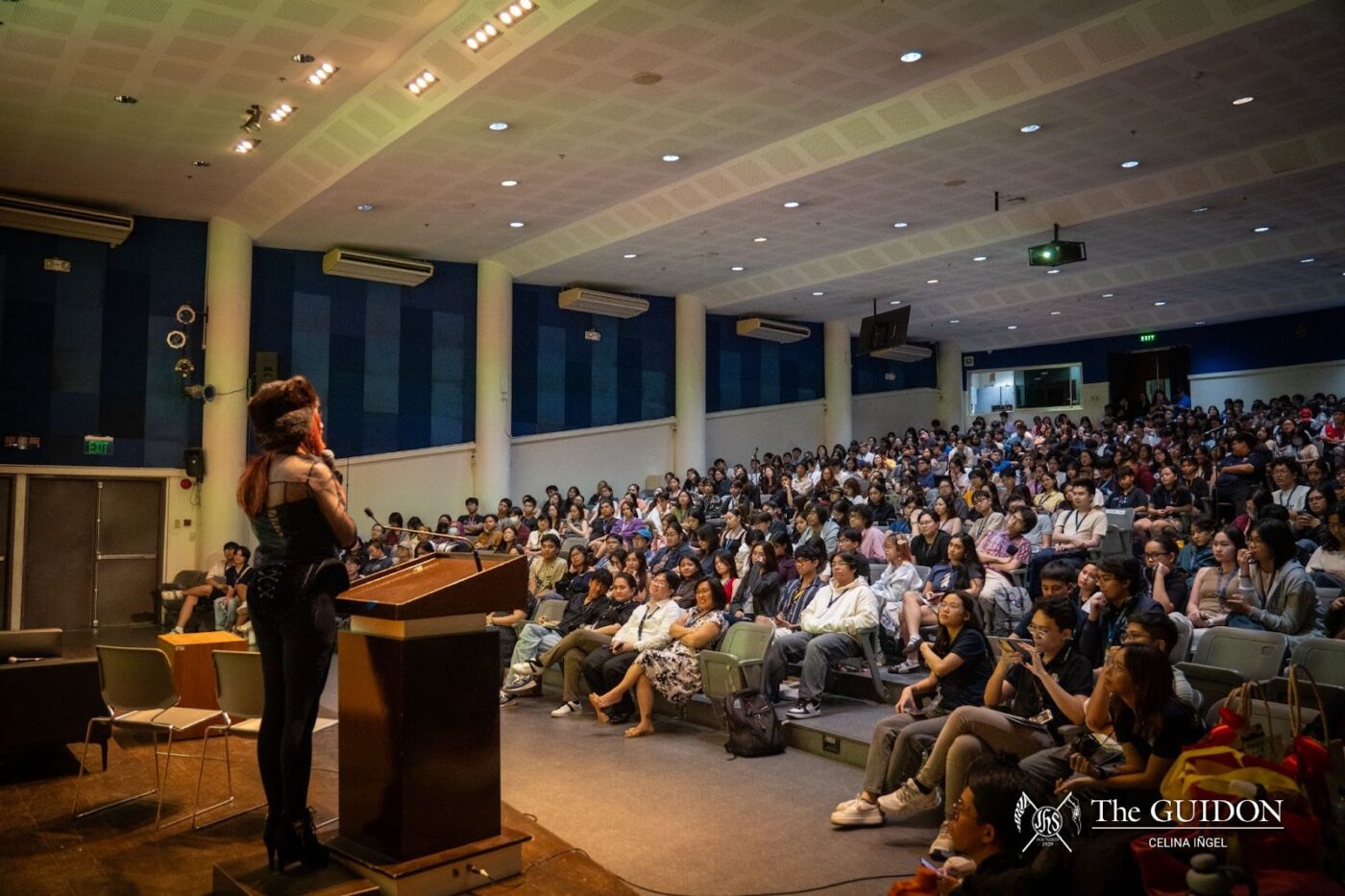
“Even if [people are from] minority groups, it’s important to understand how they significantly impact the way we are and how we are in society,” Sampang expounded.
From a faculty perspective, Ateneo Institute of Sustainability Program Head for Climate and Disaster Resilience Daniel Ratilla hoped that TALAB enabled the Ateneo community to step out of their usual routines and “inhabit the shoes of other people for a change.”
Ultimately, Saturnino shared her aspiration for TALAB to encourage Ateneans to reflect beyond their own experience, underscoring the importance of caring beyond oneself.
*Editor’s Note: The interviewee’s name has been kept confidential to protect their privacy and identity.