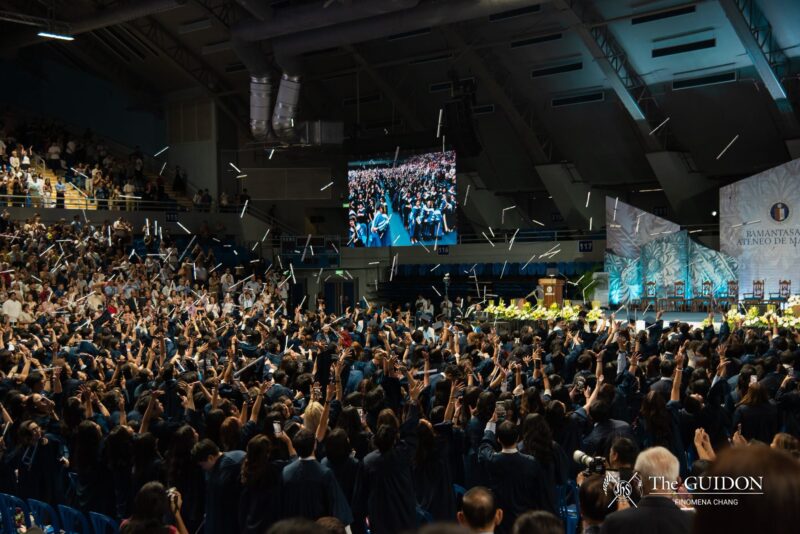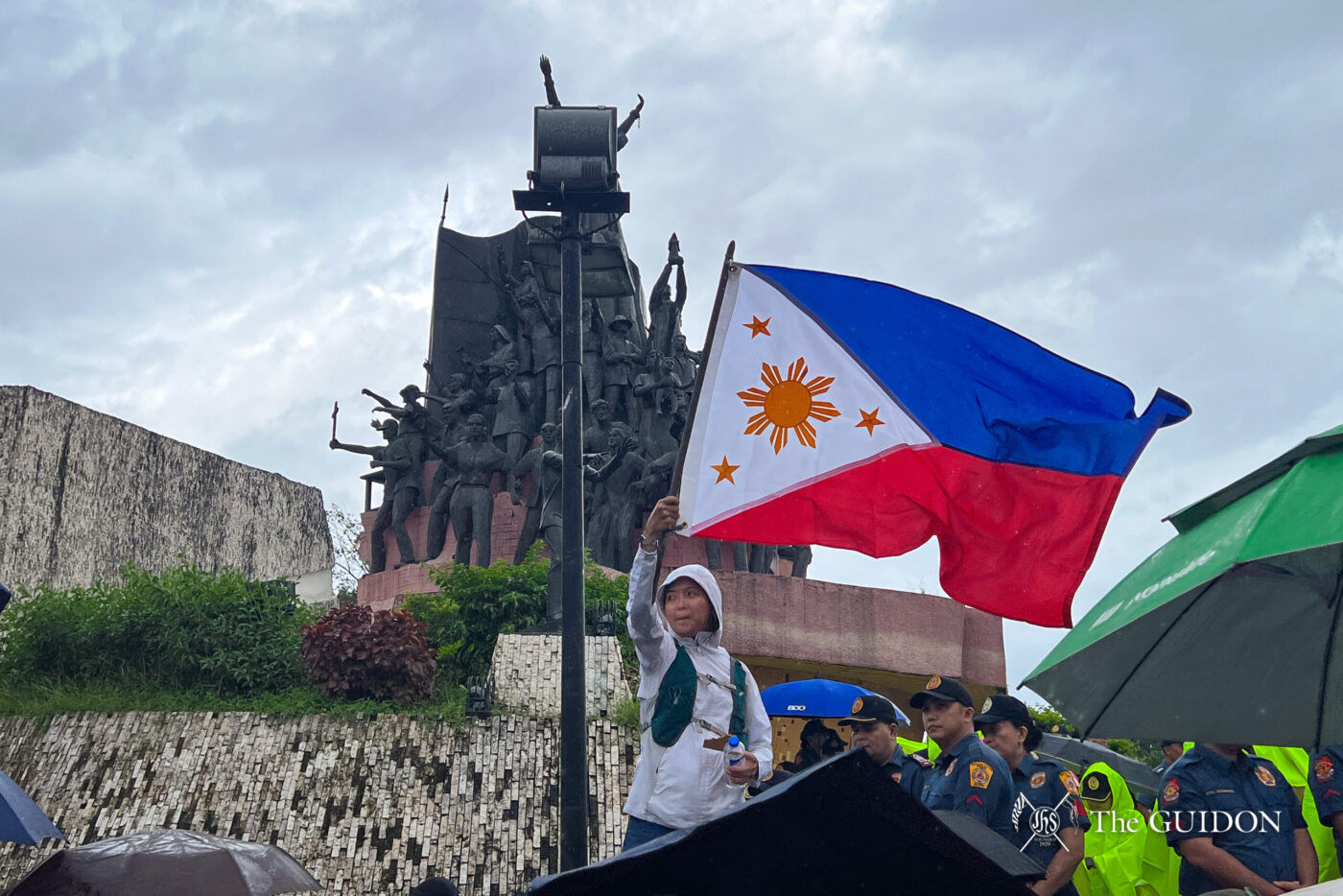
LAST SEPTEMBER 21, the nation confronted its authoritarian past, as thousands of people gathered at the EDSA People Power Monument to demand accountability for the recent flood corruption scandals.
For the thousands who joined, the march was more than just a protest—it was a visible expression of shared anger and resolve. The streets of EDSA became a space where Filipinos could voice their frustrations over the betrayal of public trust, turning collective outrage into action. The Trillion Peso March revealed that democracy is not only a lesson from the past, but a responsibility that Filipinos must uphold today.
Past struggle and present demands
To add historical significance, the organizers deliberately held the rally on the anniversary of Proclamation No. 1081—a reminder of the country’s oppressive past. Thus, the choice to hold the Trillion Peso March at the People Power Monument honors the 1986 EDSA Revolution that toppled the dictatorship and hallmarked the Filipinos’ collective struggle for democracy.
Today, mounting anger over ghost flood-control projects and the misuse of taxpayers’ money has once again pushed citizens to demand transparency and justice.
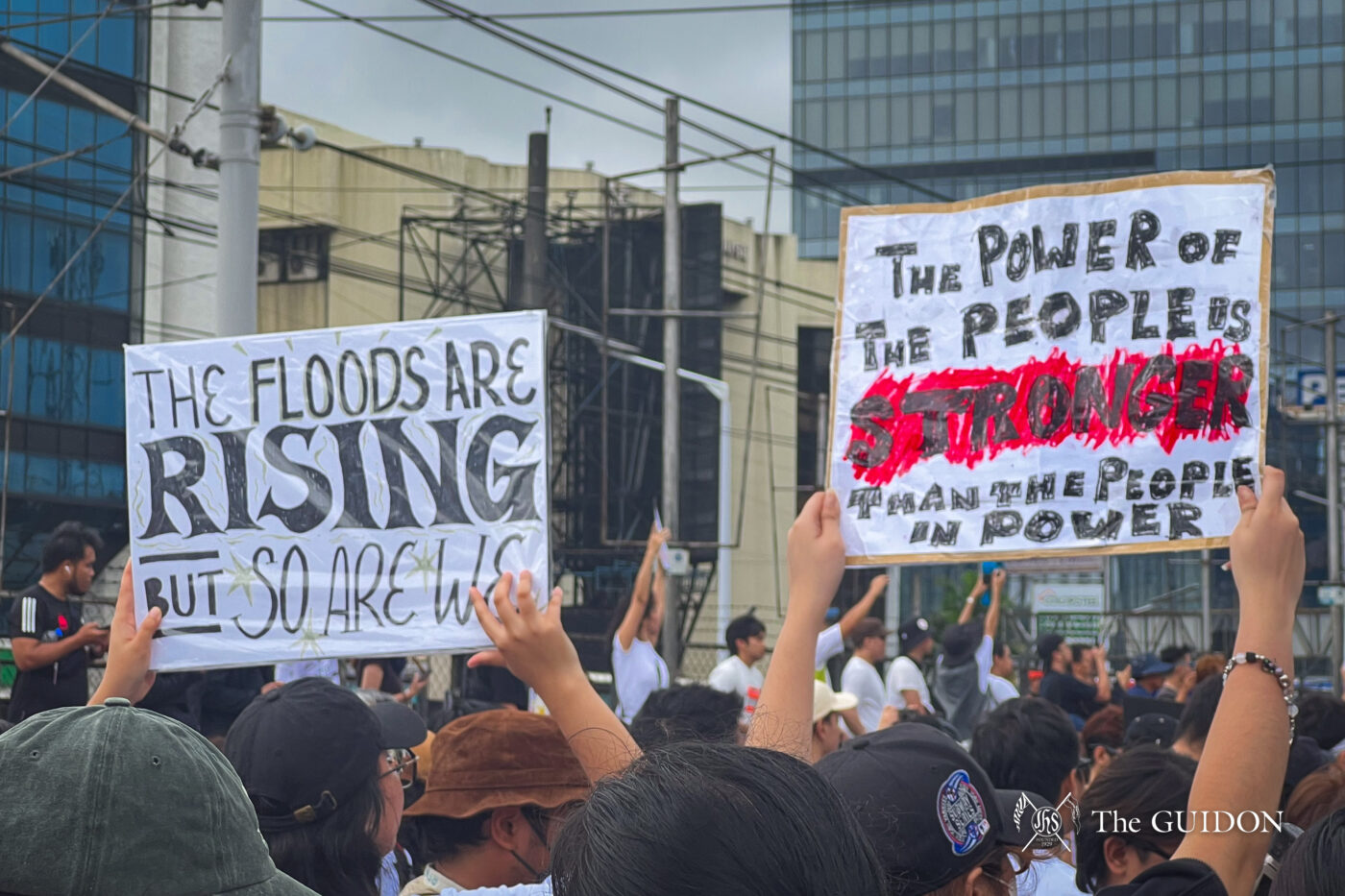
Drawing inspiration from the first EDSA Revolution, civil society groups, youth organizations, church sectors, and other movements filled the streets demanding accountability for the plunder of public funds. The planned protest deliberately links the struggle against the past dictatorship with today’s demands for good governance by using EDSA-style street rallies with symbolic banners and locations, showing that the struggle against corruption continues.
Beyond recalling the tyranny of Marcos Sr. and the legacy of the People Power Revolution, the Trillion Peso March presented itself as a space above partisan divides. Core organizer and political analyst, Kiko Aquino-Dee, explained, “The main thing we’re doing is making it clear that this protest does not support any one political faction.”
He acknowledged that many participants hold loyalties to certain politicians, but emphasized that the central message of the rally was broader than partisan politics. “The goal today is accountability from everyone—Marcos [and] Duterte. We also reject these forces that are hiding behind closed doors and talking about revolutionary government,” he stated.
The Trillion Peso March underscored that democracy means not only remembering the past but also confronting present injustices, as Filipinos once again rose against corruption. This movement cuts across political divides, uniting people to a single principle: no one is above the law. It demonstrated that civic responsibility belongs to every Filipino, not just members of a particular party or ideology.
Facing the storm
Despite the overwhelming support of different sectors in calling for justice and accountability, organizers of the march still faced various risks, including extreme weather conditions and “hijacking” attempts by political players. Rallyists endured strong winds and rain, while others had a heated encounter with the supporters of former President Rodrigo Duterte.
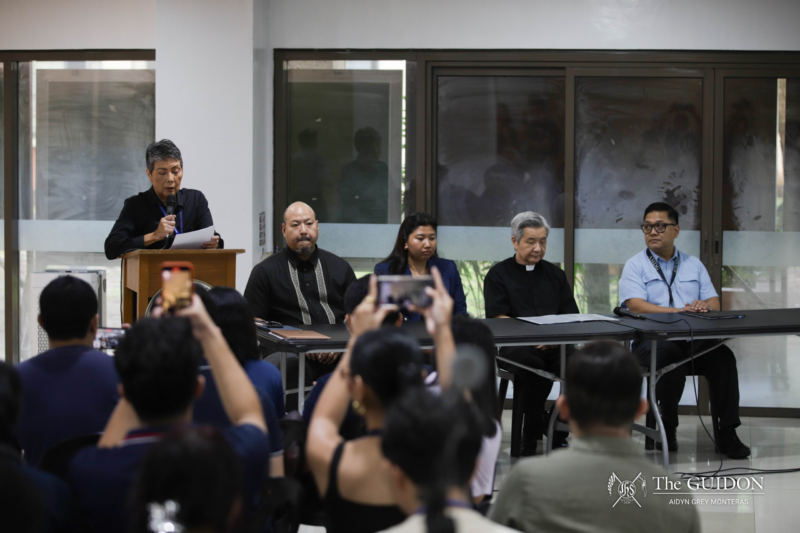
To ensure the safety of all attendees, organizers maintained close coordination with the Quezon City Police Department and the local government. Aquino-Dee affirmed, “Talagang grateful po tayo sa malapit na kooperasyon ng local government ng Quezon City. (We are really grateful for the close cooperation of the Quezon City local government.) […] We’ve mobilized hundreds of marshals to make sure that safety and security will be the top concern, alongside calling out the rampant corruption here today.”
Participants from different sectors also shared their sentiments about the march. Program Paghilom founder and Ramon Magsaysay Awardee Fr. Flaviano Villanueva, SVD expressed his joy for the overwhelming support of students and the faithful, which he considered a measure of success.“Siguro ang dami, secondary lang yon, pero ang lakas ng mensahe na gusto iparinig ng marami—ito yung isang tagumpay at dapat katakutan ng mga corrupt (The number of people, that is just secondary, but the strength of the message called for by the people—that is a victory that must be feared by the corrupt),” he said.
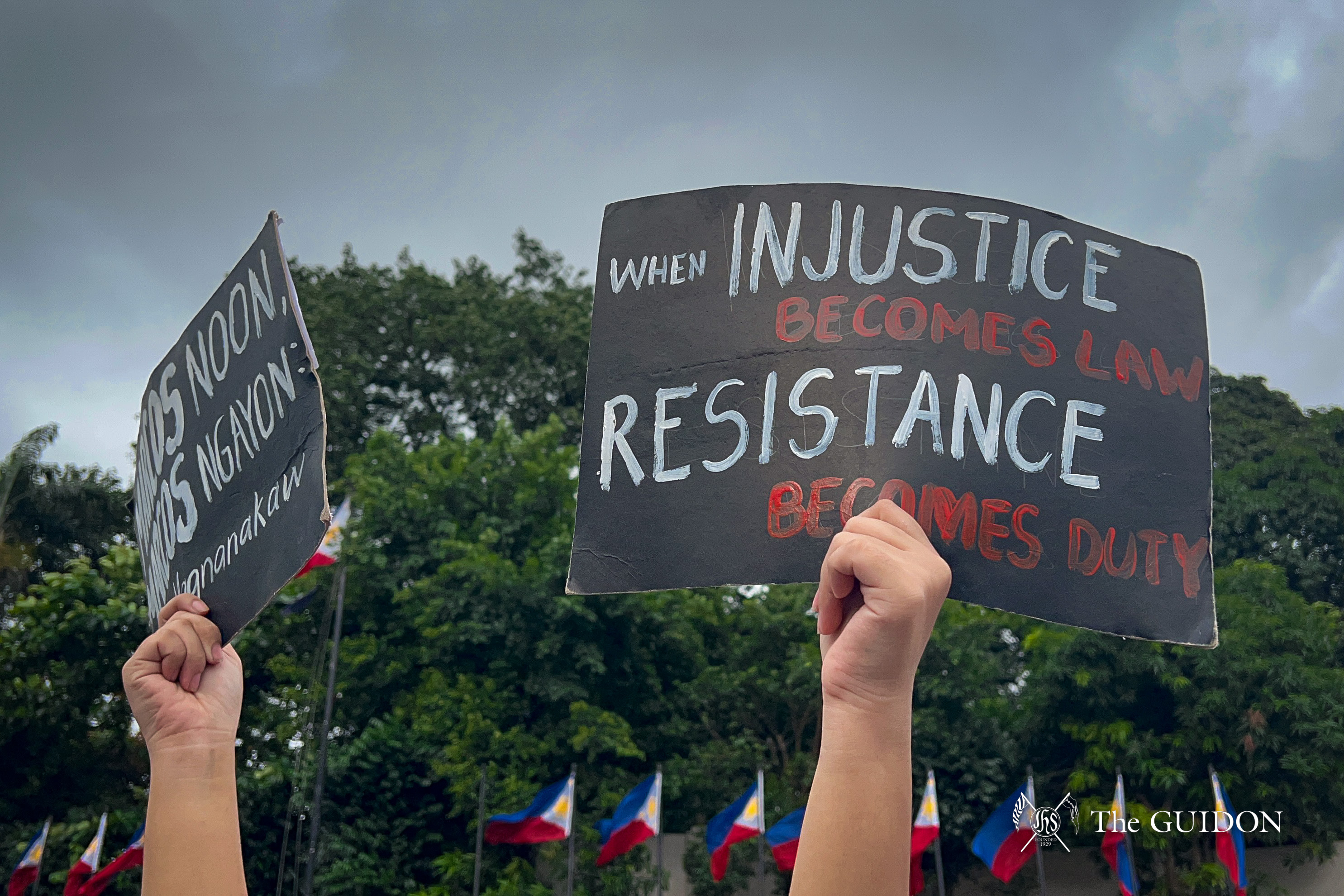
Meanwhile, for Public Services Labor Independent Confederation President and long-time protester Annie Enriquez-Geron, fighting corruption is a duty of the people. She emphasized, “Sa mga taumbayan, laban natin itong lahat. Hindi laban lang ng ilang sektor. Tayong lahat ay apektado ng korapsyon kaya dapat tayo’y manindigan (To all people, this is our fight. This is not only a fight of a few sectors. All of us are affected by corruption, and that is why we must all stand our ground.) ”
In sustaining success
Beyond the crowds that gathered, sustaining success means ensuring that the call translates into accountability.
Aquino-Dee highlighted the need for both legal and political accountability, noting that legal accountability means “cases being filed, names being named, and guilty verdicts.” While he acknowledged that this process will take time under the Philippine courts, political reckoning can happen faster. He argued, “When these names [of corrupt politicians] come out, we don’t need to wait [for them] to be guilty beyond a reasonable doubt to kick these people out of office.”
This vision of long-term reckoning was sharpened by grassroots leaders. According to fisherfolk leader and Ramon Magsaysay Awardee Roberto “Ka Dodoy” Ballon Jr., the public’s anger stemmed not only from a demand for accountability but from the gap between the vulnerable and the powerful.
He characterized the divide in stark terms, stating, “Tayo lumulubog, sila naman nagpapakasasa.” This imbalance, he argued, could only be addressed if contractors, agencies, and their allies in Congress are held liable for the suffering inflicted on ordinary citizens.
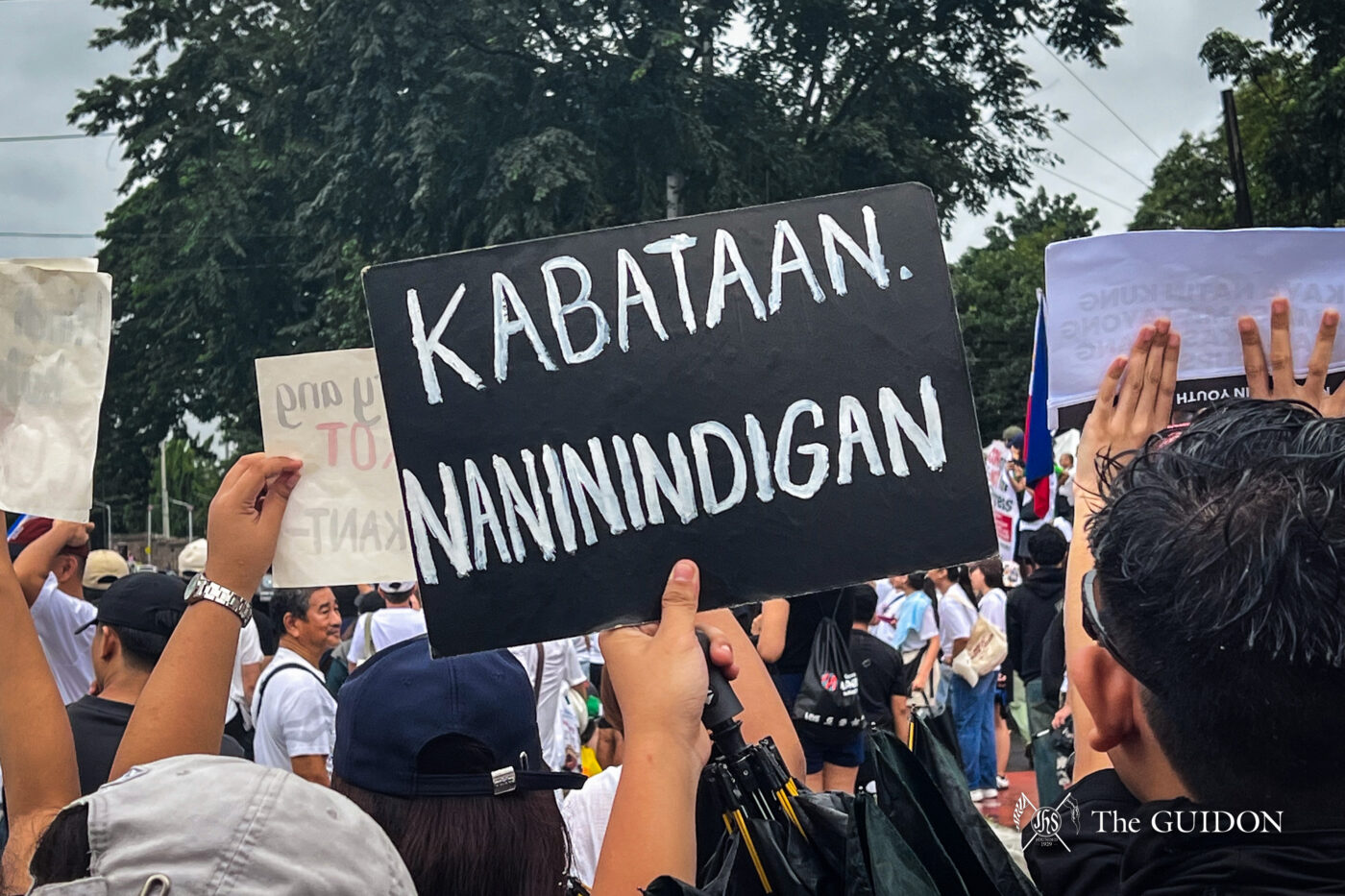
Ballon also stressed the youth’s active role in the struggle. “Tama ang panawagan ng kabataan […] Huwag tayo hihinto dito lamang sa daan. Dapat ituloy-tuloy ninyo ang pakikipaglaban bilang mga kabataan (The call of the youth is right. We should not stop here on the streets. You, the youth, must continue this battle),” he stated.
While Ballon spoke from the raw frustrations of vulnerable sectors, Aquino-Dee asserted that the movement would not end there. “Definitely, I think protests will continue. People are angry, and hindi iyan maabsorb sa isang protest lamang, (that cannot be absorbed in a single protest),” Aquino-Dee stated.
What will define these protests is not their size, but whether that anger endures—carried by the youth, remembered by citizens, and turned into a movement demanding that corruption’s costs be paid.
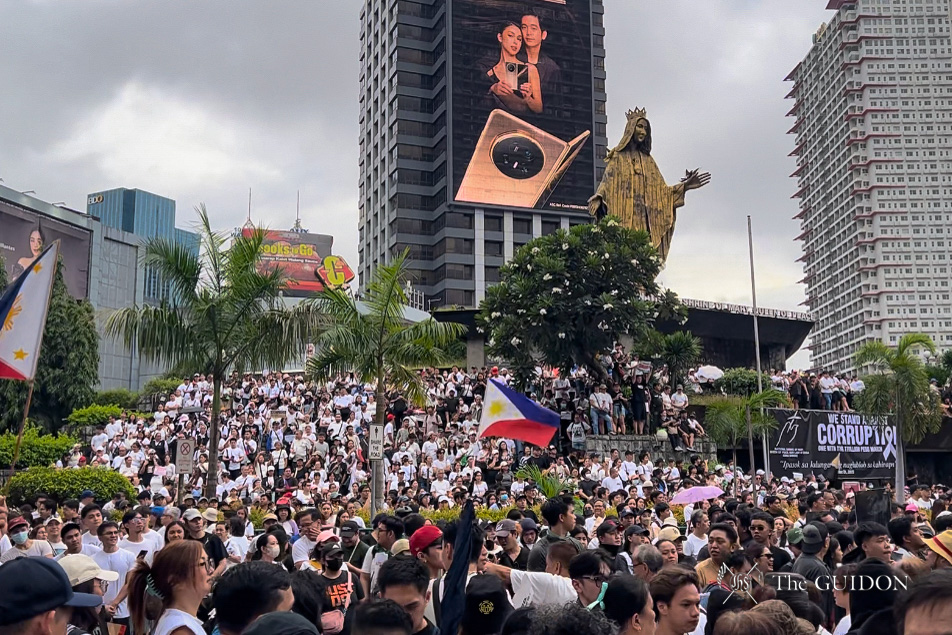
Just as September 21 recalls the struggle against dictatorship, the Trillion Peso March reminds the nation that democracy must be defended not only in memory but in practice. Its power lies in uniting voices across generations and sectors to demand accountability, proving that the fight for justice is the responsibility of all.
In the face of rising tides of corruption, the people’s continued strides keep alive the hope for accountability and lasting change.