AS THE country saw a new spike in COVID-19 cases due to the highly contagious Omicron variant, the Sanggunian Committee on COVID Care and Recovery released on January 17 the results of the COVID-19 Surge Constituency Check to assess the surge’s impact on the student body.
Following the surge, the University administration postponed the return to on-site classes and moved back the onset of the second semester to January 31.
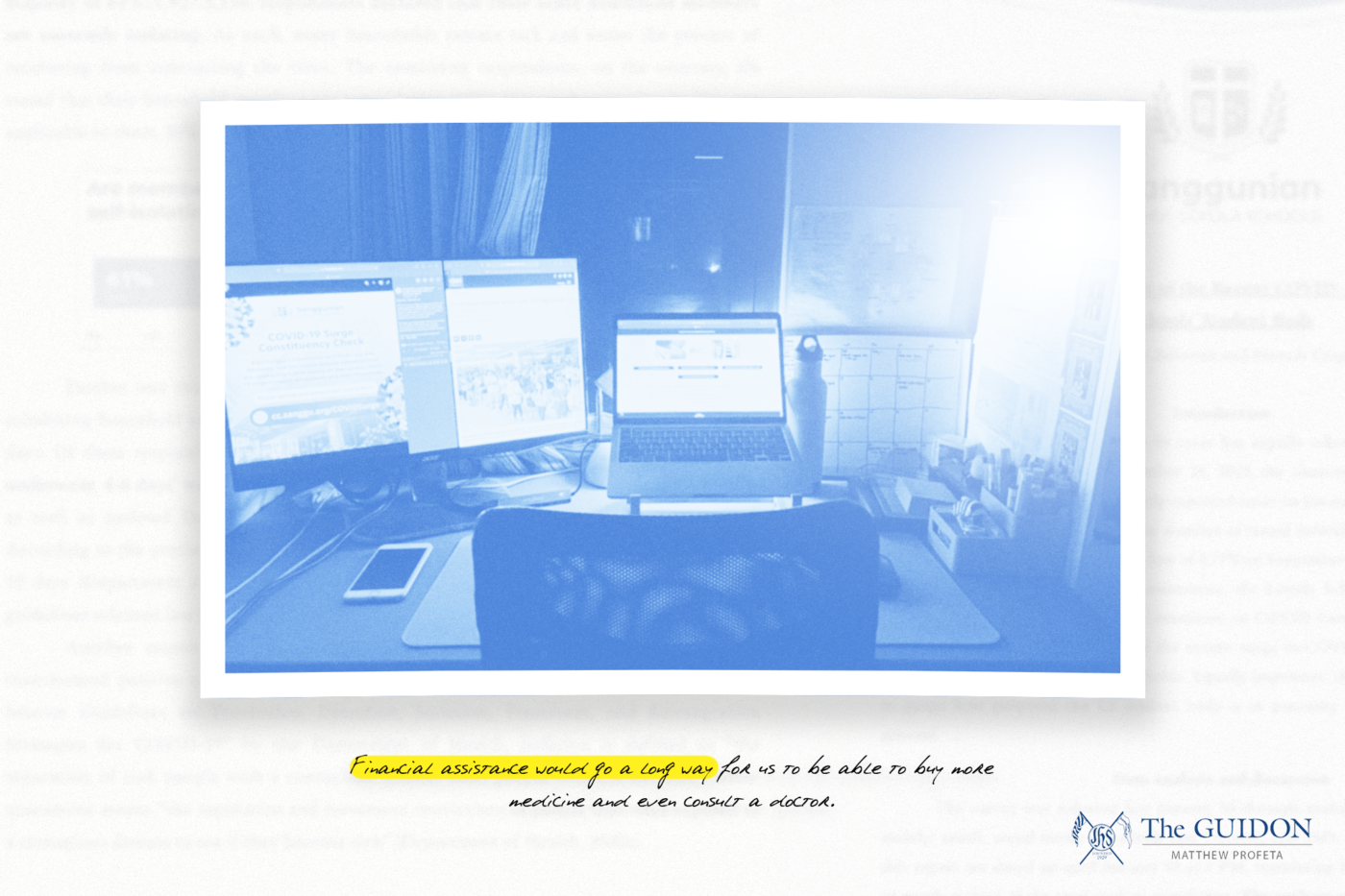
The survey revealed that there were students at risk of contracting COVID-19 as household transmission persisted. This is especially true in Metro Manila, where more than half of the 3,156 respondents currently reside.
Braving the storm
Based on the January survey, 64% of the respondents had at least one household member who experienced COVID-19 symptoms, whereas 45% of the students themselves experienced symptoms. Of those students, 18% tested positive for COVID-19 while 27% were unable to get tested.
Among the respondents whose family was heavily impacted by the Delta variant in September is Ruby*. According to her, she faced the constant worry of contracting Omicron as her mother tested positive again after recovering. “Reiterating that we have senior and infant members in the family, the trauma has once again resurfaced due to the surge,” she shared.
The surge also took an emotional toll on Max*—an Institute of Social Order Residence Hall resident—and his family as they were forced to continue communicating digitally. Max shared that he has been unable to go home since the beginning of the pandemic but will try to do so after he graduates.
A new chapter
Although 39% of respondents said they were capable of academically performing despite experiencing COVID-19 symptoms, the Sanggunian noted that only one percent of this number confidently declared this.
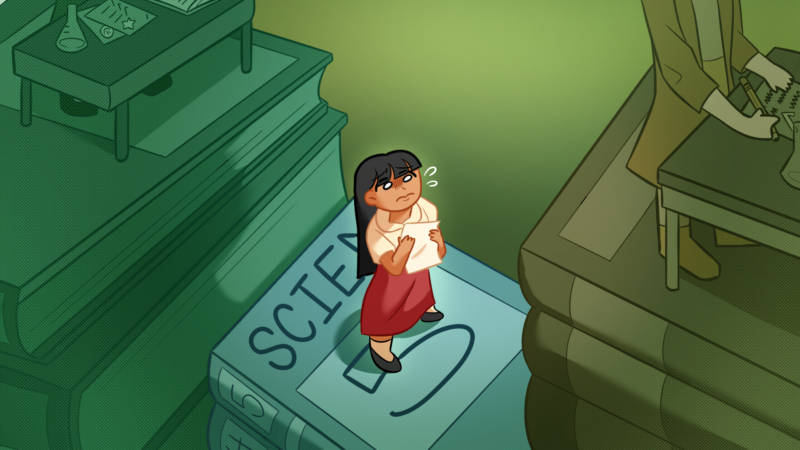
Returning for the new semester after taking a Leave of Absence, Ruby shared that a break from the stressful online learning setup allowed her to self-assess and muster the readiness she hopes will be “enough” to last her a whole semester.
Conversely, Max stressed how the limitations imposed by COVID-19 greatly affected students’ academics. While gearing up for his flex on-site class, he hopes that seeing people on campus can boost him to do better this semester.
Max also remarked on the survey as only around a third of the students responded to it, thus failing to assess the entire student body. “[Constituency checks] lack a great number of responses to see the big picture of the totality of the student body,” he said.