AN INFORMED and active citizenry may be the only way to reduce anomalies in the 2010 elections.
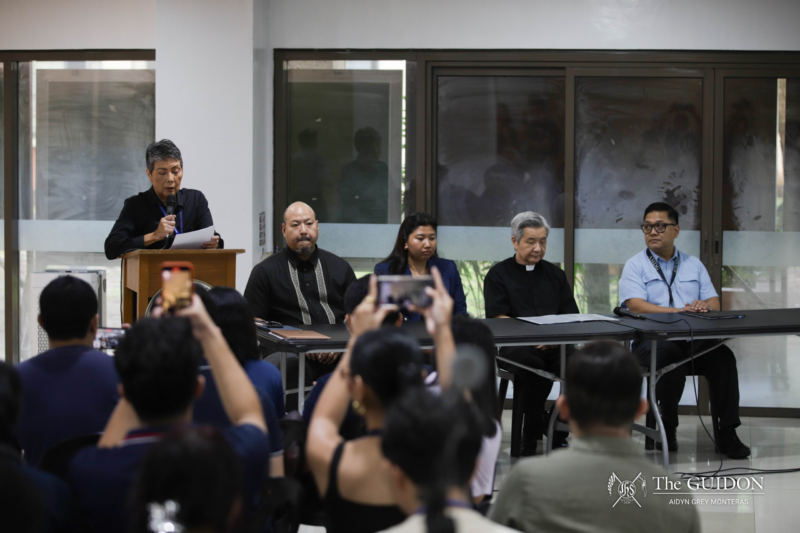
This is why The Assembly held “PoliTalk: A Forum on the Automation of the 2010 Elections.” Automation in 2010 has several implications in mobilizing forces, forming alliances, and forging strategies for critical citizenship, said The Assembly President Ross Tugade.
“The automation demands a radically different response for the people so we have to educate them about the pros, cons, and prescriptive modes of responsible citizenship in relation to a different electoral climate,” she said.
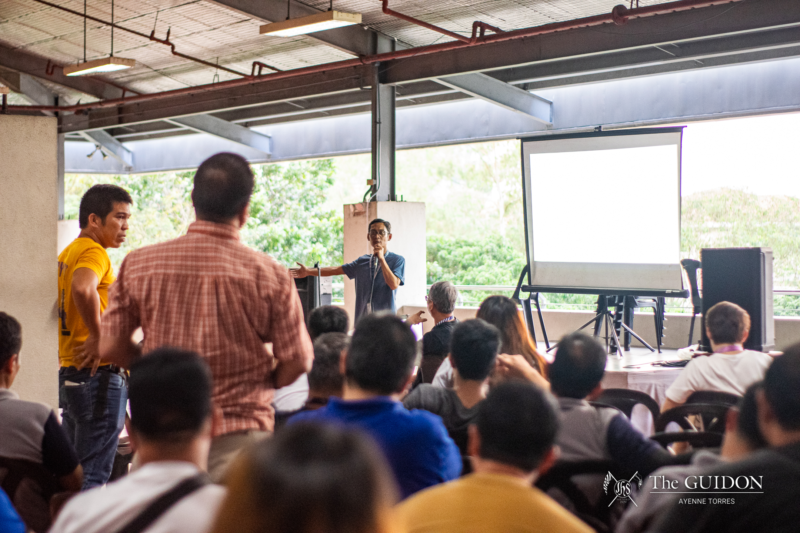
Consortium on Electoral Reforms (CER) Representatives Andie Lasala and Jeremy Nishimori discussed the technical and social aspects of the automation, in the forum held September 14 in the Leong Hall auditorium.
Voters’ choice
According to Lasala, although automated elections would be “faster, [provide] slim time for cheating, and would make it easy to trace cheaters,” Filipinos may have a difficult time learning the new system. However, the people involved are still more important.
“Automated or not, the key to a credible, fair, and free election is citizen participation,” said Lasala. “This [can be only attained] through registering, voting, and ensuring the whole process is correct.”
Sophomore Maica Jingco, who attended the forum, agreed. “Maybe poll automation is a factor to reduce the anomalies but what our country really needs is honest people, people with principles and government leaders who are not corrupt.”
Increased credibility
According to Lasala, the 2010 elections will utilize battery-operated Precinct Count Optical Scan (PCOS) machines that can last up to twelve hours. A Board of Election Inspectors (BEI) has also been assigned to assist voters in using each machine.
Nishimori said that the automation promotes transparency. “It demonstrates that the Commission on Elections (Comelec) can function as a modern democratic institution and that it can manage and facilitate credible and orderly elections.”
He enumerated the most common forms of violations during the elections, which include tampering with the list of voters, manipulation of precinct clustering, vote denial, vote buying, and manipulation of election paraphernalia.
All these are addressed by the automated elections.
“[Automated elections] would minimize human intervention in precinct counting and municipal, city, provincial, and national canvassing,” said Nishimori. The electronic transmission, which supposedly lasts two minutes, limits opportunity for fraudulent interventions.
“Ang automation ay para magbawas kamay at magdagdag mata (The automation is to reduce hands and to increase eyes),” he added.
Faster
Senior Miguel Aurelio, who attended the forum, said that the automated elections may prevent cheating but only in the short term. “In the next elections, it is possible that people may find ways to crack the codes.”
Lasala emphasized that the automated elections are not “an end-all or cure-all, but just for speed up.”