The English Department is the highest earner in the Loyola Schools’ (LS) first waste trade fair, conducted in Katipunan Avenue on November 22. The fair is part of the recent wave of environmentalism campaigns in the Ateneo, which includes Bring Your Own Baunan (BYOB) and Clean As You Go (Claygo) in the college cafeteria.
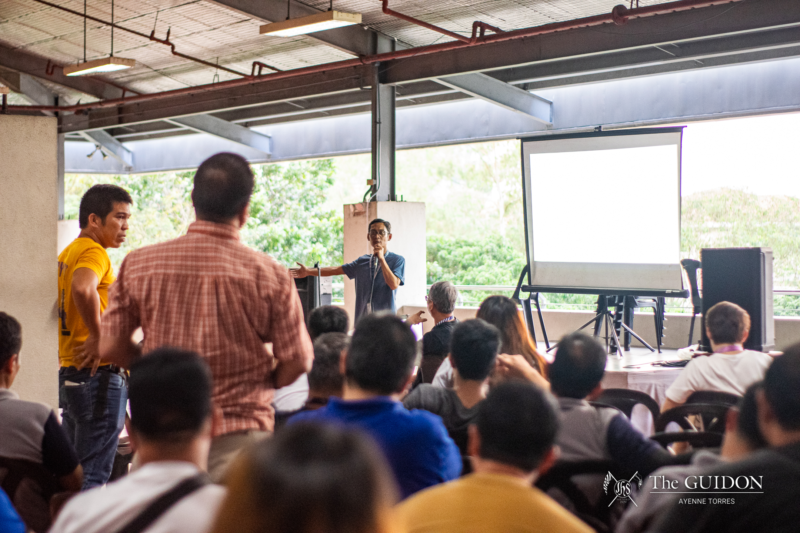
LS departments and offices earned a total of P20,063.75 for participating in the waste trade fair. The fair ran from 8 am until 3 pm between Gates 2.5 and 3, and was organized by the Ateneo Environmental Management Coalition (AEMC) and the Environmental Science Society (ESS).
Other men’s trash
Since October, different departments were notified about the fair by the office of the Vice President. The departments and offices specified the kind and amount of trash they would sell.
On the day of the waste trade fair, a truck went around campus picking up the different wastes consisting of plastic, paper, and electronic wastes.
Walk-in students and parents also participated in the waste trade fair. Empty ink cartridges and non-working electronic and electrical appliances were some of the wastes sold, but paper wastes had the most quantity.
“Surprising doon sa (What was surprising about) what happened…[was that] a lot of students drove in with their own cars. One student brought in one L300 [van] full of paper wastes from their home office,” said Cid Leandro Jacobo (III AB DS), project head of the waste trade fair.
“There were enough students who came from such short notice,” he said. Eventually, the collected paper wastes filled a 6-wheeler truck.
According to participant Cherryl Si (III AB DS), the fair was successful to the extent that some of the parents who walked-in said the fair should expand to accommodate communities outside Ateneo like Xavierville and La Vista.
Another man’s treasure
The waste trade fair was the pilot project for other fairs that AEMC and ESS will organize in the future.
“I think it’s a hopeful time that the Ateneo is imbibing this culture of environmental responsibility, not just in the cafeteria,” said Environmental Science Lecturer Abigail Favis, one of the waste trade fair’s project heads.
“I want the students, the faculty and staff to see that being environmentally responsible is not always inconvenient and difficult. It can also pay off,” she said.
Favis added that an annual recycling fair, if considered, will be successful because there will be enough time to accumulate trash.
Jacobo said the organizers are willing to host another fair by February or the end of the school year.