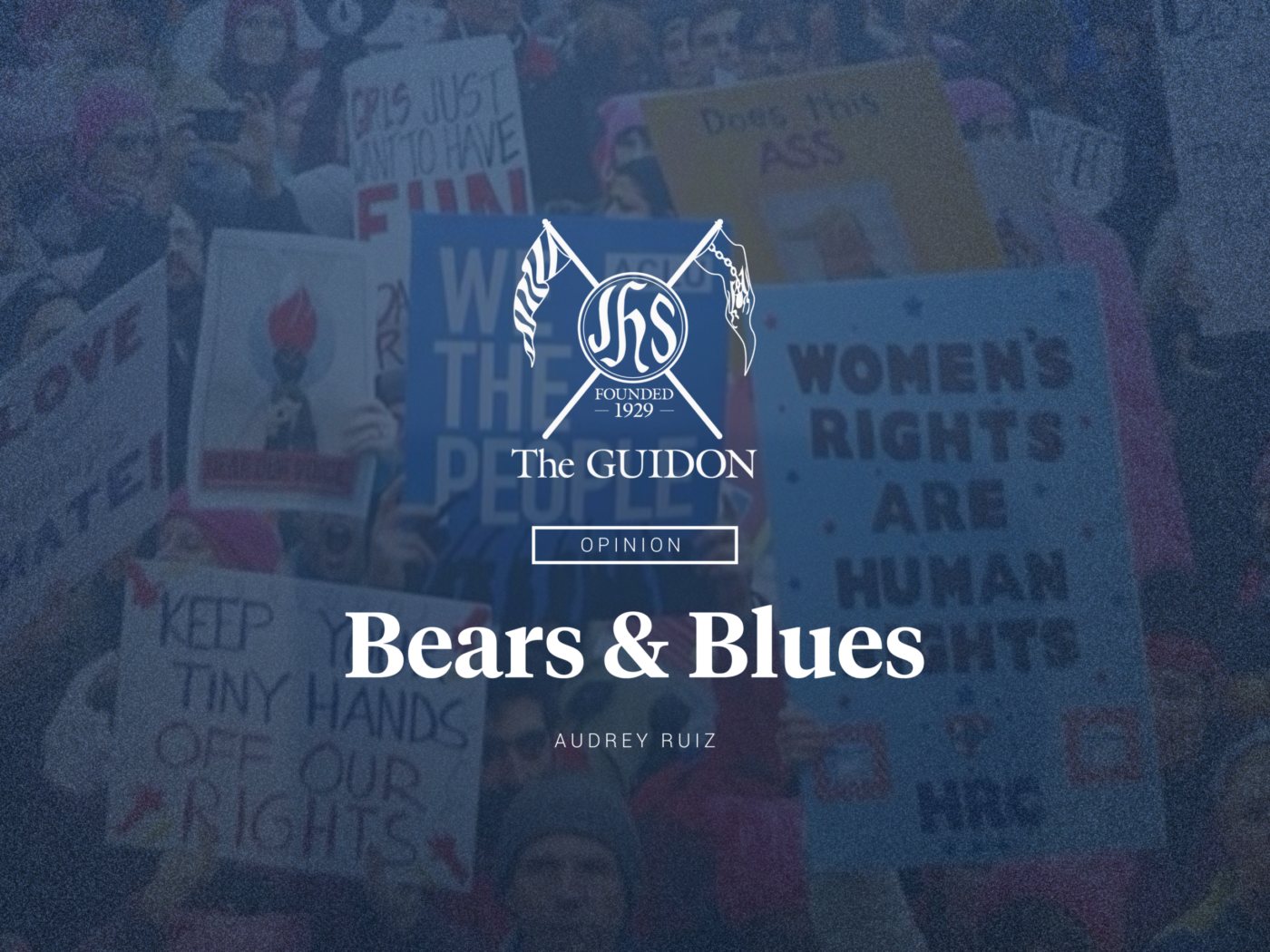
IT REQUIRES a rare kind of persuasion to show that the true beauty of a woman does not rest in the curve of her figure or the sculpture of her cheekbones, but in a mind bold enough to position itself above the heart. Oftentimes, this persuasion must pierce not only the society before us, but also the very minds of women themselves.
For generations, patriarchal standards have defined femininity through silence, softness, and self-sacrifice. These expectations seep inward, leaving women to question their own worth and capabilities, and to accept a version of themselves shaped by compliance. It is from this mind conditioning that internalized misogyny grows: a quiet but persistent belief that women are inherently less.
As time passes, this belief becomes increasingly normalized. Today, typical jokes on “marrying a rich man” or “I’m just a girl” may sound harmless, but beneath the humor lies a strain of toxic femininity that expects women to dilute themselves. This quiet self-degradation has woven itself into modern culture, pulling women back to the very starting point of feminism.
This regression is also accompanied by the influence of the media as it reshapes public perception and alters feminism across platforms such as Tiktok.
What once began as an act of protest for equal rights has now shifted into one of “man-hating,” where aggression is moving solely toward the opposite gender. As famous slogans like “I hate all men” begin to perpetuate conversations and social media discourse, hostility is then misplaced and feminism is misunderstood.
The attack on the male gender, though with the intent to assert female dominance, is starkly built on mislaid anger. Feminism does not aim to derogate males, rather it advocates for women to be on equal footing by breaking gender barriers to opportunity and respect.
However, as these notions get twisted, the “man-hating” definition solidifies, while the pursuit of equality withers. This misconception overshadows the essence of feminism, reducing it to a media trend instead of a call for justice.
This flawed narrative also minimizes women to stay-at-home stereotypes and limits their professional expectations, stripping them of the individual recognition they deserve. As this narrative cements itself deeper into social structures, women fall further into the cycle of self-doubt and internalized misogyny.
Yet if we remain faithful to the advocacy of feminism instead, these blurred lines will reveal that the true enemy has never been men, nor the women who struggle under internalized sexism. Rather, it is the patriarchal system that has been built to minimize women into a pretty face or big heart.
Nonetheless, it must be emphasized that women remain more than the limitations placed upon them.
Women are souls and minds with talent and power, capable of leading, loving, failing, and rising again. We are beautiful and intellectual beings who are excruciated with the burden and gift of birthing life into a world that is too often unkind to her own.
A woman’s potential therefore should be defined by the boundless strength and intellect that persist beyond conventional expectations. In recognizing this, we reclaim the dignity and equality that feminism has always sought to protect.
Audrey is an AB Literature (English) sophomore expecting to graduate in 2028. Specializing in English Literature, she integrates her knowledge of literary pieces with her grown affinity for journalism—amplifying calls for feminism, animal rights, and freedom of speech.
Editor’s Note: The views and opinions expressed by the opinion writer do not necessarily state or reflect those of the publication.