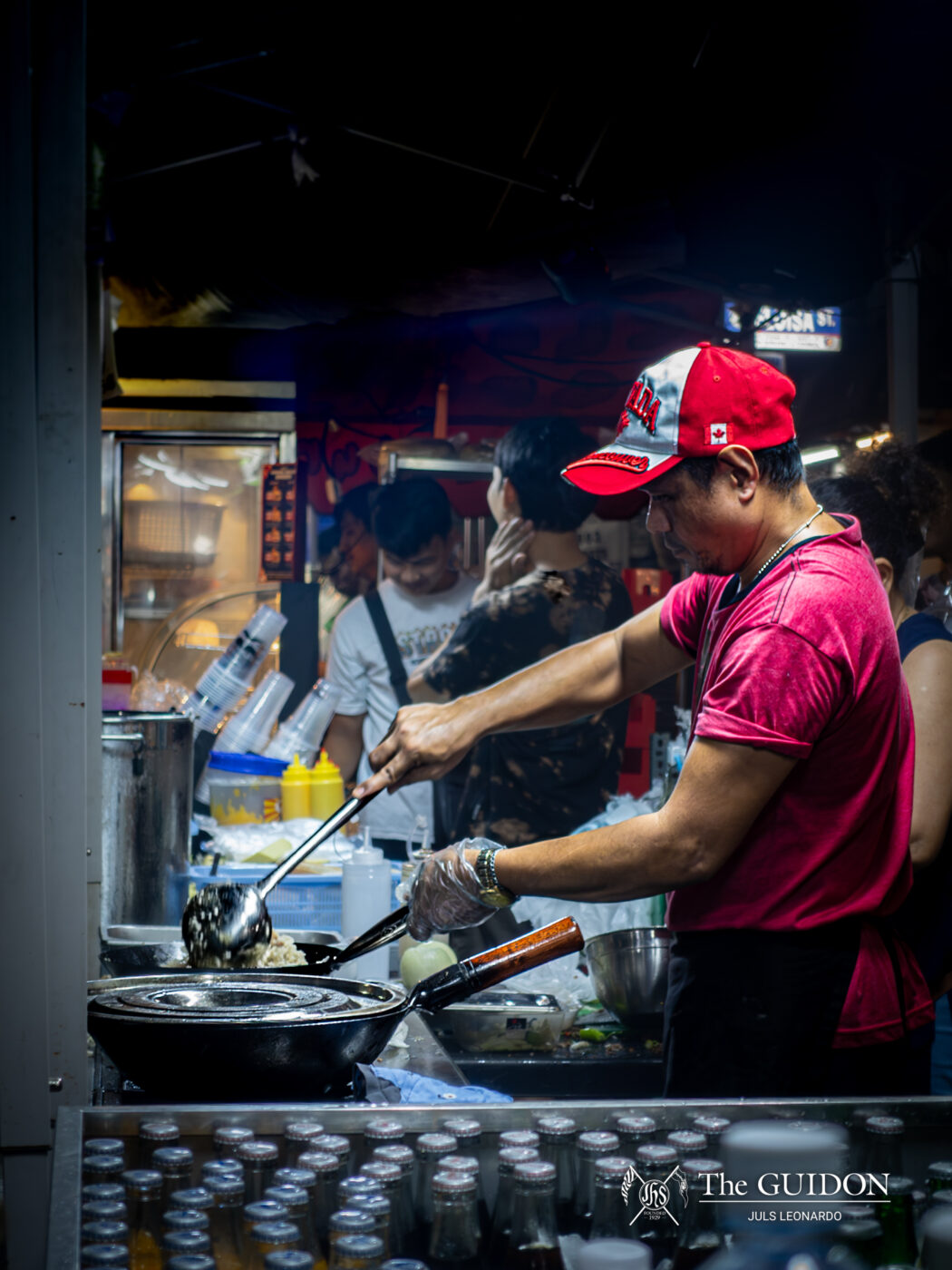
LONG TREATED as peripheral figures in the informal economy, street vendors have begun pushing themselves into the political spotlight. Daily struggles for survival have transformed into a collective demand for power and recognition amid deepening economic hardship and state neglect.
Street vending is an act of survival for the urban poor. In Metro Manila, thousands of vendors crowd the sidewalks to provide affordable food and goods. Over a third of street vendors earn Php 500 or below daily and often operate without legal protections in the informal economy. Yet, this space of economic resilience is becoming increasingly risky due to inflation and politicization.
Although headline inflation remained relatively low in 2025, food prices of essential goods surged, especially for the bottom 30% of income households: cooking bananas, oil and fats, seafood, and vegetables experienced inflation ranging from 6.6% to 14.2%. These costs often translate into fewer profits for vendors and higher prices for consumers who are struggling themselves.
Additionally, vendors face victimization from the “clean city” agenda. Local governments have reportedly launched clearing operations, such as the Zero Vendor Policy in the City of Manila, starting last July. Under these operations, vendor carts are confiscated, sometimes without due process. Officials justify this as “necessary to maintain [public spaces],” but affected street vendors are offered few alternatives, effectively displacing them.
These existing struggles of vendors led them to co-participate in mobilization movements calling for better governance and an end to corruption. The September 21 and November 30 Trillion Peso Marches, for example, filled the streets with street vendors and customers, among other groups.
However, marches are only one form of resistance, as attempts at political representation for street vendors have increased in recent years. Examples include cooperatives, such as the Baclaran Vendors Development Cooperative, focused on loans, community, and management services to assist vendors financially. Some citizens also ran for public office in the 2025 Midterm Elections: Alvin Karingal, who went viral as the “Fishball Guy,” ran for Manila City mayor, and Deo Jarito Balbuena (“Diwata”), ran as a Vendors Partylist representative.
In response, local government units have broadened their response to the street vendors’ demands, exemplified by Pasig City’s distribution of permits and carts to “regulate” their operations. Public perception has mostly been positive, noting that this integration helps vendors legitimize their business and allows them to build connections with local communities and their governments.
As inflation and regulation continue to reshape the country’s informal economy, vendors are redefining ordinary acts of survival into collective expressions of dissent. Urban streets have become spaces of both labor and political expression, serving as visible reminders of the communities that policy often leaves behind.