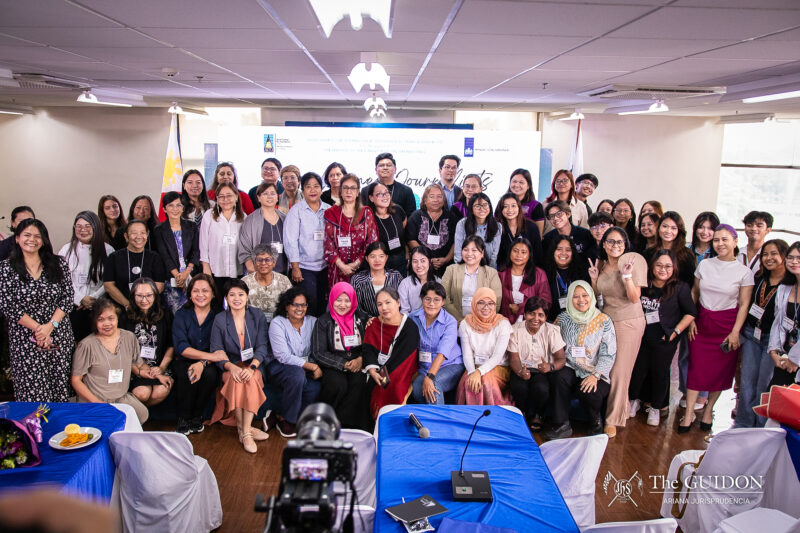
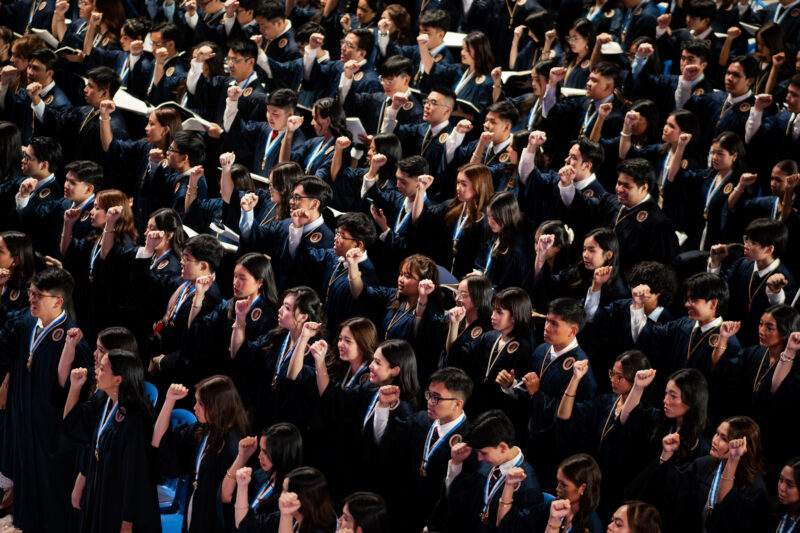
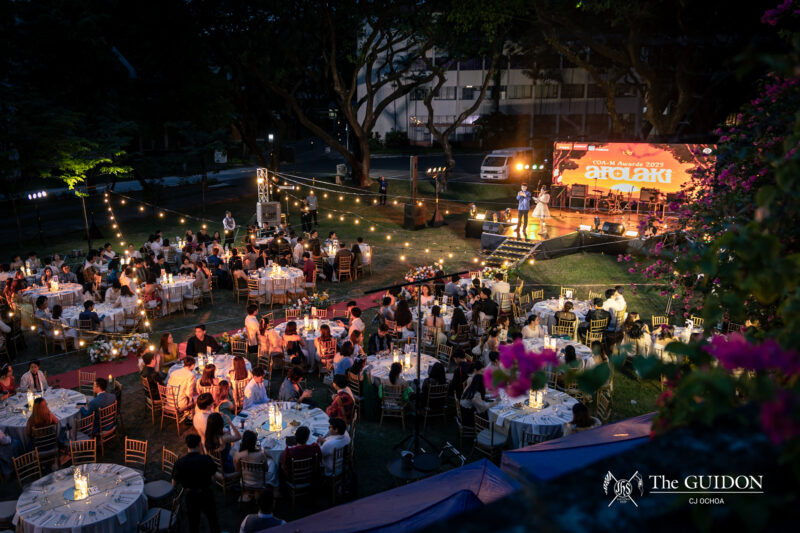
TO STRENGTHEN ethical and human rights-sensitive reporting for campus publications, the Ateneo Human Rights Center (AHRC), in partnership with the Friedrich Naumann Foundation, gathered student journalists nationwide for the “Rights in Focus: Human Rights in Campus Journalism Summit 2025” on December 6 at the Ateneo Law School.
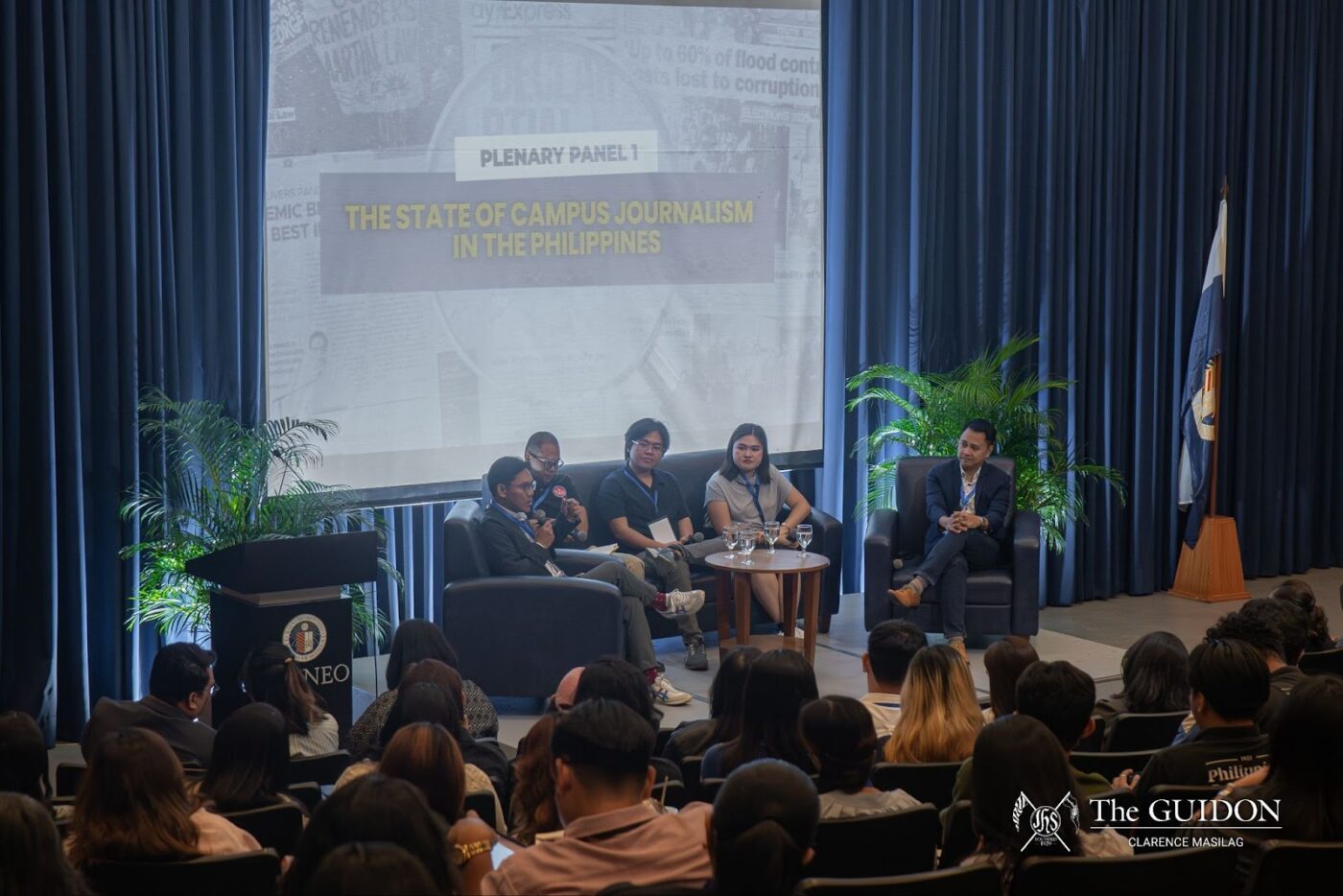
Explaining the goal of the summit, AHRC Executive Director Atty. Nicolene Arcaina hoped that journalists would see the event as an opportunity for reflection on the importance of human rights reporting and their commitment to press freedom.
The summit featured talks, panel discussions, and workshops aimed at equipping campus journalists with the knowledge and skills relevant to reporting with sensitivity and consideration of human rights.
The workshops, in particular, focused on specific dimensions of human rights-sensitive reporting, namely ethics and laws in campus journalism, digital security for journalists, and fact-checking.
Notably, the summit also included the ceremonial turnover of the Human Rights Primer on Campus Journalism, which reaffirmed AHRC’s and its partner publications’ vision of a media that “holds human rights in the highest regard.”
Upholding human rights
To set the context, AHRC Internship Director Atty. Katrina Blanco provided a nationwide human rights situationer, which highlighted the corruption related to flood control projects. She also cited instances of persistent human rights violations affecting marginalized communities, such as workers facing unjust labor conditions, farmers denied access to ancestral land, and women experiencing constant gender-based violence.
Blanco also noted national trends that heighten the risks for student journalists, including intensified red-tagging and surveillance to growing threats of cyber libel, as well as harassment in the field.
With these challenges in mind, former Al Jazeera Network correspondent Jamela Alindogan underscored the crucial role of campus journalism in defending human rights during her keynote speech.
She recounted how her journey as a journalist had shaped her into an advocate for human rights—from being a sports writer in her student publication to covering crises like Typhoon Yolanda and conflicts in Nigeria, Indonesia, and Ukraine.
Drawing from these experiences, Alindogan stressed that today’s journalists face broader problems of media censorship, lack of funding, disinformation, and harassment, highlighting the need for their safety and protection.

In the face of these problems, Alindogan urged campus journalists to center human dignity in their reporting by amplifying the voices of marginalized groups. She further affirmed that campus journalism is a mission to defend truth, human rights, and democracy by holding institutions of power accountable.
“Focus on minority stories and always side with the oppressed. Be brave because fear is the first weapon [others] will use against you. […] Be relentless because power survives only when you surrender […], and be compassionate because that is how we remain human in a world that profits from our numbness,” Alindogan asserted.
Following Alindogan’s discussion, two panel discussions tackled the current context of campus journalism in the Philippines and the processes and principles of reporting with a human rights lens, respectively.
Concrete outlook
As the summit wrapped up, participants shared their reflections and takeaways on the discussions about campus journalism and human rights reporting.
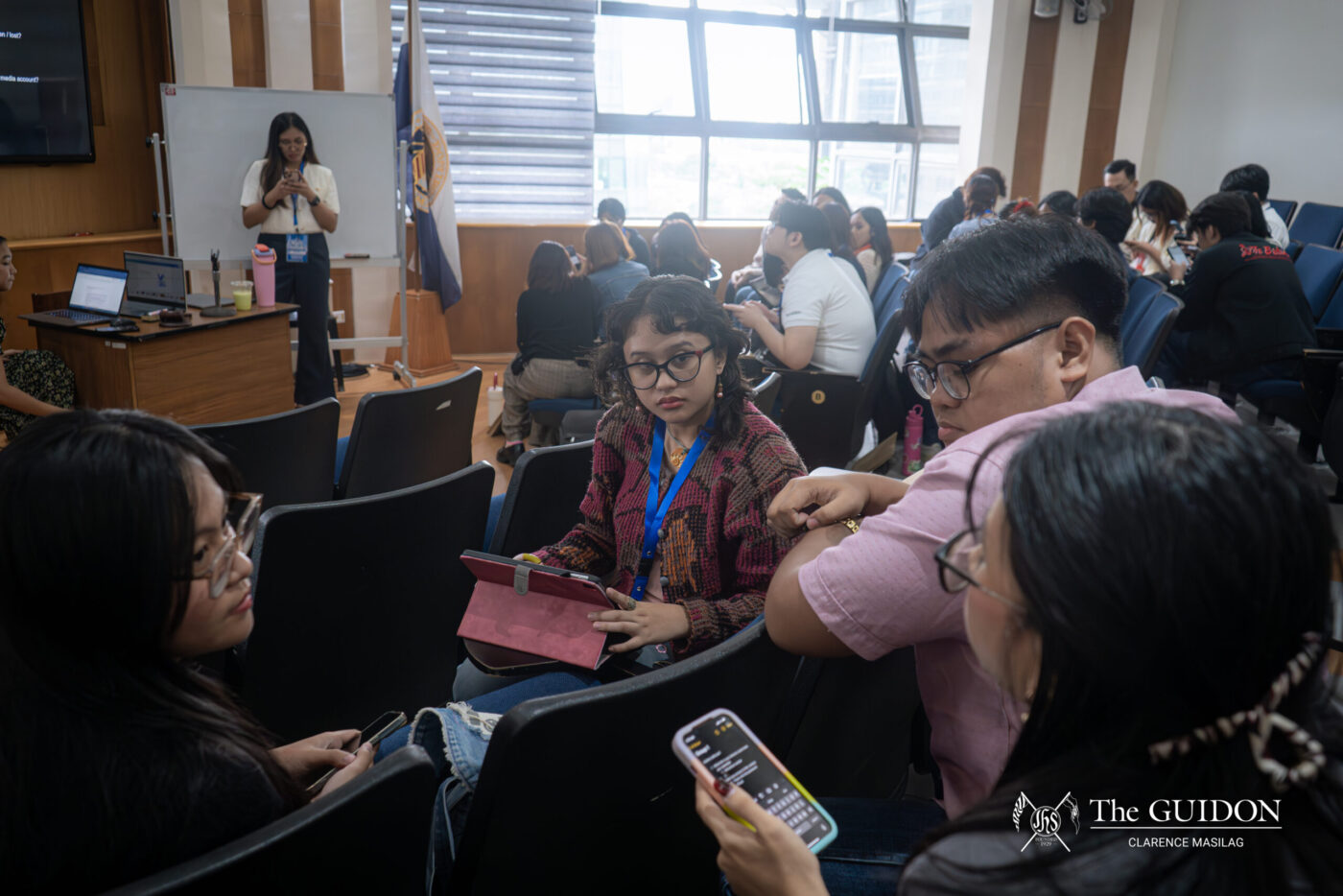
For one, Union of Journalists of the Philippines representative Allyana Barquira mentioned how the summit allowed participants to ground themselves in their personal advocacies, such as press freedom.
With this, she called for the passage of the Campus Press Freedom Bill to protect the rights of journalists while allowing them the freedom to become advocates for their personal causes.
Meanwhile, University of the Philippines journalism student Gab Oliva emphasized the responsibilities of campus journalists in continuing the work of journalists who came before them. He also articulated his advocacy toward equal opportunities for campus journalists, particularly hoping to abolish gender disparity in the journalism field.
Identifying areas of improvement for the summit, Oliva suggested conducting thorough background checks on invited speakers and adopting a consultative approach during the workshops. This recommendation comes after his experience in one of the breakout sessions, which he described as “hindi kaaya-aya (unpleasant),” as insights that “should not have been said” were shared.
Moving forward, Arcaina mentioned that the organizers envision future iterations of the summit with new sets of formation activities. She also hopes that the primer becomes a foundation for understanding “why and what we want to report,” while recognizing the steps to ensure campus journalists’ safety during reporting.
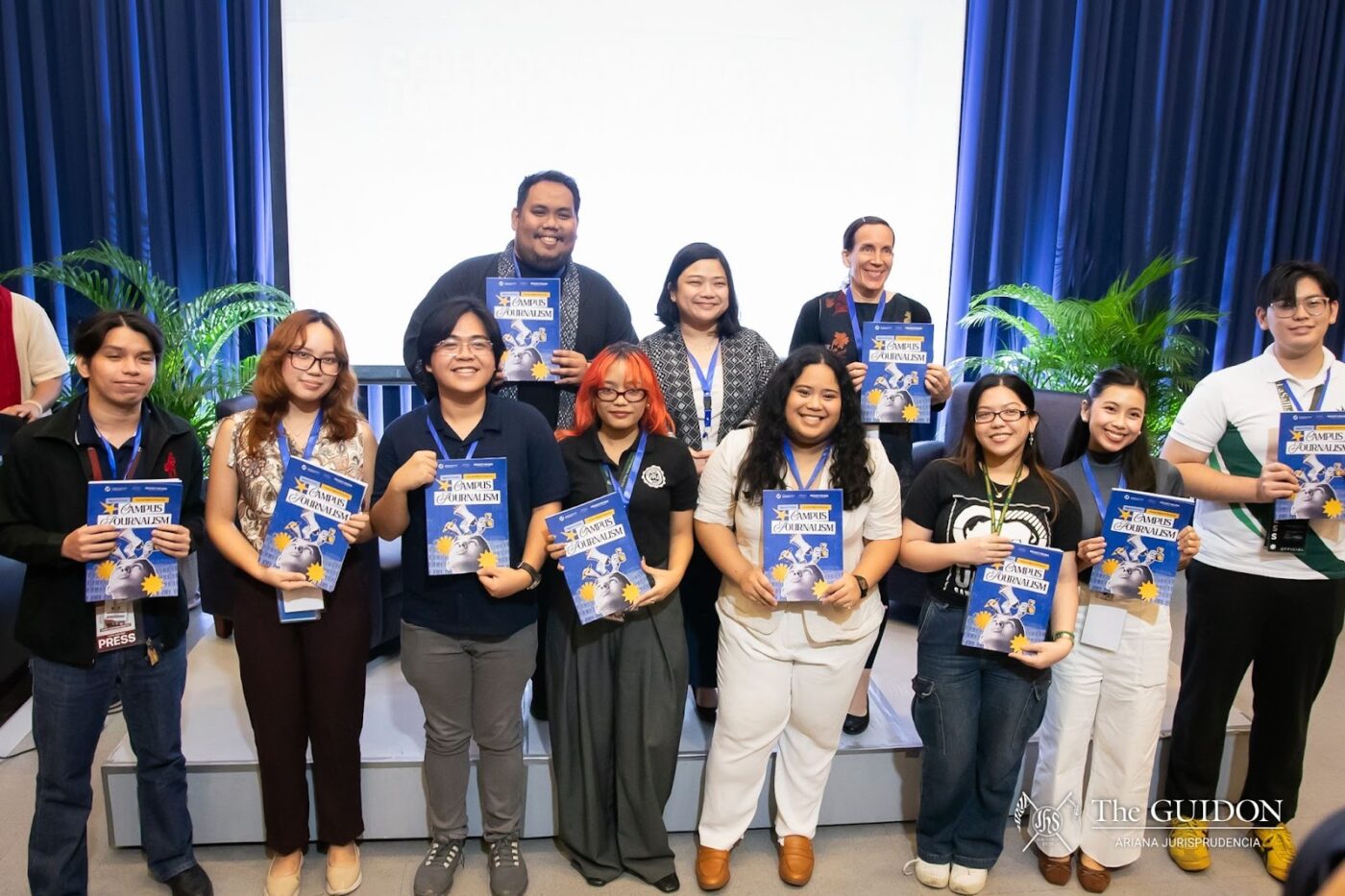
In line with the ARHC’s Project HR Lens, the Human Rights Primer on Campus Journalism was developed from a baseline survey conducted with eight partner organizations, including The GUIDON, The Advocate, Philippine Collegian, The Benildean, The Bedan, The Lasallian, The Varsitarian, and Tinig ng Plaridel.
Notably, the primer delves into key dimensions of human rights reporting, such as press freedom, freedom of expression, human rights sensitivity, and the role of campus journalism in today’s landscape.
Beyond the summit, Arcaina shared that AHRC sees the initiative as a start for the youth’s active participation in the formation of human rights journalism, encouraging them to be “truth-tellers.” She also hopes for the campus journalists to continue shedding light on the marginalized and their stories.