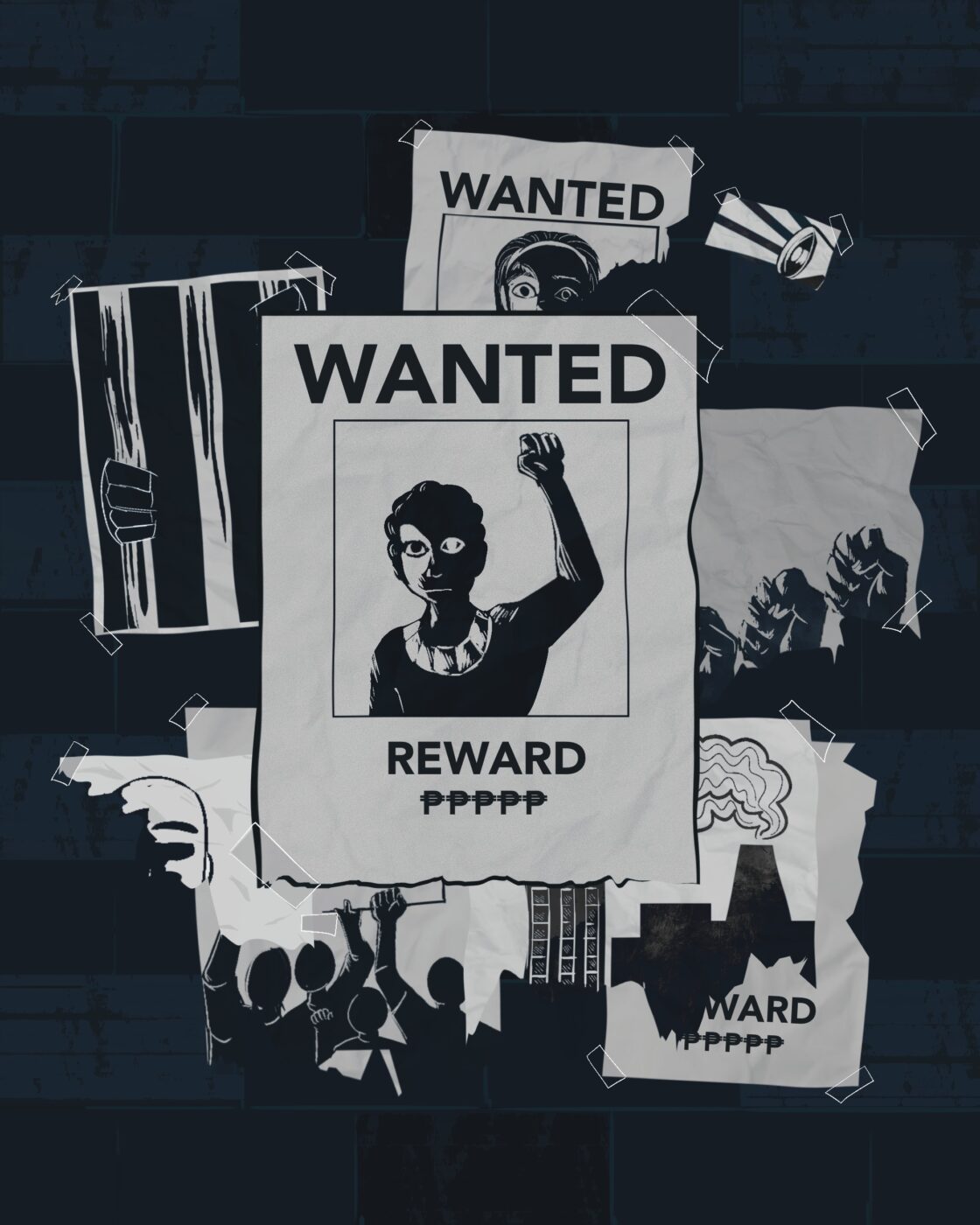
ACROSS RURAL communities and urban workplaces alike, grassroots organizers are finding that advocacy is now at risk of being treated as a criminal act.
Section 4, Article III of the 1987 Philippine Constitution enshrines the right to freedom of speech and expression, which is expanded and elaborated by other state pledges such as the ratification of the 1948 Freedom of Association and Protection of the Right to Organise Convention in 1953.
However, the country’s history of violent resistance to corruption and wealth inequality has bred a political climate that routinely brands the youth and government critics as threats to the state.
For example, in 2023, 67-year-old veteran labor organizer Jude Thaddeus Fernandez was gunned down by police in his own home after being accused of terrorism under a false identity. That same year, the Armed Forces of the Philippines (AFP) abducted environmental defenders Jhed Tamano and Jonila Castro. Later, the AFP forced them to sign false affidavits admitting to being rebels, an attack that the Supreme Court and Court of Appeals later confirmed.
Assault is not the only means by which the repression of civil liberties has occurred. A 2024 Workers’ Rights Watch report also recorded widespread anti-union activities, such as the creation of the North Luzon Coca-Cola Beverages Logistics Union, which was allegedly created by the National Task Force to End Local Communist Armed Conflict (NTF-ELCAC) so union meetings can be held in military and police facilities.
In January 2025, terrorism financing charges were filed against six Cagayan Valley activists—a move later denounced by various farmers and rights groups. By June 2025, human rights group Karapatan documented a total of 737 political prisoners across the country, with 164 arrested during the Marcos Jr. administration.
This continued criminalization of grassroots organizing has been prompted by a cultural shift in both social preferences and legal doctrine. For one, the 2020 Anti-Terror Act has drawn condemnation from international organizations, calling it a “setback for human rights” due to its vague definition of “terrorism.”
These legal developments have also been reinforced by citizens’ growing fear of conflict, which has been used to justify greater and more frequent crackdowns on civil society.
Red-tagging has allowed recent administrations to denounce their opposition as potential targets, justifying violent crackdowns. Online platforms such as Facebook have also amplified this practice, with the official NTF-ELCAC Facebook page frequently accusing young activists of being “terrorists” or associates of armed groups.
As several state forces blur the lines between civic engagement and insurgency, the peaceful act of mobilizing for land or livelihood has become grounds for surveillance, harassment, and detention. This coordinated attack on freedom of association and political expression brings to light questions on state obligation—whether this and future administrations will protect only those who are compliant and silent over those who dare to dissent.