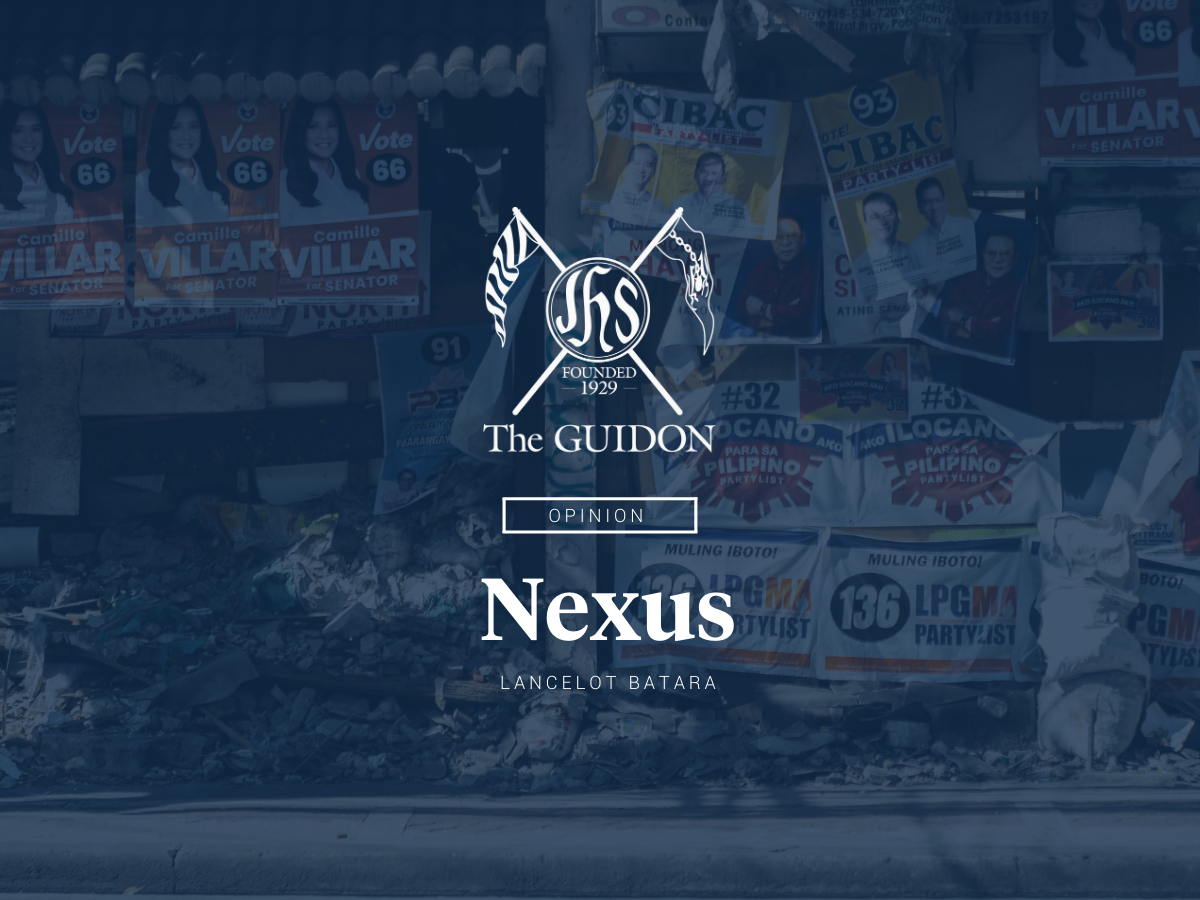
WITH THE 2025 midterm elections fast approaching, the issues surrounding campaigning in the Philippines once again take center stage. Despite legal caps on spending, the staggering costs candidates willingly bear—officially and unofficially—underscore a political economy built less on democratic choice and more on financial muscle.
For its part, the Commission on Elections (COMELEC) sets stringent spending limits intended to level the electoral playing field. Presidential and vice-presidential candidates are legally permitted to spend only 10 pesos per voter. However, in reality, the cap is treated more like a suggestion than a rule.
Take the 2022 presidential elections, for example, where President Ferdinand “Bongbong” Marcos Jr. reportedly spent Php 623 million, the highest recorded individual campaign expenditure in Philippine electoral history. Though technically legal, real costs like ads and ground operations, in general, soared higher—hidden from scrutiny.
The same pattern plays out further down the ballot. Senate candidates often report official campaign expenditures ranging from Php 100–200 million. Yet, these figures pale in comparison to the billions spent on pre-campaign advertisements. For instance, in early 2022, Mark Villar and Joel Villanueva each logged over Php 2 billion on advertising before the official campaign period. Clearly, the legal loophole of premature campaigning gives rich candidates an edge through such efforts that boost visibility.
In local races, the open secret of vote-buying makes the imbalance even worse. Reports suggest that in some towns, vote-buying rates range from Php 500 to Php 5,000 per voter. These under-the-table deals heavily distort election outcomes. A mayoral candidate in a medium-sized town might spend over Php 30 million just on vote-buying, far beyond legal limits.
Recent actions by COMELEC highlight the gravity of this issue. As of May 6, the poll body has sent out more than 200 show-cause orders to various candidates across the country for alleged vote-buying and abuse of state resources. Among those flagged are Marikina’s rival couples—the Quimbos and the Teodoros—and Manila’s three-way mayoral clash among Honey Lacuna, Isko Moreno, and Sam Versoza. These orders force candidates to answer for allegations of handing out cash or goods, often disguised as aid or campaign materials.
However, such actions only reveal a much deeper problem. When elections are bought and sold, democracy is reduced to a marketplace where only the rich can afford to lead. This deeply-ingrained phenomenon locks in political dynasties and shuts out independent voices. Elections thus become confirmations of power, not contests of ideas. Worse, politicians who pour massive funds into campaigns expect returns, which often leads to corruption, patronage, and poor governance.
To effectively address these issues, reforms must go beyond minor tweaks. COMELEC needs stronger enforcement powers and a total modernization of its campaign finance monitoring systems. Premature campaigning must be reclassified as an election offense, with penalties swift enough to deter violations even before election day. Finally, public campaign financing for qualified candidates should be seriously considered to level the playing field, giving every credible contender a fighting chance—not just those with billionaire backers.
The upcoming 2025 elections offer Filipino voters a chance to push for accountability and fairness. Without meaningful reforms, elections will increasingly be determined by wealth, not merit—threatening the very foundation of Philippine democracy.
Lance is an AB Management Economics senior from Ateneo de Manila University. He harnesses his foundation in economics and data analysis toward social advancement, driven by a vision of a world where data-driven decisions pave the way for sustainable and equitable economic development.
Editor’s Note: The views and opinions expressed by the opinion writer do not necessarily state or reflect those of the publication.