AS POLITICAL candidates debate over reforms, the Second Congressional Commission on Education (EDCOM 2) publishes a report highlighting key issues in the teaching sector, from inadequate teacher training to overwhelming administrative burdens.
The strain of workload
The recent report exposes critical flaws within the Philippine education system, shedding light on the mismatched teacher specializations and the heavy workload of public school teachers.
Republic Act No. 11713, or the Excellence in Teacher Education Act, mandates the creation of a Teacher Education Council (TEC) to enhance Philippines education through the providing scholarships and institutionalizing the National Educators’ Academy. Established in 2022, the act aims to strengthen teacher education in the country. Despite this, however, the education system continuously grapples with issues.
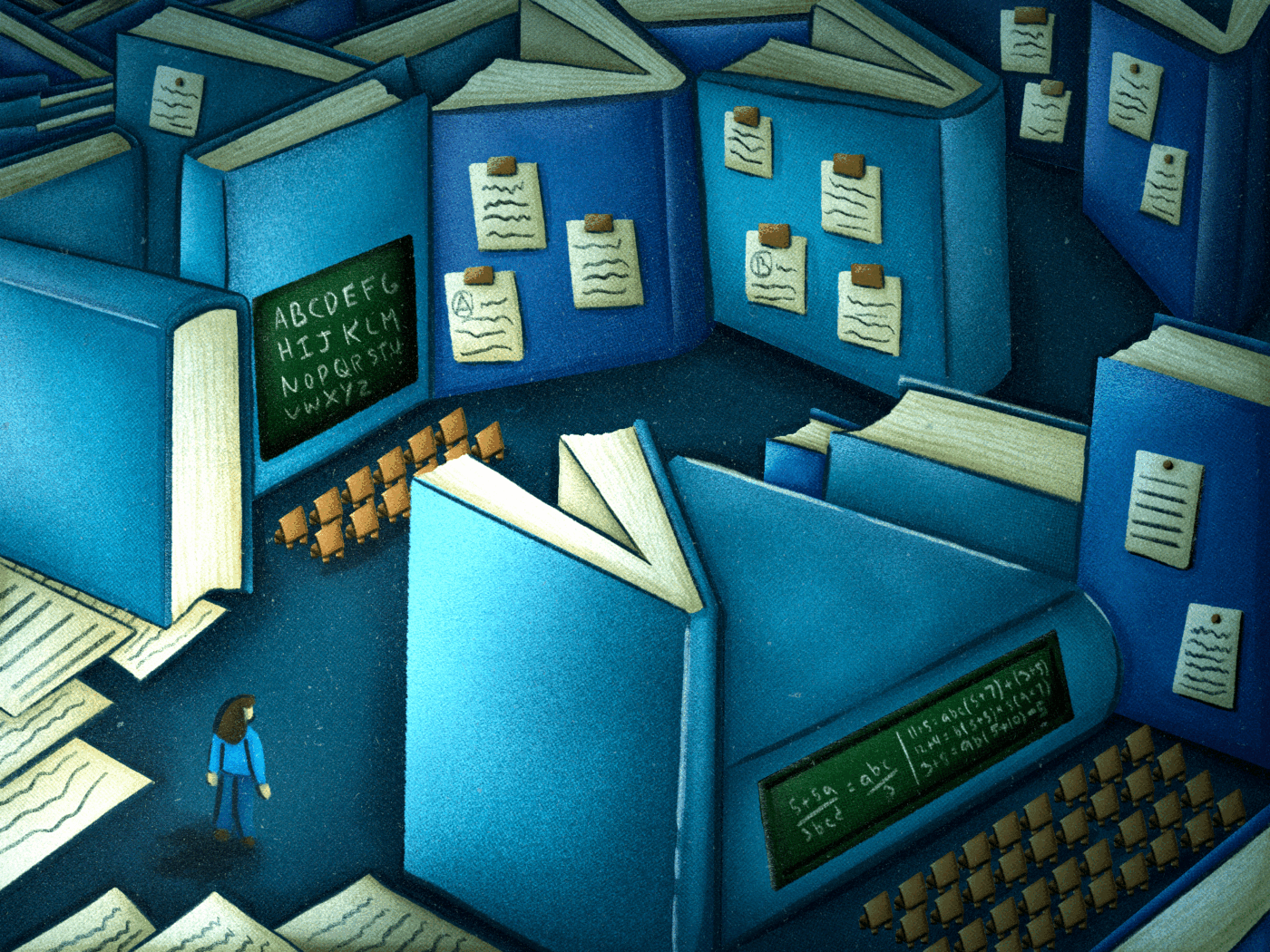
A key finding in the EDCOM 2 report is the excessive administrative burdens that erode Filipino public school teachers’ instructional time, ultimately hindering their ability to teach effectively and compromising student learning.
To address these pressing matters, the Department of Education (DepEd) issued DepEd Order (DO) No. 002, s. 2024 to offload administrative tasks from teachers, and DO No. 005, s. 2024 to establish limits on teacher workload. However, findings from IDinsight and EDCOM 2 indicate that these orders have yet to fully resolve the issue.
In particular, a critical shortage of school staff results in one in four teachers working beyond the legally mandated 40-hour work week—exceeding 60 hours—with many also assuming additional tasks outside their instructional roles.
Aligning with needs
Discussions on the country’s educational reform often emphasize overhauling student curricula to improve literacy and numeracy. However, education experts argue that success in these areas requires revisiting how teachers are trained and supported—both in the classroom and long before they enter it.
David Yu, a public school teacher who participated in EDCOM 2’s consultations on teacher education and training, underscores the need to strengthen both pre- and in-service teacher development.
According to Yu, the persistent learning gaps and dismal results in global assessments—such as the Programme for International Student Assessment and the Trends in International Mathematics and Science Study—reflect the systemic failure to equip teachers with necessary pedagogical skills and adaptive strategies demanded by the learner-centered K-12 curriculum.
This gap between teacher training and target learning competencies stems from broader structural issues within teacher development. Professor Jennie Jocson, a member of EDCOM 2’s committee on teacher education, stresses that the perceived underperformance of teachers results from a systemic misalignment across the institutions responsible for their training.
While some teacher education institutions provide strong academic and pedagogical foundations, others fall short of meeting national standards in the Philippine Professional Standards for Teachers, leading to uneven readiness among graduates.
“What is commonly overlooked is how this misalignment between the teachers’ competencies and the needs of the basic education sector has existed even as early as the teachers’ pre-service academic training, or while they are studying in college,” Jocson explains.
To address this issue, EDCOM 2 has proposed revamping the TEC to harmonize the efforts of DepEd, the Commission on Higher Education (CHED), and the Professional Regulation Commission (PRC).
A focal point of EDCOM 2’s report is also the misalignment between training and deployment. Over 60% of public school teachers are currently assigned to teach subjects outside their college specialization. Compounding this mismatch is the weight of non-teaching responsibilities that eat into teachers’ time. These burdens, while often invisible in policy discussions, shape the reality of classrooms and contribute increasingly to every teacher’s burnout.
Building bridges, Empowering agents
Recognizing the need for an education system that adapts to changing demands, TEC’s recommendation to modernize preservice education is crucial, encompassing the reinforcement of early childhood education programs and the alignment of teacher specializations.
Complementing these efforts, CHED and PRC signed a memorandum that restructures the teacher licensure exam to match preservice training. This new exam will specialize tests for the subjects in primary and secondary education. Meanwhile, DepED announced a policy reducing the number of school forms required from teachers by 57%.
These moves—though still a work in progress—mark a critical shift in how the state envisions teacher development, pointing to a crucial recognition that quality education begins with well-supported teachers. Thus, the real challenge lies in sustaining this momentum and treating teachers as partners in enacting change within the classroom and shaping the future of Philippine education.