AS THE heat index approaches dangerous levels across Metro Manila, schools are grappling with class disruptions and compromised learning spaces. With unsafe levels of heat and poor ventilation in classrooms threatening student health and learning productivity, Higher Education Institutions (HEIs) turn to frequent class suspensions as a short-term fix.
However, in order to truly curb the effects of rising temperatures, HEIs like the Ateneo are challenged to implement sustainable, long-term measures to ensure heat resilience in their learning environments.
Beating the heat
The University Residence Hall (URH) rooms offer varying ventilation conditions, as some rooms have less windows than those in the corner. Although the dorms are equipped with ceiling fans, some student dormers like Ninay* also rely on electric fans to cope with the extreme heat. However, she further notes that these additional appliances come at an added cost.
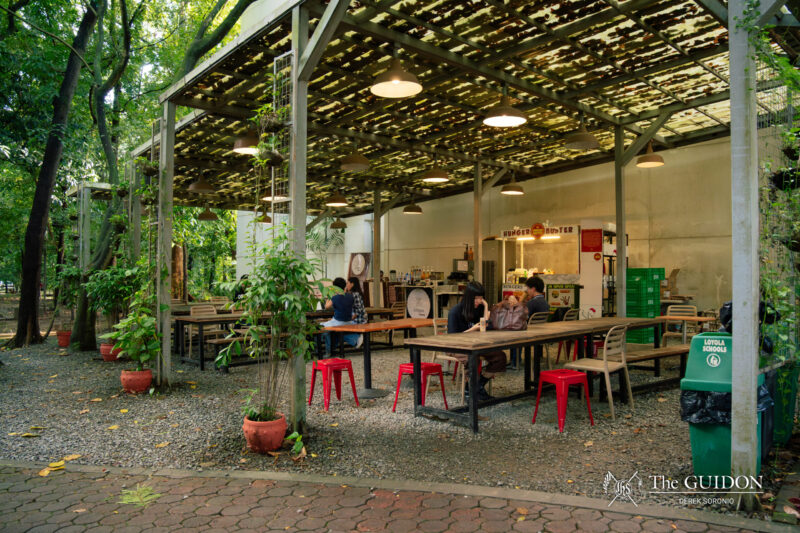
Moreover, while most classrooms in the Ateneo campus have better ventilation, Ninay feels the intense heat while moving from one class to another. Thus, she adjusts her schedule to arrive on campus earlier and stays in cooler areas like the library during peak afternoon heat.
Beyond physical discomfort, high temperatures directly impact health as well by increasing the risks of heatstroke and exacerbating chronic conditions. Ateneo Institute of Sustainability (AIS) Director Emmanuel Delocado, PhD notes that it also affects productivity and performance, causing fatigue.
In response to these risks, Delocado emphasizes that HEIs must properly manage academic productivity, given the heat’s impact. “It’s a balancing act because we can always make the systems work, but we have to be mindful of the challenges [and] opportunities of our way of proceeding,” he expounds.
Calibrating temperatures
With the high heat index becoming a more novel concern for academic institutions, most HEIs have resorted to class suspensions or shifts in modalities as immediate solutions.
However, Ninay expressed concerns over the inconsistency in Ateneo’s approach. While some professors moved their classes online, others continued onsite, causing confusion among students.
To improve communication, the University released a memorandum on class flexibility during extreme weather conditions. Under this directive, instructors were given the discretion to decide on class modality, with class suspension announcements to be made on or before 4:30 AM of the concerned school day.
However, beyond advisories and tips on managing the heat, Ninay observes a lack of concrete measures in addressing the issue, particularly in the URH. She notes how dormers are simply “expected” to find ways to cope with the rising temperatures, given the provided fans and cool water.
With this, Delocado stresses that HEIs must focus on long-term solutions, such as retrofitting buildings to improve wind flow and reduce heat absorption. He highlights that the AIS is currently outlining guidelines for heat resilience under its climate change resilience end state in the Sustainable University Master Plan.
Part of its plans is to upscale green architecture on campus in the medium to long term, ensuring infrastructure resilience and sustainability amid extreme heat conditions.
Echoing the need for more heat-resilient infrastructure, Vice President for Higher Education Maria Luz Vilches, PhD mentions that ventilation will be considered more closely in the future construction of classrooms.
Finding national equilibrium
While these efforts within the Ateneo reflect a proactive stance on addressing heat-related disruptions, they also underscore the need for more responsive government support.
To address concerns of extreme heat, President Ferdinand Marcos Jr. approved plans to gradually revert the Basic Education school calendar back to June-to-March starting AY 2024–2025. However, despite urges for HEIs to follow suit, no similar policies have currently been implemented.
Without clear government mandates, Vilches explains that information from various Ateneo offices need to be gathered before issuing a decision. “Government agencies should also start helping the private HEIs in making its practices and procedures come to fruition for a sustainable future,” Vilches says.
As private institutions continue their efforts in response to the heat and climate change, Delocado highlights the government’s critical role in modeling climate resilience for the private sector.
“Government agencies should promote and enforce green architecture and climate resiliency in public spaces […] By doing that, the government is taking a position to lead by example,” he expounds.
Ultimately, extreme heat threatens more than just health; it also undermines education quality and academic continuity. Hence, without investing in sustainable infrastructure and institutionalizing clear policies, HEIs risk compromising the future of learning and student well-being.
*Editor’s Note: The name of the interviewee has been changed to protect their identity and privacy.