

PRECEDING THE upcoming 79th Season of the University Athletic Association of the Philippines (UAAP), several cases of academic ineligibility left gaping holes in both the main roster of the Ateneo Men’s Basketball Team and the pool of reserves from Team Glory Be. The Blue Eagles’ arsenal of power diminishes in ammunition due to the exit of some of the team’s biggest up-and-coming names— Arvin Tolentino, Hubert Cani, Cjay Perez and Jerie Pingoy. This exodus, however, is hardly a one-dimensional story.
The Ateneo is known for its emphasis on academics during recruitment; however, the difficulty of the “student” half of the student-athlete identity is hard to grasp till experienced. It entails a challenge that could result in both mental and physical exhaustion when games and training coincide with lessons and tests.
With professors themselves being the first degree of separation between a passing and failing grade of a student-athlete, the first step in balancing the scales is to lay down a fair set of standards, which College Athletics Office (CAO) director Benjo Afuang espouses.
Contrary to popular opinion, the school’s view is that teachers should not bestow star treatment upon student-athletes, but instead grant them the same chance that the average student receives in order to complete requirements. According to the academic rights of the Magna Carta of Undergraduate Student Rights, no special favors should be given, but the faculty should give them make-up opportunity while they perform their duty to the school.
English instructor Miguel Lizada harbors a similar view regarding academic policy. “I like to think there is special consideration, but it’s not in terms of grade adjustment,” shares Lizada. “[It is] in terms of special consideration to accommodate their schedule.”
“The ideal professor treats athletes all the same,” says Afuang. “We just want to give them a fighting chance.”
For Lizada, a student missing a lecture for a game may be allowed to attend one of his earlier classes to avoid being marked absent. Aside from having teachers who accommodate the athletes’ busy schedules, the CAO gives the athletes an opportunity to revise their schedules by load revision in order to help the athlete balance academic and athletic responsibilities.
Business Statistics instructor Patrick Valentin also respects the academic rights of the student-athletes in terms of schedule. Agreeing that fair treatment is necessary, he takes measures to ensure that all his students—student-athlete or not—are able to cope up with the course requirements. Valentin gives quizzes every day but divides the total by a certain score. “So if they miss a class, walang make-up kasi kaya naman i-pull up sa other quizzes (So if they miss a class, there will be no more make-up because the other quizzes can pull it up),” he shares.
In addition to the accommodating policies in the classroom, Ateneo founded yet another avenue of support in the form of a strict study system, a program that would hopefully provide lasting academic support for the players wearing the colors of the school.
In 2013, the University Athletic Office (UAO) surmounted the challenge of the academic load by mandating attendance in the Study Hall. Varsity members are required to complete four study hours per week— crediting only a maximum of two hours per day— inside a designated room in the Blue Eagle Gym. Student-athletes are obliged to participate in solo or group study inside the Study Hall. However, failure to comply with the set-up results in additional study hours— an attempt to get more athletes to display greater concern for their grades.
Established with the intention of instilling disciplined study habits in an environment of learning, the study hall was met with initial resistance. At present, however, it has produced positive results among a large bulk of the athletic population, proving that progress is possible as long as a student is given a fair chance.
In order to provide third party support, Joe Odoño, along with members from Ateneo Gabay and Ateneo Mathematics Society, reached out to the student-athletes to help them cope with work given in the classroom. Although this program gives more focus to the athletes in the basic and bridging academic programs, this is also offered to exceptional student-athletes who desire to reach Latin honors standing by graduation. This further proves the universality of the academic support programs offered by the UAO and CAO. “If we offer something to an athlete, we offer it all,” explains Afuang.
Despite the programs that uphold the student-athlete’s liberty inside the classroom and on the court, the expulsion due to academic disqualifications has been decreasing, but not completely solved. The university upholds an unwavering policy: The school’s academic standards cannot be changed.
“Nothing is easy in Ateneo, and struggle will always be there,” expresses Afuang, “If academics were easy here, then everyone would be here, so it’s a standard that we have to live up to.”
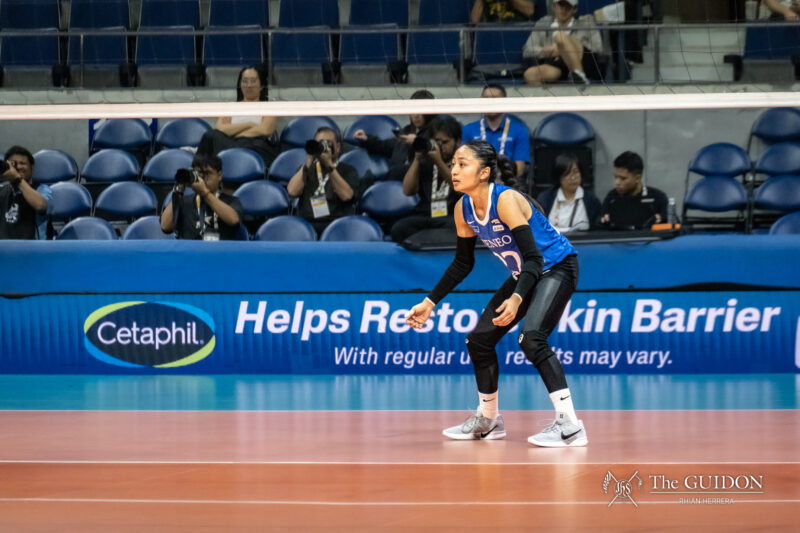
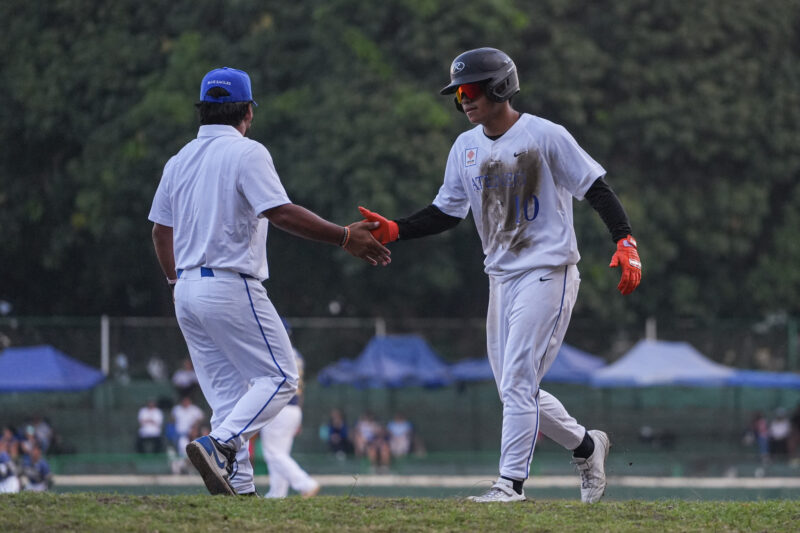
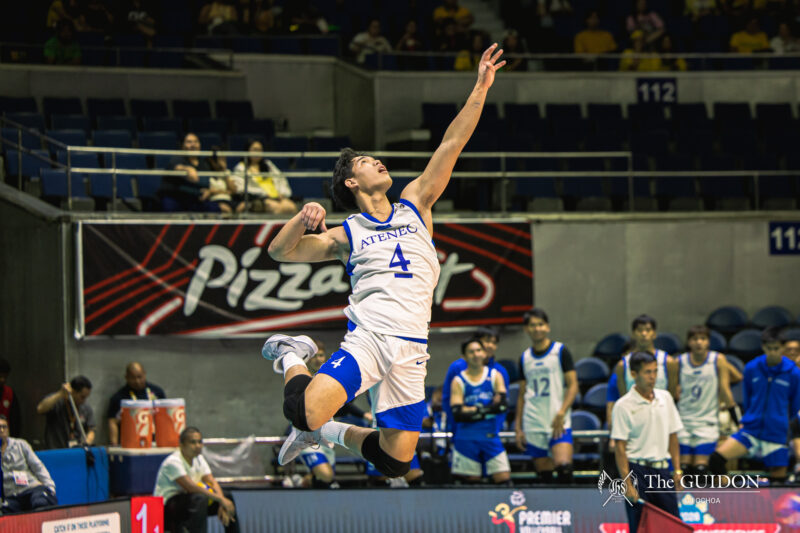

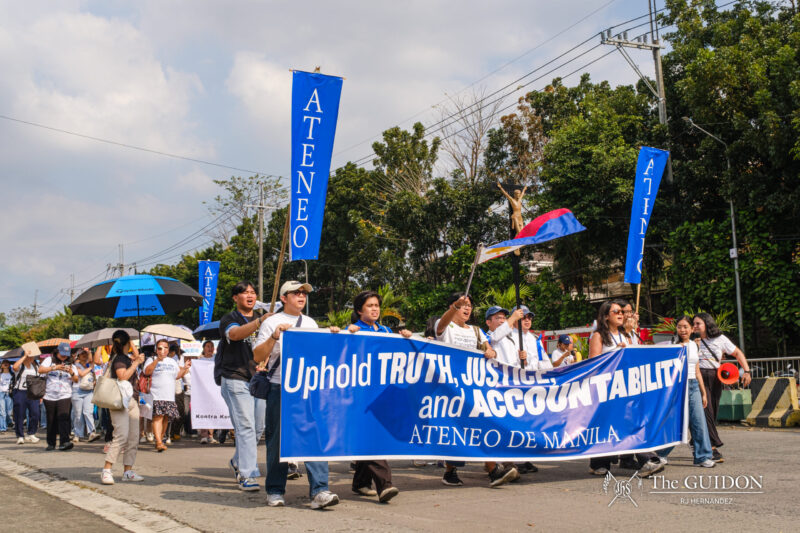
Ateneo’s stringent academic standards are bordering on preposterous. Athletes who spend the bulk of their time training for sports are being held to the same academic standards as regular students with no such commitments. Where is the parity in that?
Athletes sacrifice their time and energy to represent the university and bring honor to the Ateneo name. The least we can do is cut them some slack.