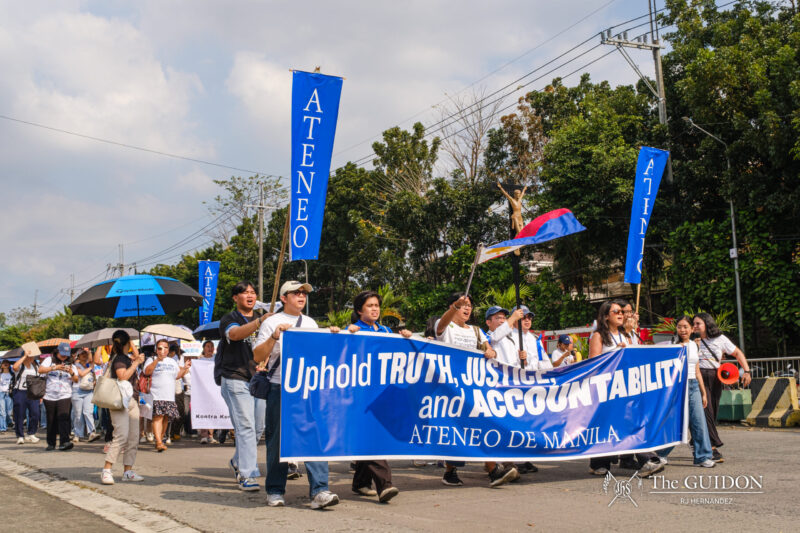
AS THE 2016 national elections come to a close, the Ateneo Task Force (ATF) concludes its operations for the term.
The ATF is the university’s official student mobilization program for the national elections. It is the arm of the Sanggunian that holds programs such as forums, talks, and awareness campaigns on social media pertaining to the said elections.
ATF Moderator Ophalle Pornela and ATF member John Borja, generally assessed the ATF’s efforts as successful due to the many projects that were held to bring about awareness and discourse among the community.
Although Borja believed that there were certain shortcomings with regard to campaign exposure, he remains satisfied that they were able to reach their basic goals.
“I guess the main concerns would have been our accessibility and reach. But, in a general sense, we were able to have a lot of projects, and I’m happy that we have touched all our bases,” he said.
Efforts to mobilize
The ATF was able to hold many successful programs throughout the year that the Loyola Schools community was welcome to attend. Some of the most notable ones include Kwentuhang Bayan, Beat the Odds, Collect and Select, and the mock elections.
Borja recalls Kwentuhang Bayan, a volunteering program held for the duration of January, as the best project facilitated by the ATF due to its being a voter’s education project.
“It aimed to bring the discourse to the people and be inclusive of all sectors ranging from the [Persons with Disabilities] to the indigenous people,” he said.
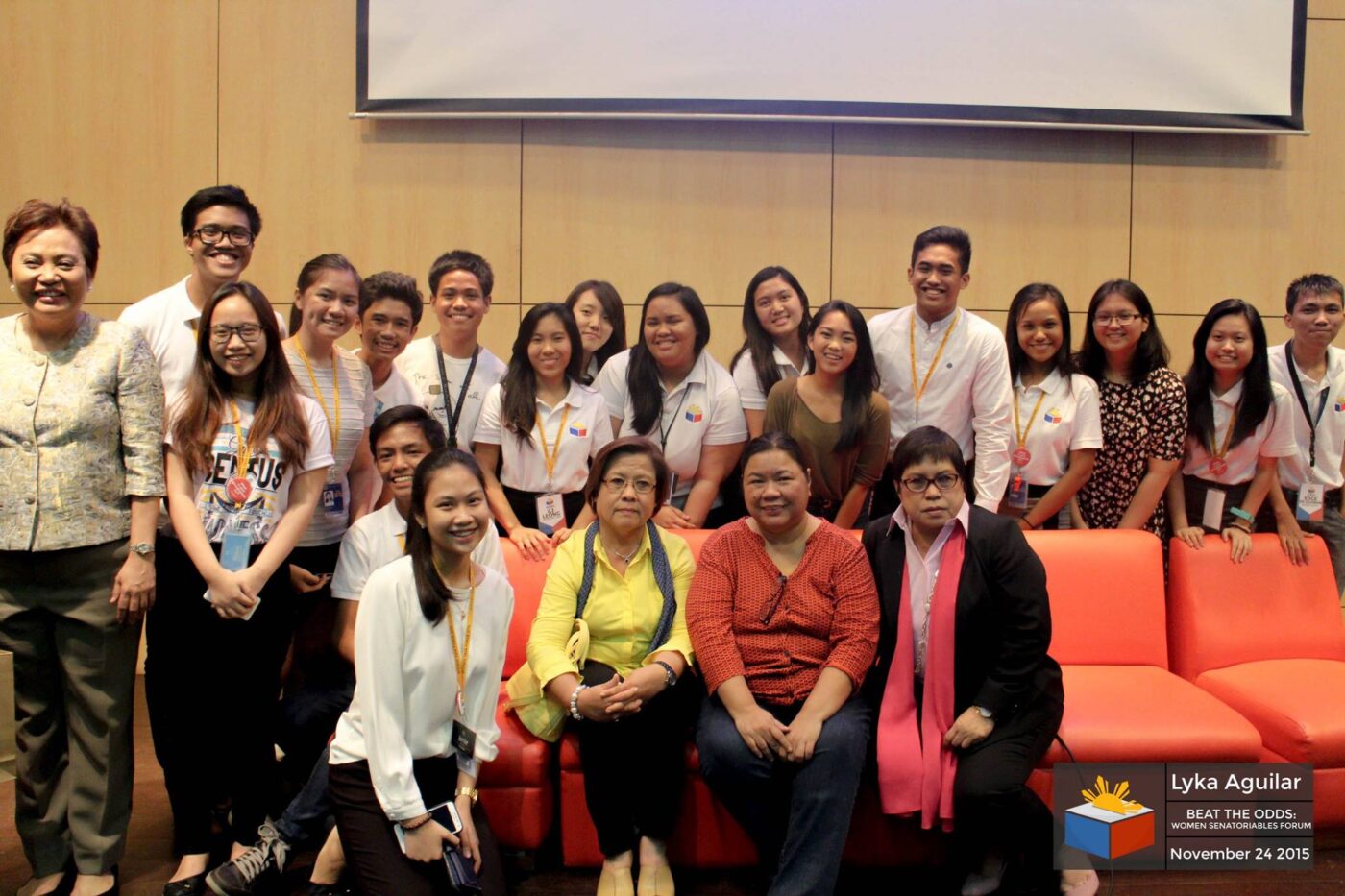
On the other hand, economics freshman Ian Mallillin praised the “Beat the Odds: Women Senatoriables Forum” for its ability to bring about focus group discussions with the large number of Ateneans who attended the event.
“Involvement-wise, hindi talaga sila nagkulang. The ATF was able to invite six possible senators to discuss various issues and the attendance was outstanding (Involvement-wise, ATF wasn’t lacking. The ATF was able to invite six possible senators to discuss various issues and the attendance was outstanding),” he said.
Moreover, Pornela praised the Collect and Select program on social media that not only allowed students to voice out their opinions, but allowed members of the Ateneo faculty and staff to do so as well.
“I liked [Collect and Select] because you get to hear the faculty, maintenance, and staff with their political opinions. I think it’s good that it wasn’t only the students who were able to bring about discourse,” she said.
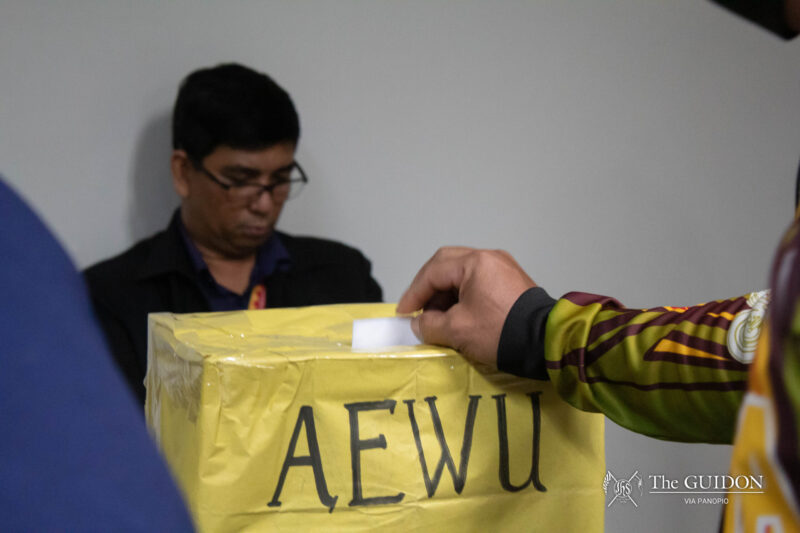
Meanwhile, economics sophomore Ivan Dimaculangan agreed that the mock elections, held on April 4, stood out the most because it was inclusive of students, faculty, and staff of Ateneo.
For him, the mock elections proved the effectiveness of the ATF’s previous projects.
“The mock elections gave us a glimpse on who the student body wants to vote for, which manifests the success of the ATF’s previous events zeroed in on awakening the students’ urgency in the elections,” he said.
Meanwhile, Pornela believed that the result turnout of the mock elections became a catalyst to more discussion on politics.
“The mock elections stood out because it really ensued the discourse that we teachers want to hear from the students. It became a way for the students to discuss their concerns, and they learned to defend their chosen candidates to other people,” she said.
Shortcomings encountered
Despite the many efforts that the ATF was able to provide the Atenean community, several shortcomings compromised their full potential to be recognized by the community.
Borja believes that the reach of some projects had not been appealing enough to invoke the community to attend some events around the time that the elections were not as urgent.
“When it came to our efforts, we did all we could. We just had problems reaching out at making them appeal earlier on. This is probably because around the first semester, people were quite apathetic at the time,” he said.
“People started caring more around March, with all the explosiveness and issues in the news,” Borja added.
On the other hand, Mallillin thinks that more information should have been released to make the community more engaged in discussing political issues.
“I think the promotional materials could have been more attractive, and more research on the candidates and their specific platforms should have been disclosed. I feel like it would have been better if people were bombarded with information,” he said.
Ready for change
After all the projects on campus and on social media have been held, there is still more to come for Atenean voters as they utilize what they have learned from the ATF.
Mallillin recalls his awareness stemming from the events that took place, and his interaction with the ATF members.
“I feel more prepared because of the forums and events that ATF had for us. The ATF members were also very vocal about politics, so I wasn’t afraid to ask them personally about some things because they were always willing to answer,” he said.
Meanwhile, Dimaculangan thinks that ATF was able to do all it could have done, but the discernment for responsible voting still depends on the students themselves.
“For issues surrounding our leaders, the ATF has raised them all through their campaigns. However, it is still the responsibility of the voter to critically scrutinize every candidate and his platform because ATF is only here to guide, and not direct,” he said.
Moreover, Borja feels honored to have made a difference on a national level due to his involvement with the ATF.
“There were times that our projects became very challenging, but I can say it paid off. Kahit na university level lang ang context ng ATF, alam kong may na-contribute din ako para sa bansa (There were times that our projects became very challenging, but I can say it paid off. Even though the ATF’s context was only on a university level, I know that I was also able to contribute something to the country),” he said.