The Way We Do It
abueno@theguidon.com
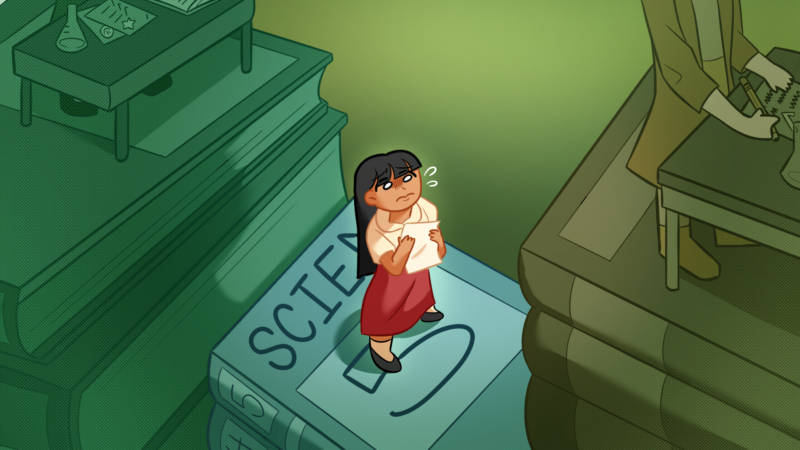
No story is worth a life. That I learned in investigative journalism class. While many brave reporters will run towards the scene of a crime, for example, instead of away from it, my professor firmly set the limit, and repeated this lesson to us like a mantra: no story is worth dying for, no story is worth dying for. Do your job, but when you imperil yourself, get out of there. After all, there will always be other ways to source news that are not as dangerous.
On November 23, 30 journalists rode to Shariff Aguak in Maguindanao with the Mangudadatus, never fearing for anything, never imagining that doing their job will cost them exactly what my professor told us never to sacrifice: their lives. So was this story—the violent clan rivalry in Mindanao—ever worth the 30 journalists’ lives?
I could go with my journalism professor and say no. The victims’ families who now have to deal with their loved one’s loss could never measure up to any story. A son waiting for his father who he hopes will come home will always have more weight than a candidate’s attempt to challenge a long-standing dynasty. One journalist’s life—or let’s say simply a human life—is more important than the need to report, to inform the public, when that human life is in danger.
Or I could say yes: that story, and most importantly, the stories that sprouted in the wake of the deaths, were worth their lives. Here lies their worth, however: if there would be justice for the victims. If arms were taken down. If, instead of responding by Martial Law, the government would use mechanisms that would lessen, and not widen, the capability of those in power to kill, abduct, and abuse more civilians.
I hate to say that the deaths exposed the Ampatuans’ and the government’s twisted loyalties, because that would be equating the tragedy to the greed of these politicians. I don’t want to desecrate the 57 lives lost and treat them as “necessary” sacrifices that would hopefully awaken Filipinos who are still apathetic at this point. To do so would be to tolerate a system that allowed a thing like this to take place. It should never have happened. There should be no story, no job that we should die for, in the first place.
Any person—a human rights lawyer, a journalist, a photographer—should never be put in danger while fulfilling what he does for a living. No matter how idealistic this may sound, this is what is right, what is normal, what is proper according to the tenets of human respect and dignity, something we’ve been sorely lacking lately—or to be precise, since 1986. Since that year, 134 journalists have been killed.
Many journalists and activists have already risked lives while voicing opinions or opposing wicked policies and politicians. I salute them, and admire their bravery. But I do not want to be like them. I do not want to die fighting for my right to practice my vocation. I have decided, like my journalism professor: I will not die for my stories.
I want to live. I want to live and act and see how my fellow Filipinos would change a system that makes it possible for a crime like this to happen. I want to make these deaths matter. I want to live for these people who died, because their story is one we all ought to live, act, and fight for.